Landing pages
6 Landing Page Offers That Convert in 2025 (Tested On 150+ Landing Pages)
Hear from Alex Momeni from ConvertSail, a Replo agency partner, on the 6 tried and true landing page offers that will actually sell for your business in 2025. (PSA: It's not the stuff that's trendy on Twitter this week.)
This article is brought to you by Alex Momeni from ConvertSail, a Replo agency partner. Last updated: 2026-02-19
—
Look, I've seen some stuff in the last two years running my landing page agency.
The good? Landing pages that printed money like they had a secret deal with the mint.
The bad? Campaigns that burned through cash faster than a teenager with their first credit card.
And the ugly? Let's just say some layouts should come with a warning label.
Here's the deal - everyone's out here trying to reinvent the wheel. New landing page builders dropping every week, AI tools promising to write copy that'll make Shakespeare jealous, and layouts that look like they're trying to win a design award instead of, you know... actually sell stuff.
But after building landing pages for pretty much every type of ecommerce brand you can think of, I've noticed something funny: the simple stuff just works. Always has, probably always will.
I'm not just talking out of my hat here. I've watched real data from real brands spending real money. I've tested all those "must-have" features everyone swears by. And I've learned that most of it is just noise.
Before I drop these 6 offers that are crushing it in 2025, let me keep it 100 with you: this isn't about jumping on whatever's trending on Money Twitter this week. It's about understanding what makes people click "buy" and giving them a clear path to get there.
So let's skip the fluff and get into creating a landing page that actually working right now...
#1: Quantity Breaks (AKA "Buy More, Save More, But Make It Stick")
Look, if you're selling something people regularly run out of, this is your bread and butter.
Think about it - your customer is already pulling out their credit card. They already trust you enough to buy. So why not make it a no-brainer to stock up?
Here's the magic: Start with a solid base price, then scale up the savings as they add more to cart. And I'm not talking about some weak "save 5%" nonsense. Make it juicy. Make them think "damn, I'd be losing money NOT grabbing the bigger pack."
Works like a charm for:
- Anything consumable (supplements, coffee, snacks)
- Pet stuff (because your dog isn't going to stop eating)
- Basics people always need more of
- Products where running out is a pain in the ass
Pro tip: Don't just show the discount - show them the per-unit price dropping. When people see they're paying $15 per bottle instead of $25, something clicks in their brain and the higher quantity sells itself.
I've seen this straight up double AOV on supplements and triple it on pet products. No fancy tech, no complicated setups. Just simple psychology that converts.
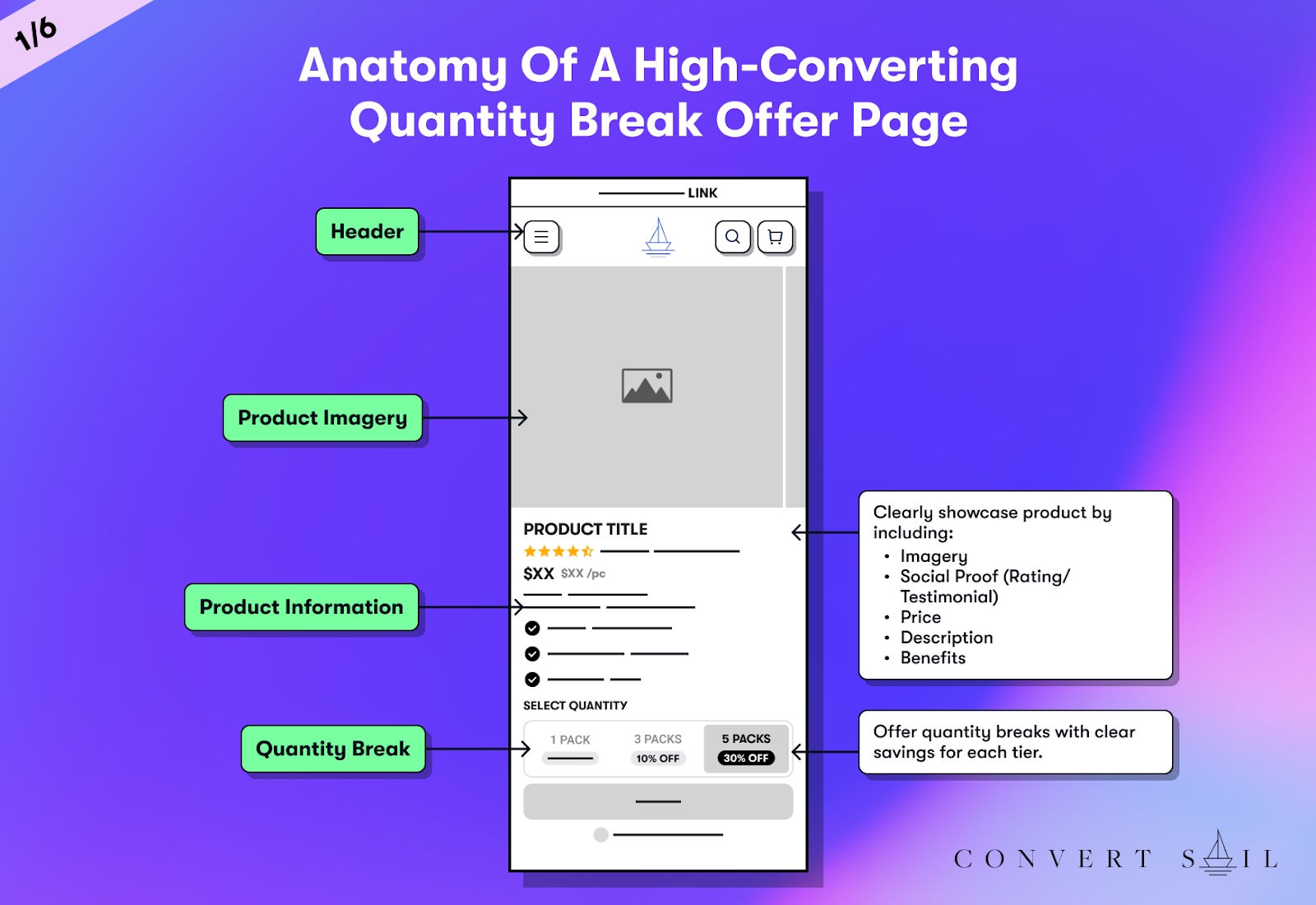
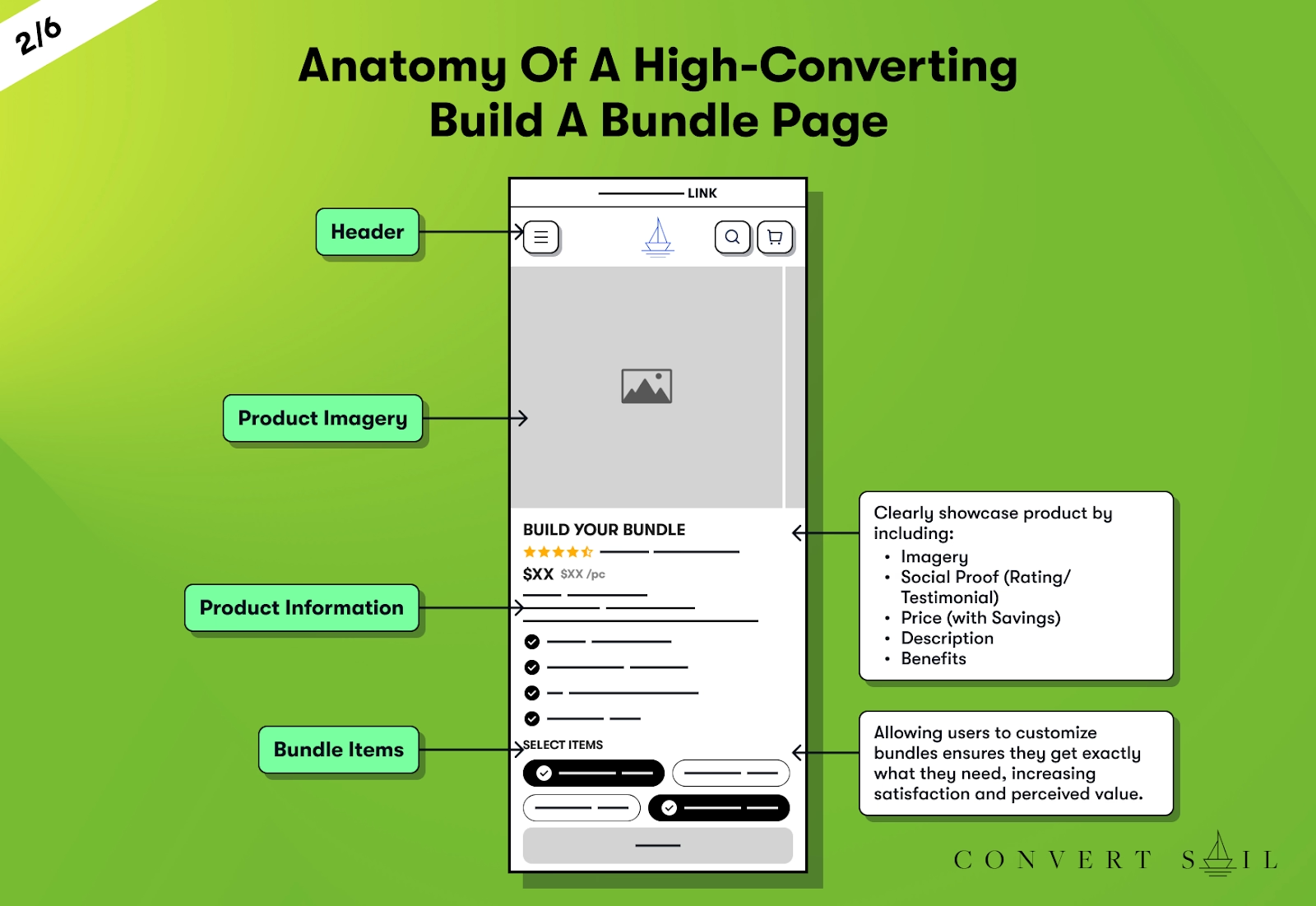
#2: BYOB (Build Your Own Bundle, Not The Other Kind)
This one's like letting your customers be the DJ of their own shopping party.
Instead of forcing them into some preset bundle that's "perfect for everyone" (spoiler: it's not), you let them pick their own adventure. And turns out, when you give people choice + a fat discount, they go nuts for it.
I've watched this absolutely crush it for skincare brands. Why? Because Sarah wants the cleanser + moisturizer but could skip the toner, while Emma's ready to go all in with the 8-step Korean skincare routine. Both walk away happy, and your AOV goes through the roof.
Works like magic for:
- Skincare routines (let them build their perfect regime)
- Wellness stacks (supplements, vitamins, whatever they're into)
- Jewelry & accessories (because matching sets just hit different)
- CPG brands (snacks, drinks, anything people like to mix and match)
FYI the discount needs to be chunky enough to make them add that extra product they were "just thinking about."
And the best part? Once they use everything in their bundle, they're coming back for the whole set again. It's like printing loyal customers.
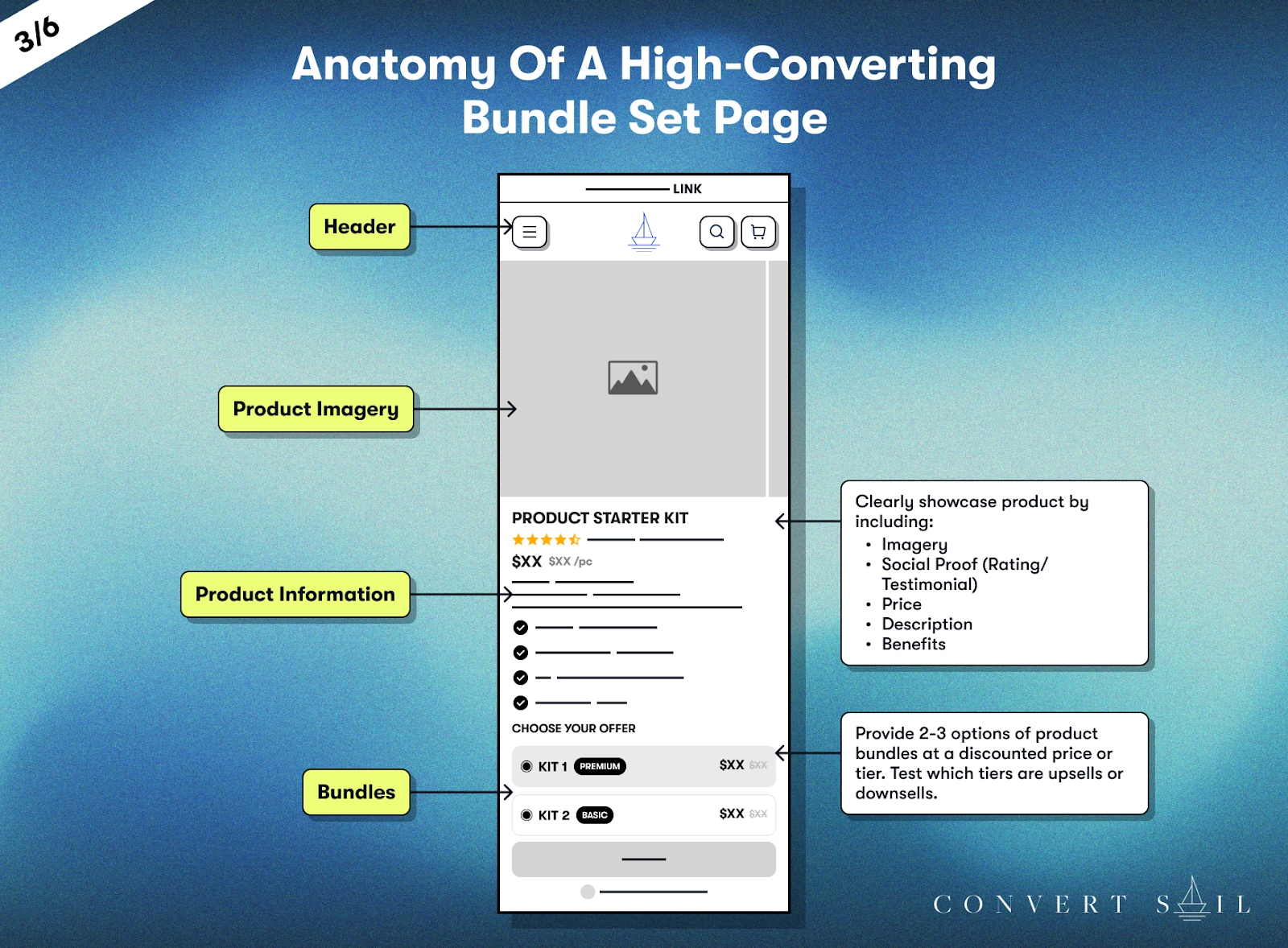
#3: Bundle Sets (The "We Did The Work For You" Special)
This one's for when you want to make your customers' lives easier AND make your best-sellers go supersonic.
Unlike BYOB where customers play mix-and-match, here you're the expert curating their perfect package. It's like being their personal shopper, but instead of awkward fitting room conversations, you're just bundling products that are straight-up made for each other.
Take what Grüns Daily is doing - they're not just selling you greens powder, they're hooking you up with the whole "I'm-actually-gonna-stick-to-my-health-goals-this-time" starter pack. Smart.
Why this hits different:
- Main product + complementary items = "shut up and take my money" vibes
- Multiple tiers = letting customers choose their level of commitment
- Looks way more valuable than the sum of its parts
- Makes decision-making brain-dead simple
I've seen this work stupid well for:
- Coffee brands (machine + beans + filters = coffee snob starter pack)
- Skincare (that full routine they screenshot from TikTok)
- Wellness brands (your core product + all the "nice to haves")
- Clothing (entire fits > single pieces)
Pro tip: Price these bundles so the math clearly shows they're saving at least 20%. But don't just show the savings - spell out everything they're getting. Make that value stack taller than your morning coffee order.
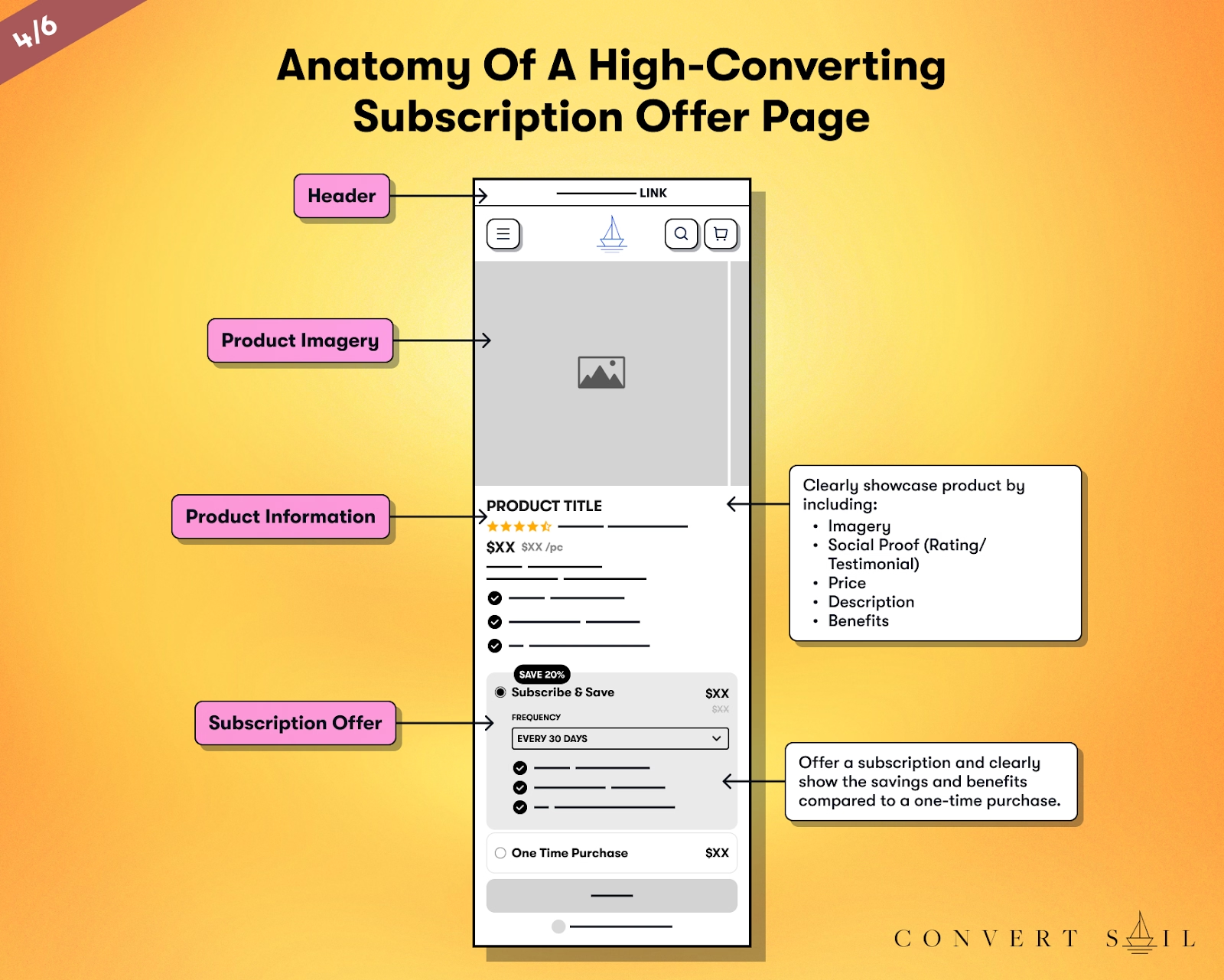
#4: Subscriptions (But Make Them Not Suck)
Let's be real - everyone and their dog is pushing subscriptions these days. But here's the thing: when you do them right, they're literally printing money while your customers thank you for it.
I'm not talking about those sketchy "hide the cancel button" subscriptions that make people trust you less than gas station sushi. I'm talking about the "damn, this actually makes my life easier" kind.
Here's what I've seen work:
- Make it crystal clear how much they're saving (hit 'em with that "Save 20% + Free Shipping" energy)
- Let them control their delivery schedule (monthly, quarterly, whenever they want)
- Make pausing/canceling easier than ordering a pizza
- Show them exactly when their next order ships
- Throw in some subscriber-only perks (early access, exclusive products, whatever makes sense)
This absolutely kills it for:
- Anything that runs out (supplements, skincare, coffee)
- Stuff people need regularly but forget to order
- Products where consistency matters (looking at you, wellness brands)
- Things that are annoying to remember to buy
The secret? Don't just sell a subscription - sell peace of mind. "Never run out of your favorite products" hits different than "save 10% when you subscribe."
Pro tip: Make that first subscribe & save order extra juicy. Like "first box 40% off" juicy. Yeah, you'll eat some margin, but you'll make it back on months 2-infinity.
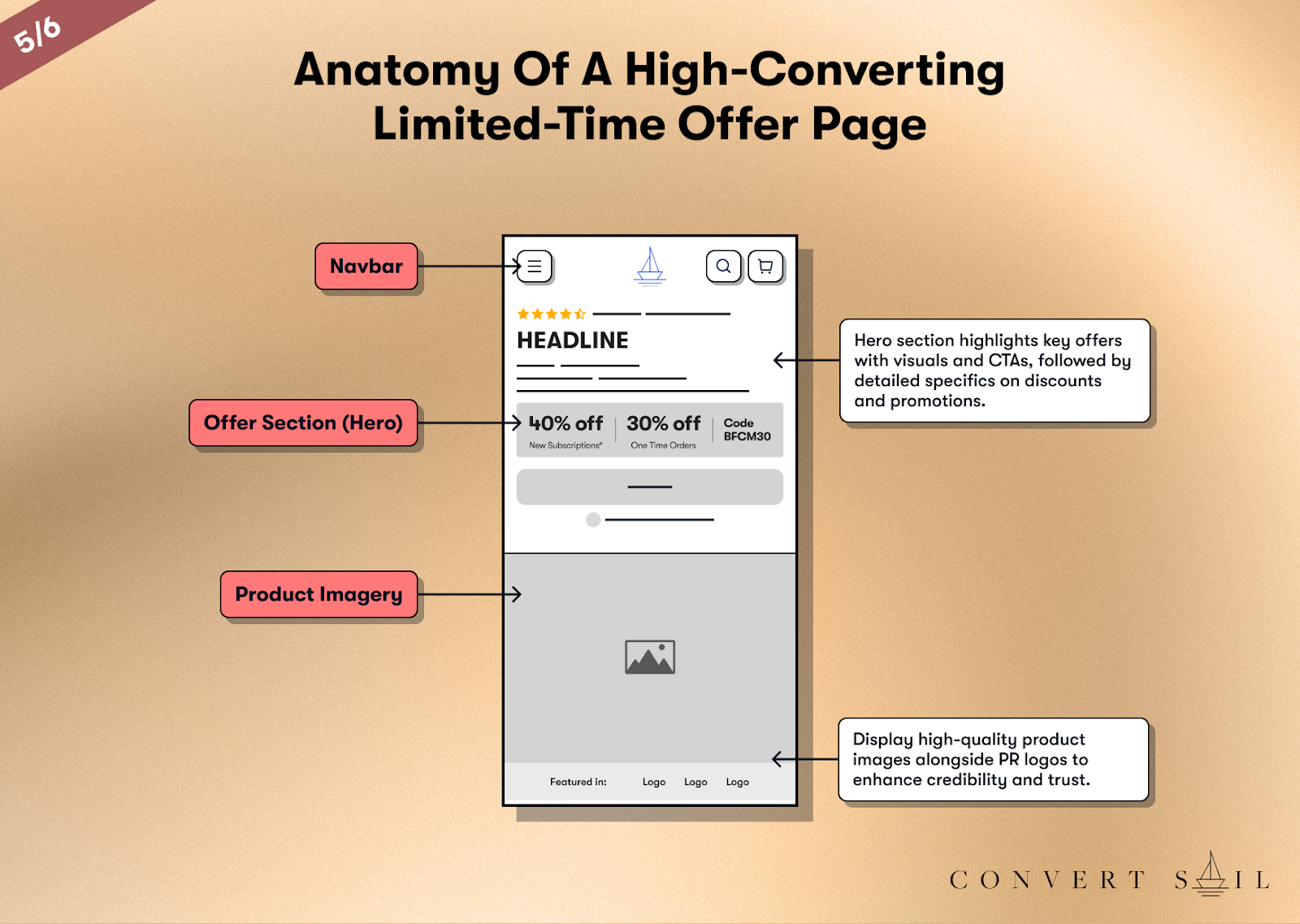
#5: Limited-Time Offers (That Actually Feel Limited)
Alright, let's talk about everyone's favorite conversion hack that's been beaten to death - the limited-time offer. But stick with me, because there's a right way to do this that isn't the "SALE ENDS SOON!" spam your spam folder is full of.
Here's the deal: If you're running "limited-time" offers every other week, you're not creating urgency - you're training your customers to never pay full price. I've watched brands turn into discount junkies - running sale after sale until their customers won't pay full price for anything.
When to actually use this weapon:
- New product launches (build that early momentum)
- Product sunset sales (clear that inventory with style)
- Actually important holidays (not National Paperclip Day)
- When you have a genuinely special offer to drop
The secret sauce? Stack these bad boys:
- Combine with subscription offers ("40% off your first box")
- Mix with quantity breaks ("Buy 3+ and save an extra 15%")
- Add genuine scarcity ("Only 100 launch boxes available")
Pro tip: If you're doing a limited-time offer, make it short enough that people actually feel the FOMO. 24-72 hours max. Anything longer and you're just running a sale (possible exception with BFCM).
And please, for the love of all things holy, when you say it's ending... actually end it. Your customers aren't stupid - they know when you're playing games.
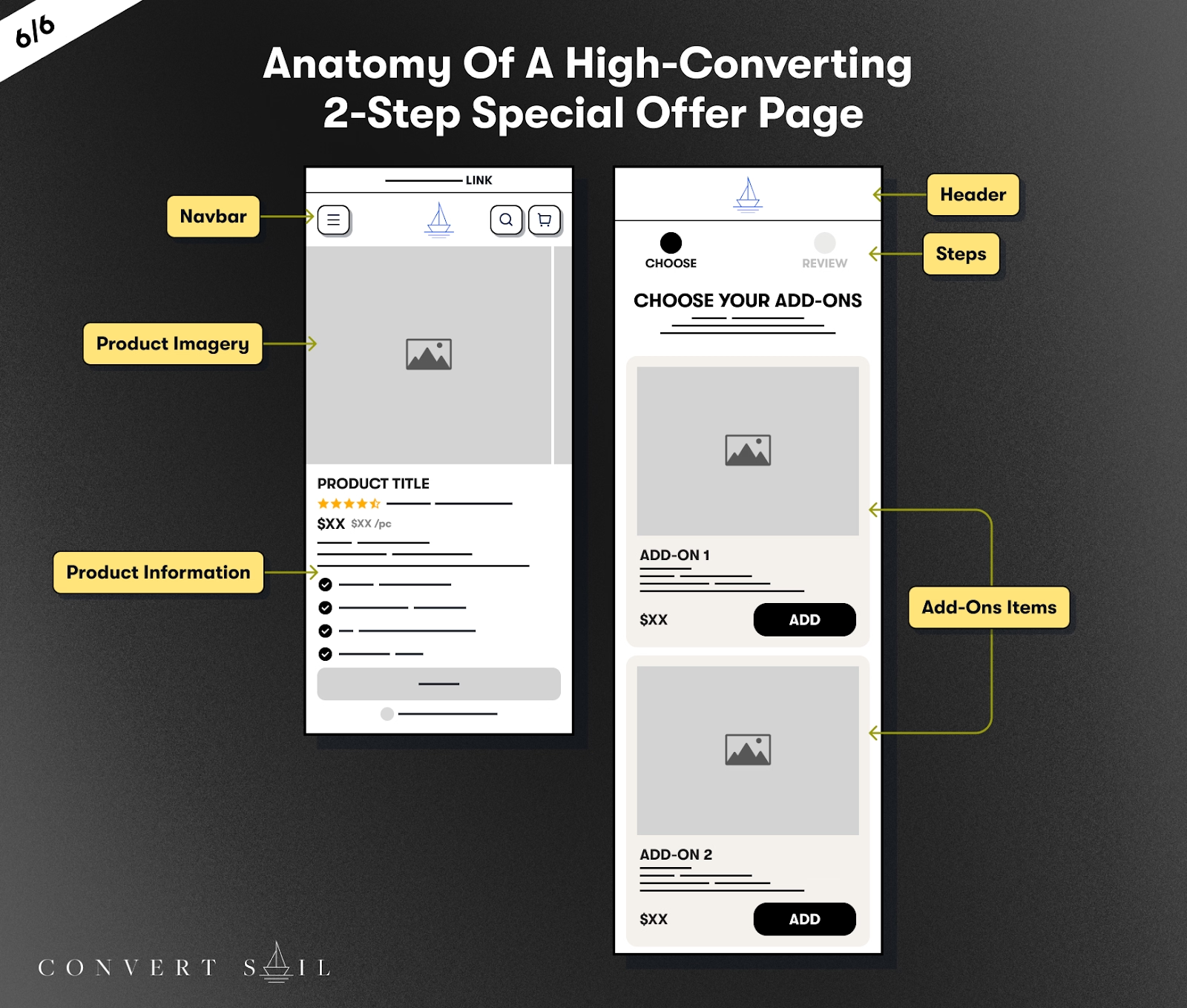
#6: The 2-Step Special (AKA The "Would You Like Fries With That?" But Make It Convert)
Listen, if you're not using a 2-step offer in 2025, you're leaving serious money on the table. JOT Coffee's been crushing this game, and I've got the receipts on why it works so damn well.
Here's the play: Instead of throwing everything at your customer at once like a caffeine fiend, you break it down into two clean steps:
- Get them saying "yes" to your main product
- Hit 'em with the perfect add-ons when they're already in buying mode
Think about it - when someone's already decided to buy your coffee concentrate, they're way more likely to grab that fancy glass carafe or those special filters. It's not sleazy; it's just smart psychology.
I've watched this approach turn:
- $35 coffee orders into $85 coffee stations
- Basic skincare purchases into full-blown spa experiences
- Single product buys into "okay, might as well get the whole setup"
The secret? Keep it STUPID simple:
- First page: One product, one decision
- Second page: Curated add-ons that actually make sense
- Clear value props at each step
- Easy "no thanks" option
Pro tip: Don't get greedy with the add-ons. Pick 2-3 that genuinely improve the experience. I've seen brands throw the kitchen sink at customers on step 2 - trust me, overwhelming them with 10+ products is a quick way to kill the momentum
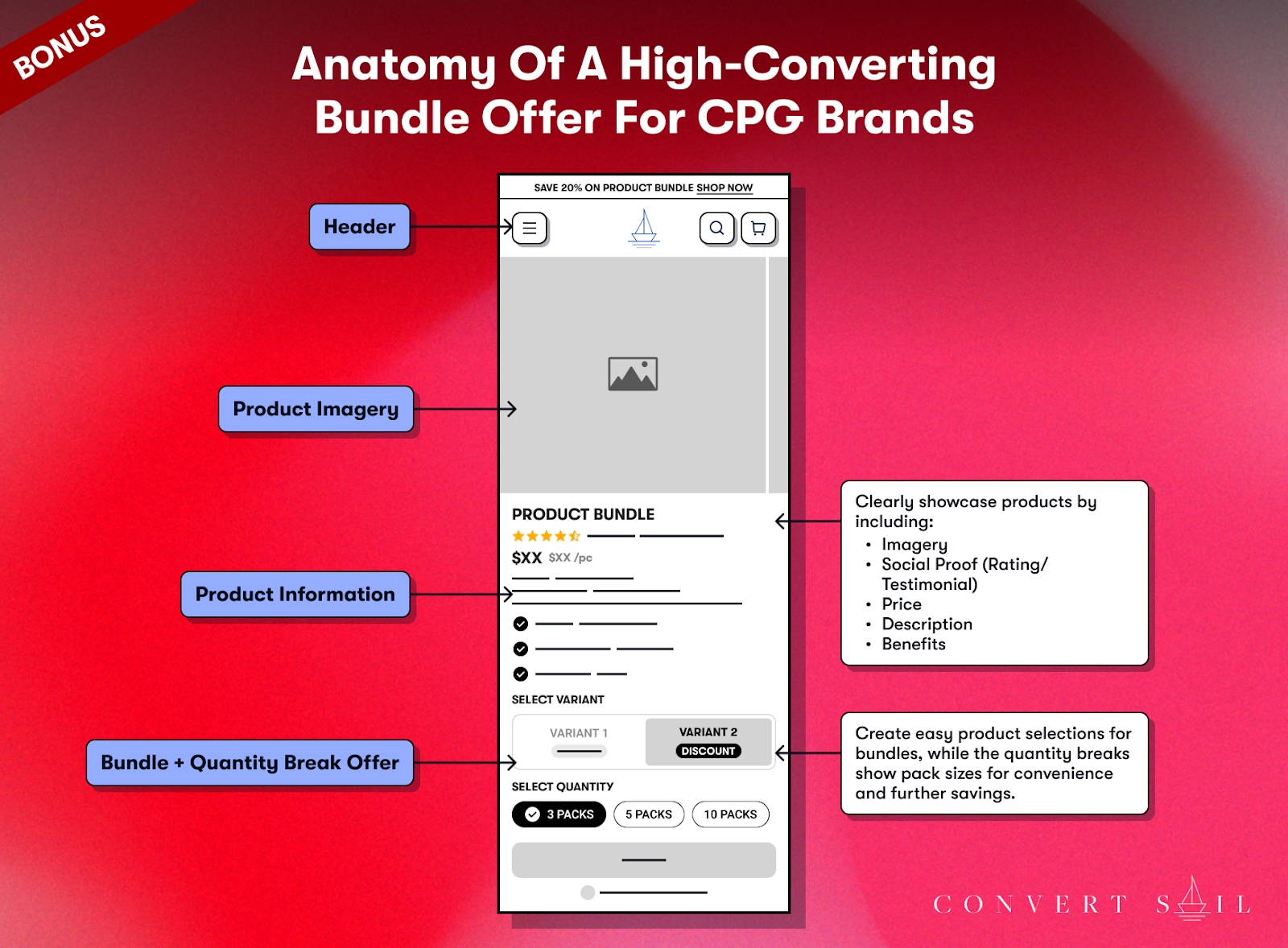
BONUS OFFER: The CPG Special (One More Thing...)
Hold up - before you go, let me put you onto something that's been absolutely killing it for CPG brands.
Here's the cheat code: Stack these offers like pancakes.
I'm talking about taking those bundles we discussed earlier and mashing them up with quantity breaks or subscriptions. It's like the Voltron of ecommerce offers - each part is solid, but together? Straight fire.
Example setups that print money:
- Bundle deal PLUS quantity breaks on that bundle
- Bundle options PLUS subscription option
Pro tip: When you stack offers like this, make the math stupid obvious. Show them the regular price, then the bundle savings, and then the quantity break discount or the subscription savings. Let them watch the price drop like it's a game show reveal.
Remember: Just because you can stack offers doesn't mean you should get complicated. Keep it simple enough that your customer can explain it to their friend without looking at your site.
Look, at the end of the day, this isn't rocket science. It's about making it brain-dead easy for customers to say "hell yes" to your products.
The winning formula in 2025 isn't about fancy animations, AI chatbots, or whatever new shiny tech thing drops next week. It's about nailing these fundamentals:
- Having an offer that actually means something
- Making it crystal clear why it's a no-brainer
- Getting out of your own way with clean, simple execution
I've watched brands burn thousands on complicated tech stacks and "revolutionary" features while ignoring these basics. Don't be those brands.
Test these offers. Mix them up. Find what works for your specific customers. But whatever you do, keep it simple. Because in the noise of modern ecommerce, users are craving simple.
And when you're ready to build these offers? Do yourself a favor and use Replo. We've built 150+ pages with it, and it's hands down the easiest way to get these offers live without wanting to throw your laptop out the window. Trust me, your dev team will thank you.
And hey - if you want to geek out about the details of landing pages or need help implementing any of this stuff, my DMs are open. I'm always down to nerd out about conversions. Let's make 2025 the year you stop leaving money on the table.
–
Alex Momeni Convert SailTwitter/X
P.S. If you found this useful, sharing it with another ecommerce brand owner would make my day. We all win when we help each other level up. And if you want to see how we build these offers in Replo, just hit reply - happy to show you the behind-the-scenes.