How to sell food online
Short answer
Check your state's cottage food law first: it decides what you can make at home, whether you can sell online and how orders reach buyers. Then take orders on your own site or a pre-order tool like Hotplate, with pickup or delivery. Selling across state lines brings FDA rules into play, so check those before shipping.
Two ways to sell, and which is yours
Sell through a pre-order platform
Hotplate runs drops: customers order and pay during a set window, you make exactly what's ordered, and they pick up at the time and place you choose. It's built for chefs, bakers and pop-ups, but buyers order from Hotplate's page, not yours.
Best for
Home bakers and pop-ups selling weekly batches locally.
Sell your own brand from your site
A site on your domain shows your menu, allergens, pickup spots and the label statement your state requires, and keeps every customer's email for the next bake. Replo builds it on your brand, and its checkout takes one-time payments for simple items like a box of cookies.
Best for
Food sellers with regulars, catering clients or a market following.
Where to sell food and what each platform charges
| Platform | Before you sell | Each sale | Worth knowing |
|---|---|---|---|
| Your own site (Replo checkout) | Your Replo plan | 2.9% + $0.30 card processing | Replo checkout runs on Stripe, and Replo's docs list no extra per-sale fee. |
| Hotplate | No monthly fee or setup cost | 2.9% + $0.30 processing; buyers pay Hotplate's fee | Customers pay Hotplate's 5% + $0.55 at checkout unless you choose to cover it. |
| Etsy | $0.20 a listing | 6.5% + 3% + $0.25 processing | Offsite Ads take 15% of sales they bring in, or 12% once you pass $10,000 a year. |
Pre-order tools and marketplaces take a cut but bring order windows and buyers. Your own site keeps more of each box once regulars know where to order.
What you keep on a $24 box of cookies
Each platform's fees on one $24 sale, before shipping, taxes, monthly plans and any ads you choose to buy.
- Your own site (Replo checkout)$23.00 kept, $1.00 in fees
- Hotplate$23.00 kept, $1.00 in fees
- Etsy$21.27 kept, $2.73 in fees
Product pages brands run ads to
Real product pages that brands are sending Meta ads to right now, captured from Replo's ad library, and one thing on each worth copying.
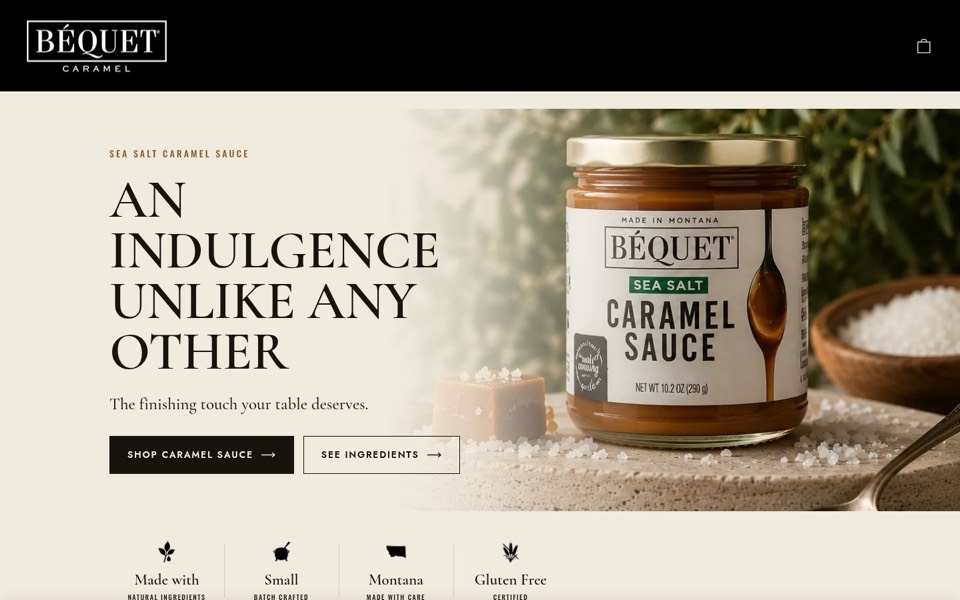
Béquet Confections
Sea Salt Caramel Sauce
37 Meta ads linked here
The ad link opens a landing-style view of the product page: one headline, two buttons, then four trust icons.
See the page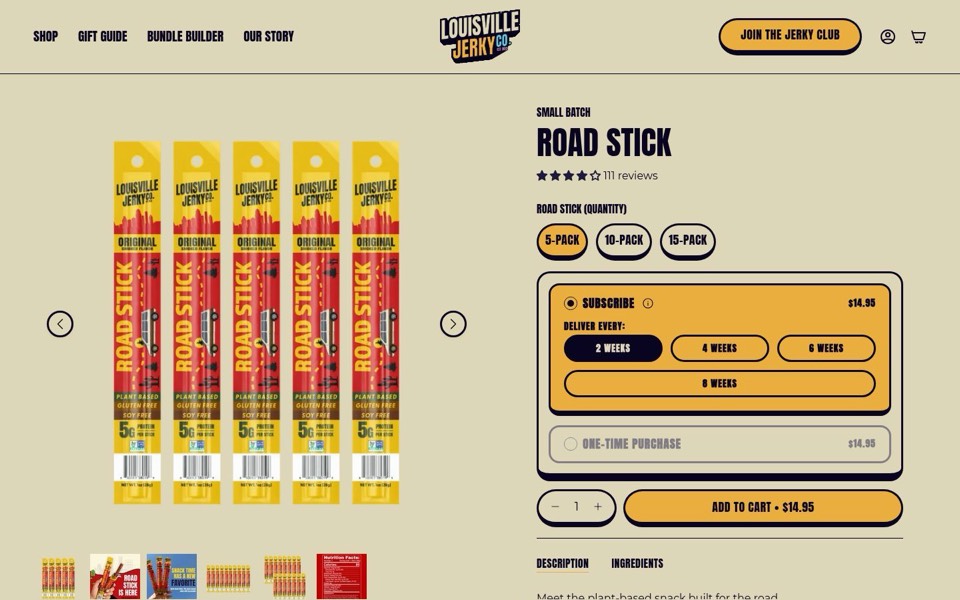
Louisville Vegan Jerky Co.
Road Stick
25 Meta ads linked here
Pack size buttons (5, 10, 15) sit above a subscribe box preset to every 2 weeks, with one-time purchase below.
See the page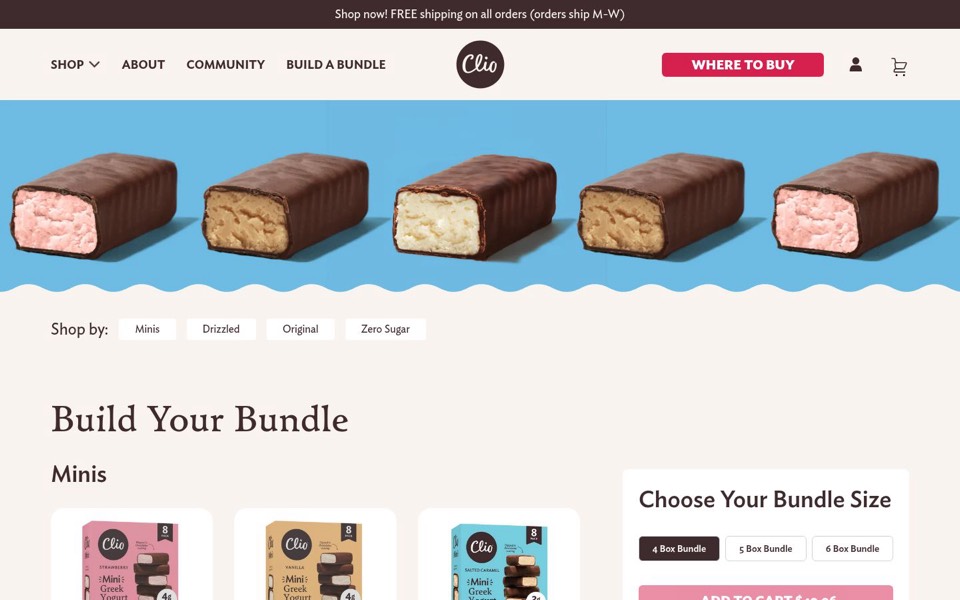
Clio
Build Your Bundle
18 Meta ads linked here
A sticky bundle box lets shoppers pick 4, 5 or 6 boxes while they add flavors from the grid beside it.
See the page
Launch checklist
- Read your state's cottage food page, since online sales, shipping and allowed foods differ by state.
- In Texas, an online cottage food order must be delivered in person by you, an employee or a household member.
- Post your full label information on your website before taking payment, as Texas requires for online orders.
- Label each item with your business name, the food's name, major allergens and your state's home-kitchen statement.
- Finish a food handler course; Texas requires basic food safety training for every cottage food operator.
- Set an order cutoff and pickup windows so you bake exactly what sold and nothing goes to waste.
Build your food business site
Replo builds a site on your brand with your menu, allergen notes, pickup details and checkout for simple one-time orders.
The prompt Replo starts from
Build a website for my home bakery, [business name], in [city]. Include a homepage with this week's menu and prices, a page for each item with ingredients and major allergens, our cottage food label statement, a pickup and delivery section, an about page, reviews, and a custom cake request form that asks for date, servings and flavor.
Frequently asked questions
- Can I make food at home and sell it online?
- Yes, in many states, under cottage food laws, but the rules vary. Texas, for example, allows online cottage food sales only when the operator, an employee or a household member delivers the food in person. Check your own state's cottage food page before you list anything.
- Do you need FDA approval to sell food online?
- No. FDA says a private residence isn't a food facility and doesn't have to register with it. FDA does regulate food sold in interstate commerce, though, and your state and local health department set the rules for home kitchens.
- Do I need an LLC to sell food?
- No. You can sell as a sole proprietor, which the SBA describes as easy to form, but your personal assets aren't separate from the business. An LLC protects you from personal liability in most cases, which matters more once you sell food to strangers.
- What is the easiest food to sell from home?
- It depends on your state's list. Texas now allows any cottage food except meat and poultry, seafood, ice, low-acid canned goods, CBD or THC products and raw milk. Foods that need refrigeration come with extra label rules, so shelf-stable bakes are simpler.
More selling guides
All selling guidesSelling guide
Sell candles online
Warning labels, shipping in heat and fees for selling candles on Etsy, Amazon and more.
Selling guide
Sell handmade items online
Etsy, Amazon Handmade or your own site: each one's handmade rules, fees and safety basics.
Selling guide
Sell on Facebook
Marketplace, groups and Page shops: Facebook's rules for businesses and when to use your site.
Selling guide
Sell on Instagram
Shopping tags or a link in bio: how to turn followers into orders.
Start a business
Start a bakery business
Bake from home under cottage food rules, sell at markets, then scale up.
Start a business
Start a catering business
Rent licensed kitchen hours, price per guest, and book your first small events.
Start a business
Start a coffee business
Choose roasting, a cart or a coffee brand, then sell your first bags locally.