How to calculate your conversion rate
Conversion rate is the share of visits that end in an order. Enter your sessions and orders to get yours, see where it ranks against other stores, and drag to see what a higher rate would bring.
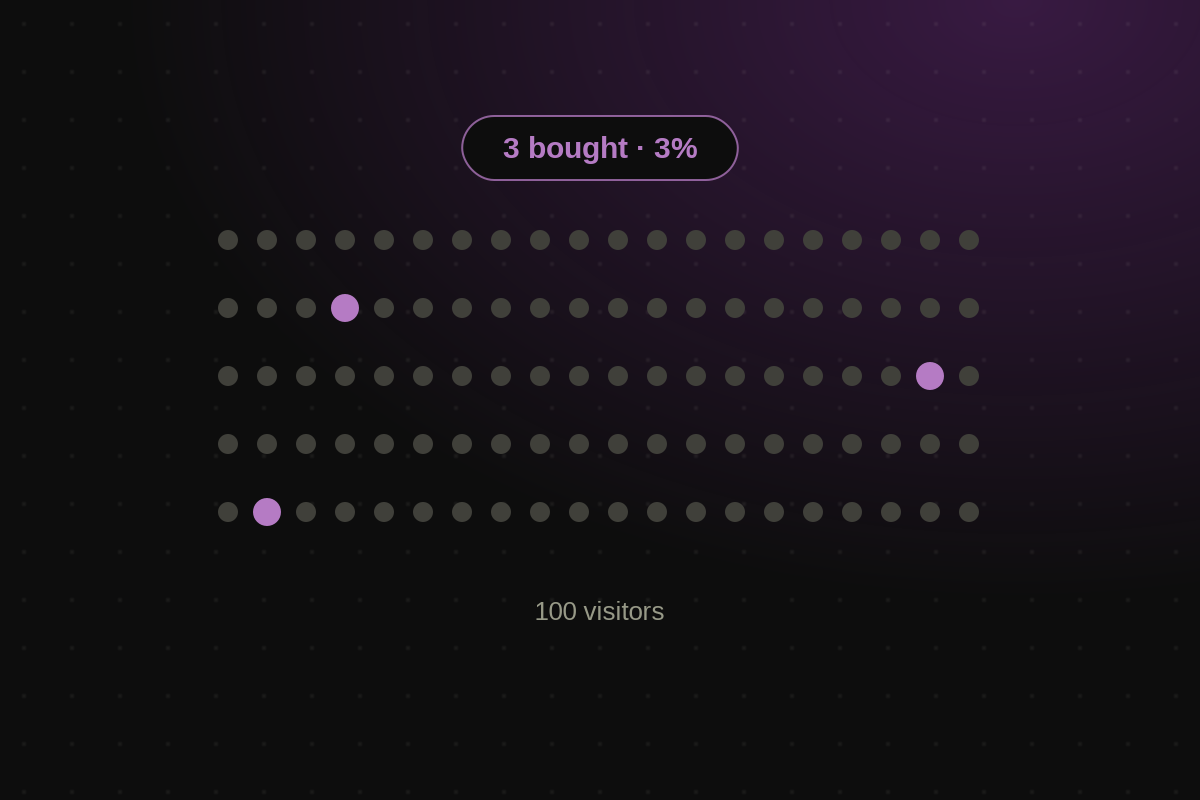
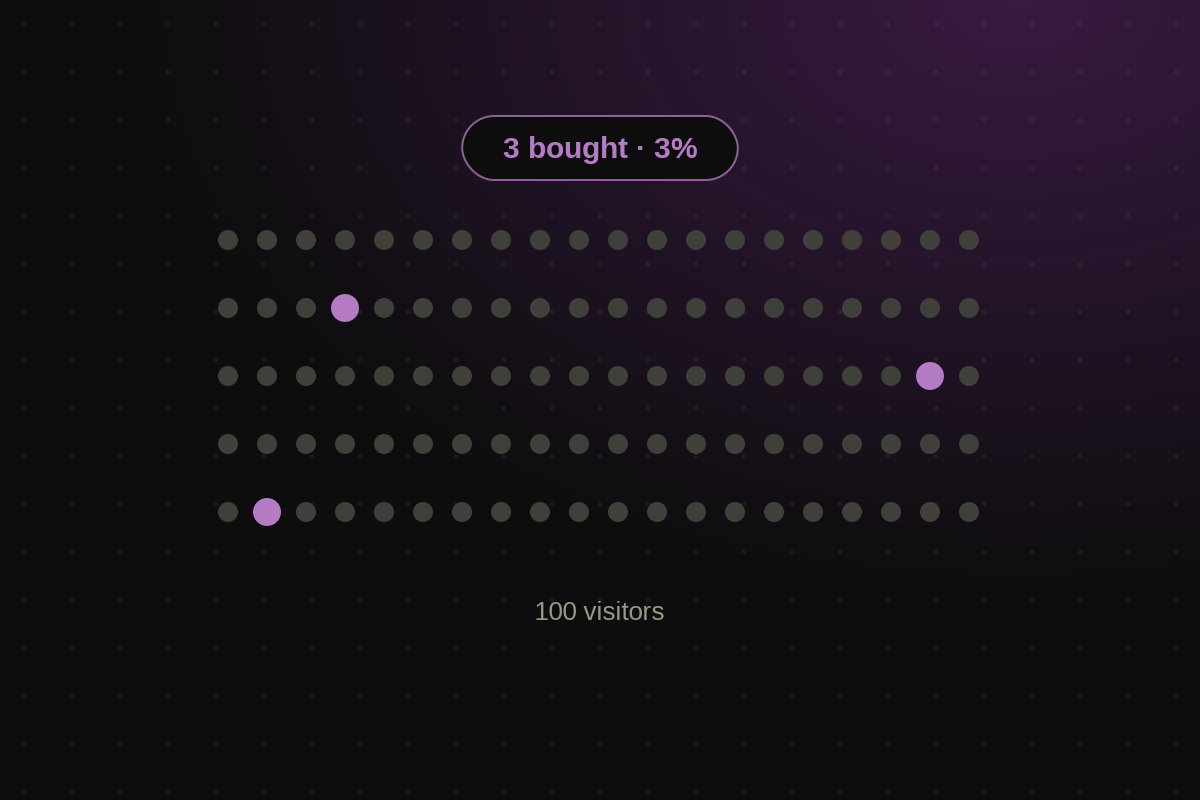
sessionsA session is one visit to your store. A shopper who comes back three times counts as three. Shopify Analytics lists it as Sessions. and ordersCompleted purchases in the same dates as your sessions. Most stores get 2 to 3 orders per 100 sessions. is a conversion rate of 1.50%.
Conversion rate is the share of visits that end in an order: 150 orders from 10,000 visits is 1.5%.
Each bar is a group of stores built on Replo at that number; taller means more stores. The solid green line is you. Drag the dashed handle to try another number.
- You 1.50%
- What if 1.75%: beats 49% of stores
- Median 1.77%, middle half 0.85% to 2.95%
Drag the handle along stores built on Replo
At 1.75%, the same numbers bring +25 orders.
At an average order of What a typical order is worth: revenue divided by orders. It turns the extra orders into dollars., in revenue.
2.66%average online store
Benchmarked against Dynamic Yield's data on 400+ brands.
How to read your number
Your conversion rate is your orders divided by your sessions, times 100: 150 orders from 10,000 sessions is 1.5%. Dynamic Yield puts the average online store at 2.66%, and most stores land between 2% and 3%. If you're below that, find the page where shoppers stop before you buy more traffic.
Why it matters
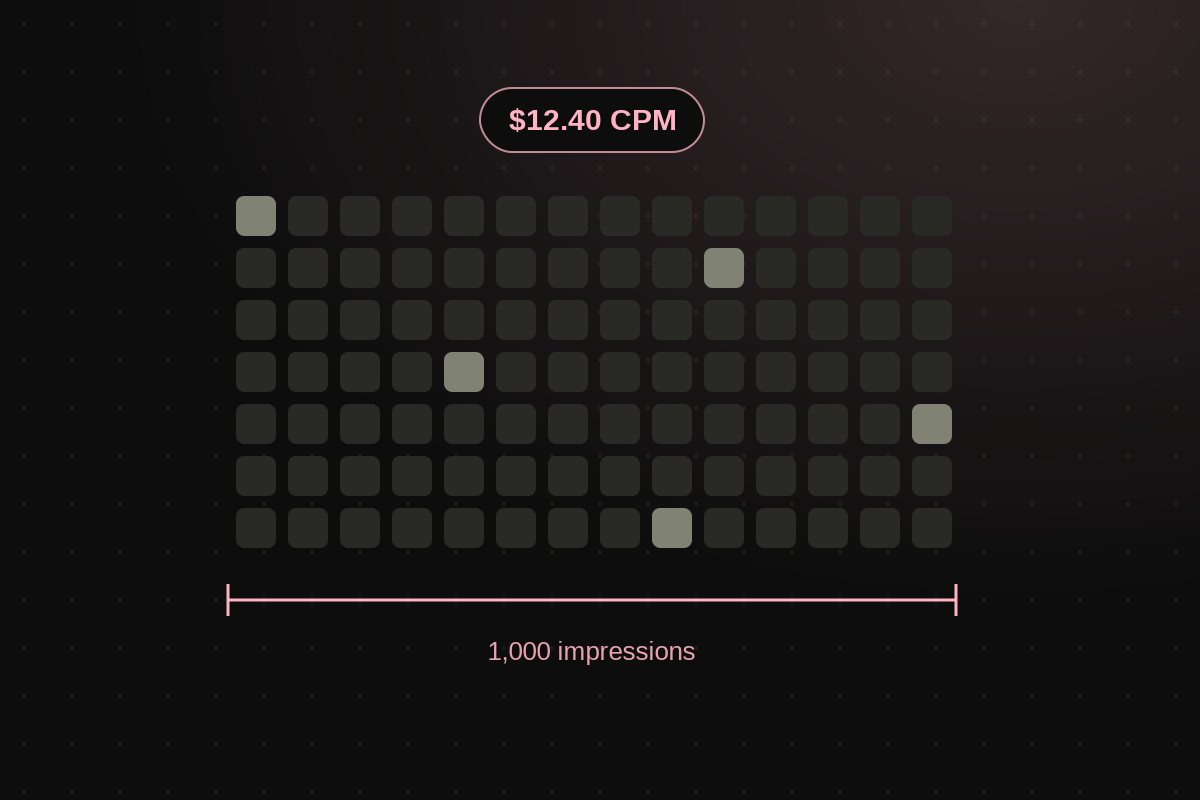
Conversion rate multiplies everything you spend on traffic. At 1.5%, every 1,000 visits bring 15 orders; at 2%, the same visits bring 20, a third more revenue from the same ad budget. That's why fixing a page usually beats buying more visits.
Insights
Find trends in your business for free
Ask a question about your store and Replo answers it from every tool you connect. Worked out from Shopify, Google Analytics 4, PostHog and Amplitude.




Formula
Conversion rate is the share of sessions on your store that end in an order.
Conversion rate = (orders ÷ sessions) × 100
What is conversion rate?
Conversion rate is the percentage of visits that end in a purchase. If 10,000 sessions reach your store and 150 of them place an order, your conversion rate is 1.5%. It's the clearest single number for how well your pages turn traffic into sales.
A conversion can be any goal you choose, such as an email signup, but for an online store it usually means a completed order. This calculator uses orders.
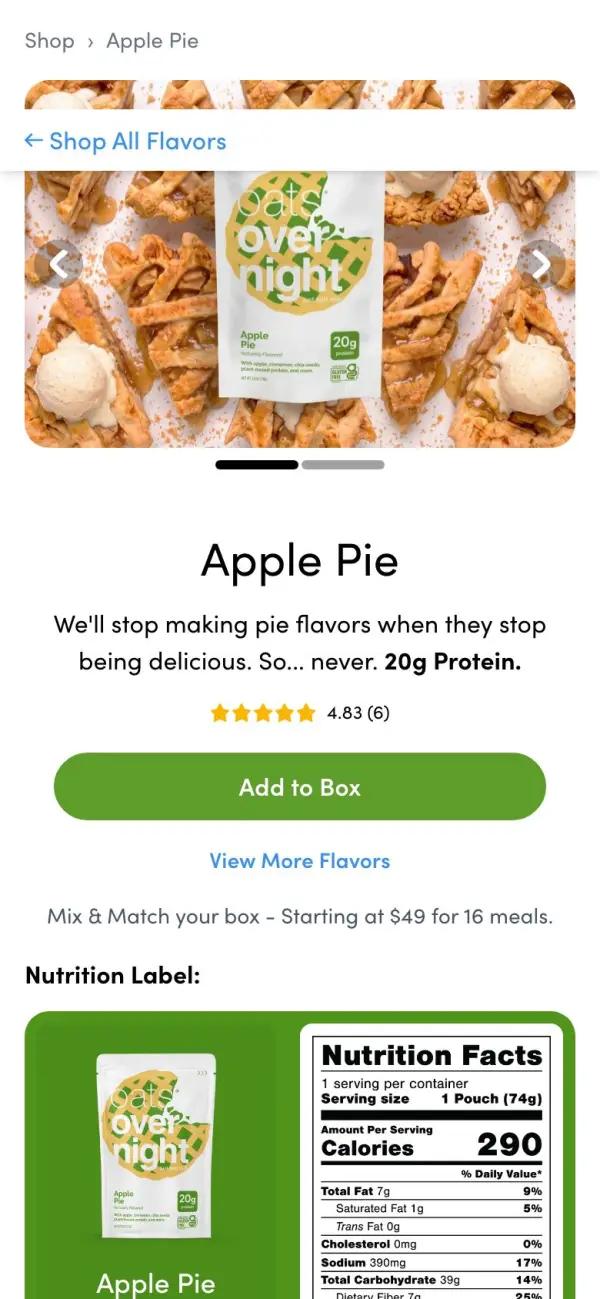
 Oats Overnight
Mix-and-match oatmeal box, 16 meals, $49
Oats Overnight's 16-meal oatmeal box sells for $49.00. A thousand visits that convert at 2% bring 20 orders, $980.00; at 3% they bring $1,470.
See the live pageHow do you calculate conversion rate?
Divide orders by sessions, then multiply by 100.
Conversion rate = (orders ÷ sessions) × 100
Here's the formula worked through:
- Pick a period, such as the last 30 days, and use it for both numbers.
- Find your total sessions for that period: 10,000.
- Find your total orders for the same period: 150.
- Divide orders by sessions: 150 ÷ 10,000 = 0.015.
- Multiply by 100: 1.5%.
Three choices change the answer, so make them once and keep them every time you check:
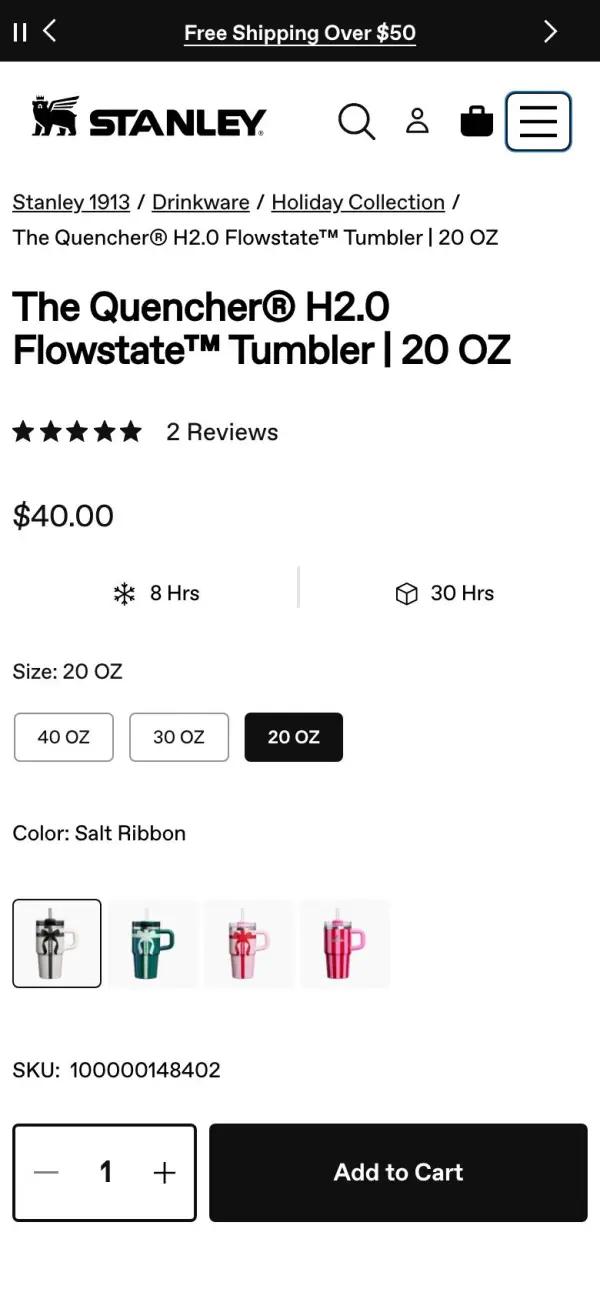
 Stanley 1913
Quencher H2.0 tumbler, 20 oz, $40
Stanley's Quencher sells for $40.00. A thousand visits that convert at 2% bring 20 orders, $800.00; at 3% they bring $1,200.
See the live page- Sessions or visitors. Sessions count every visit; visitors count people. A shopper who visits three times is one visitor and three sessions, so a rate per visitor looks higher. Most store analytics and published benchmarks use sessions.
- Orders or other goals. If you count signups as conversions, your rate can't be compared with a purchase benchmark.
- One page or the whole store. A landing page built for one ad often converts higher than the store average, because every visitor arrived wanting that product.
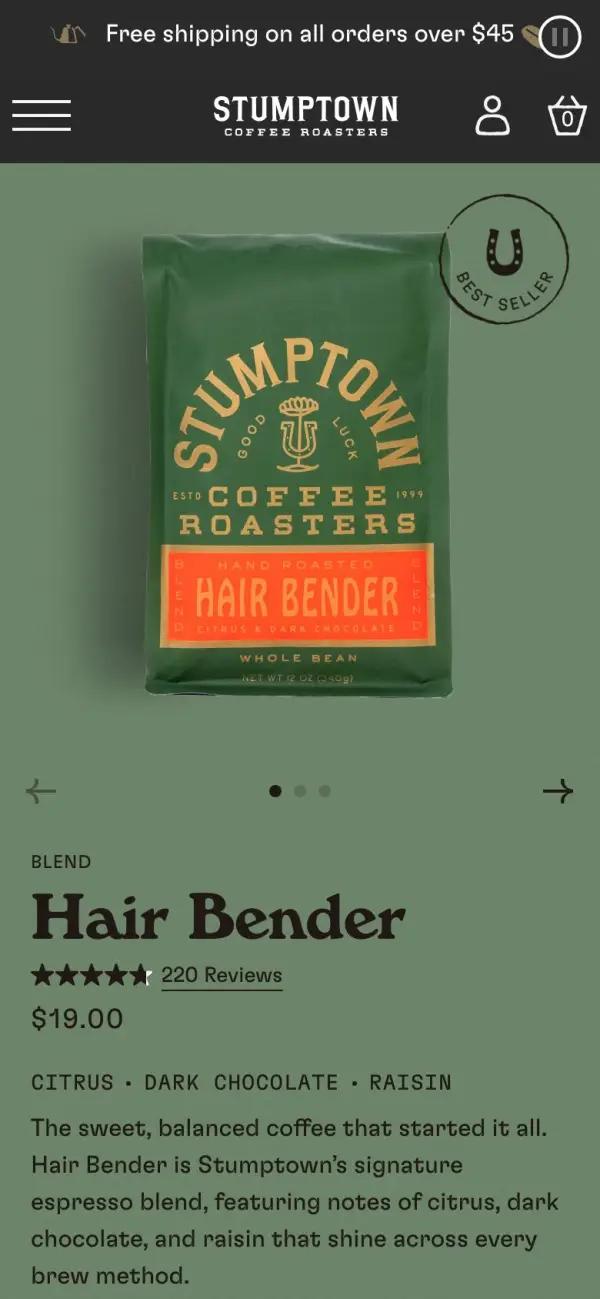
 Stumptown Coffee Roasters
Hair Bender coffee, 12 oz, $19
Stumptown's Hair Bender sells for $19.00. A thousand visits that convert at 2% bring 20 orders, $380.00; at 3% they bring $570.00.
See the live pageWhat is a good conversion rate?
A good ecommerce conversion rate is about 2.5% to 3% for a whole store. Dynamic Yield's data on more than 400 brands puts the average online store at 2.66% (source), and most stores land between 2% and 3%.
What you sell moves that number a lot. In the same Dynamic Yield data, luxury and jewelry stores convert under 1%, while beauty and pet care stores convert above 5%. Expensive items take longer to decide on; low-cost repeat purchases convert faster.
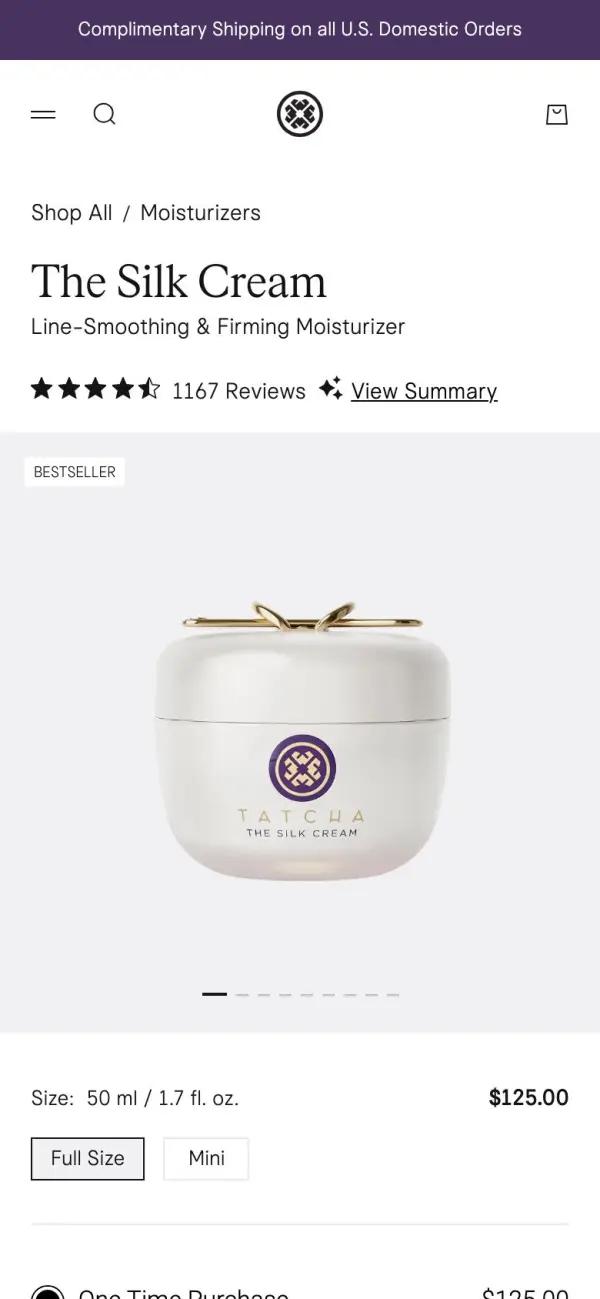
 Tatcha
The Silk Cream, 50 ml, $125
Tatcha's Silk Cream sells for $125.00. A thousand visits that convert at 2% bring 20 orders, $2,500; at 3% they bring $3,750.
See the live pageDevice matters too. Contentsquare's retail data, cited in the same article, has desktop converting at 3.7% and mobile at 2%. A store whose traffic is mostly phones will sit lower than one whose shoppers buy at a desk.
So compare yourself with stores that sell what you sell, to the same kind of traffic. For category numbers, see ecommerce conversion rate by industry.
Is my conversion rate good?
Put your numbers in the calculator above and compare the result with 2.66%. Before you act on it, split the number three ways:
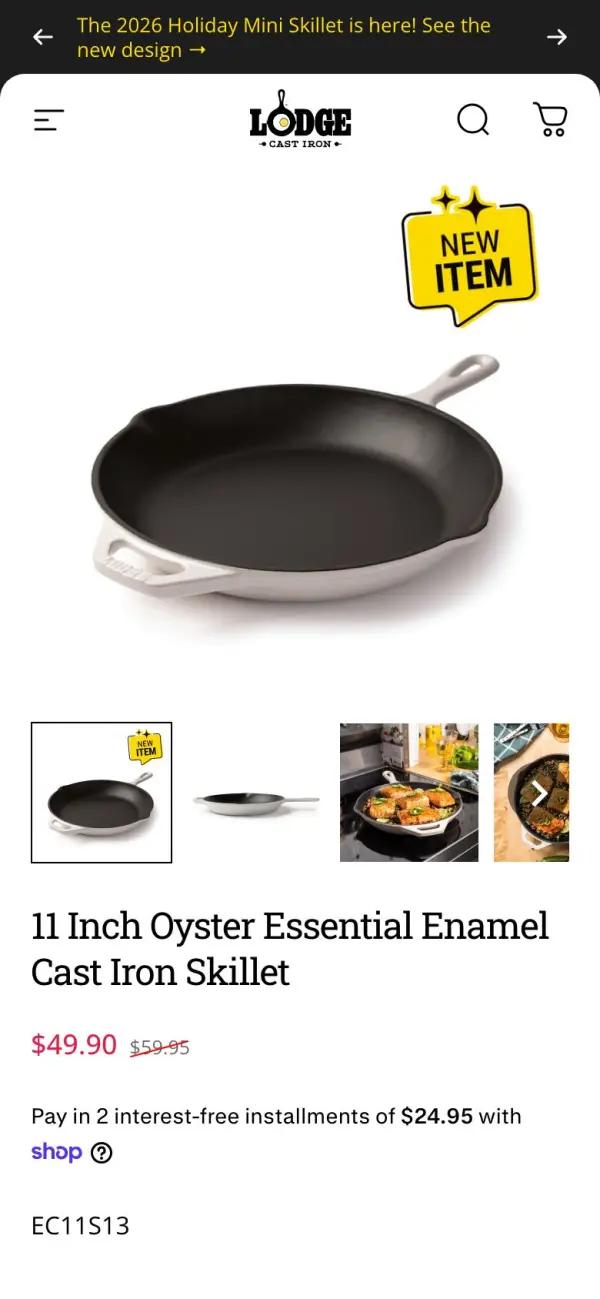
 Lodge Cast Iron
11 inch enamel cast iron skillet, $49.90
Lodge's enamel skillet sells for $49.90. A thousand visits that convert at 2% bring 20 orders, $998.00; at 3% they bring $1,497.
See the live page- By traffic source. A burst of cheap social clicks can lower your rate even while total sales go up. Judge each channel against its own past.
- By device. If mobile sits far below desktop, start with the mobile product page and checkout.
- By page. One weak product page or landing page that gets a lot of traffic can pull down the whole store.
Replo's ecommerce analytics shows conversion rate by page, device and traffic source, so you can see which page to fix first.
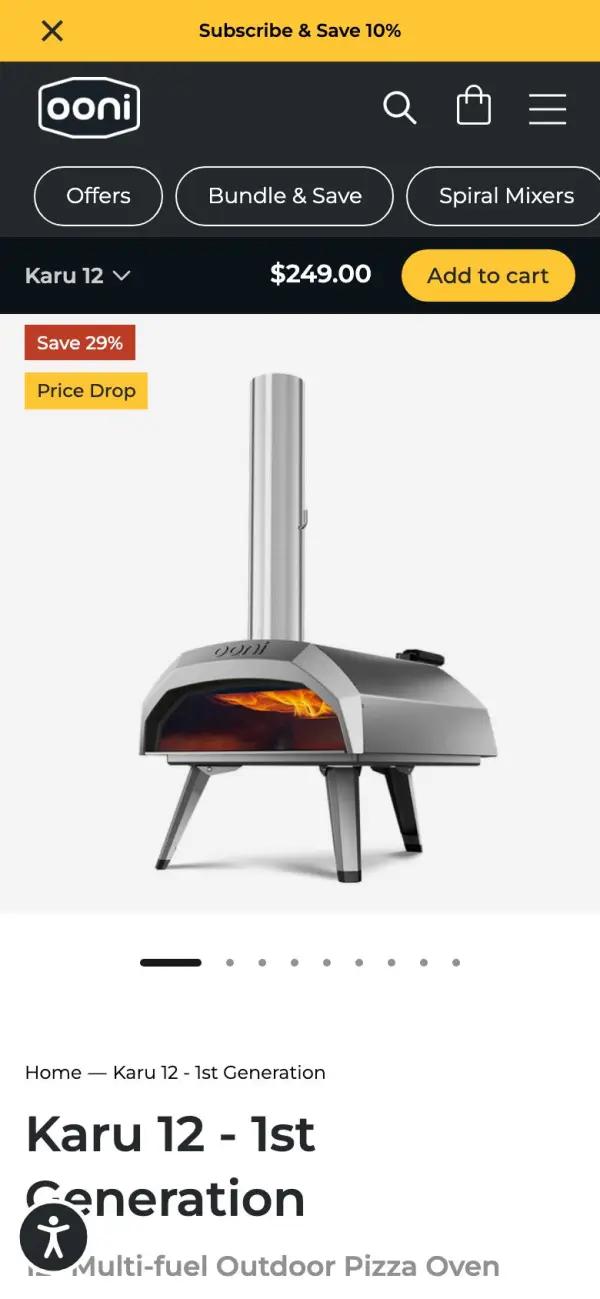
 Ooni
Karu 12 pizza oven, $249
Ooni's Karu 12 sells for $249.00. A thousand visits that convert at 2% bring 20 orders, $4,980; at 3% they bring $7,470.
See the live pageHow much is a higher conversion rate worth?
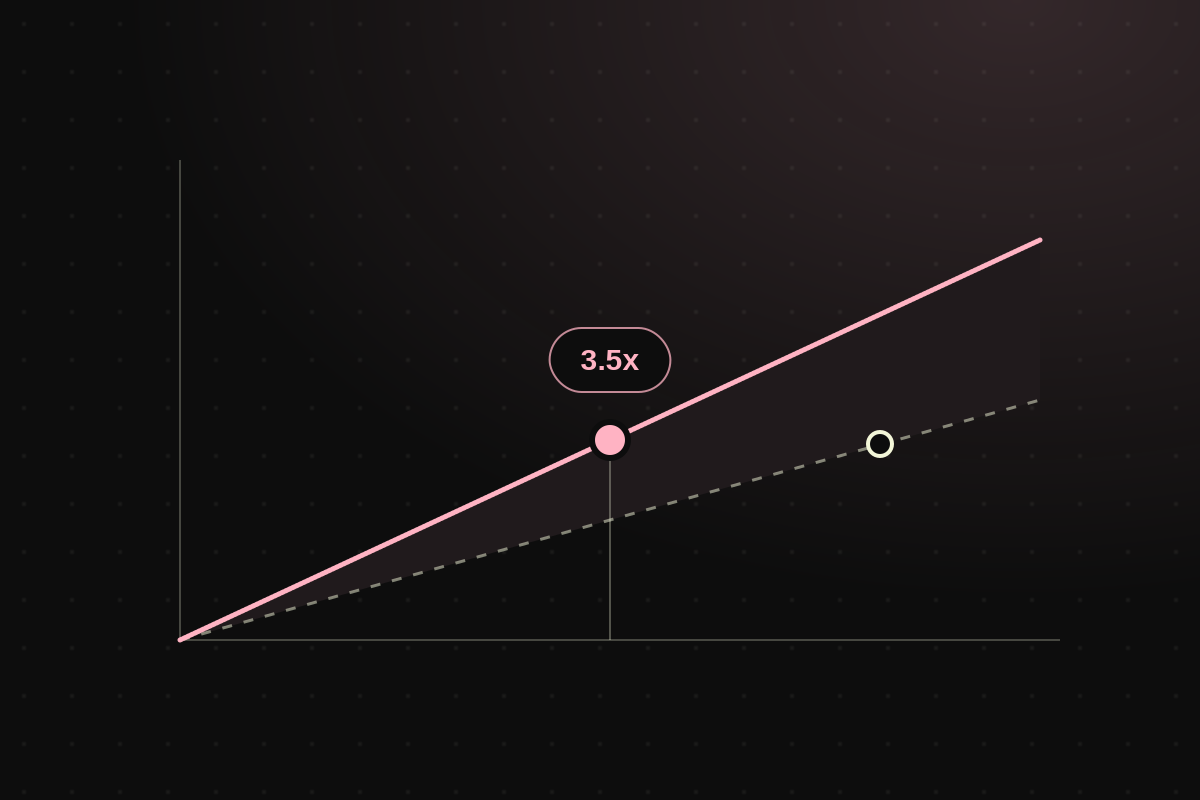
Take 10,000 sessions a month at 1.5%: 150 orders. Lift the rate to the 2.66% average and the same sessions bring 266 orders. At a $145 average order value, that's about $16,800 more revenue a month from traffic you already pay for.
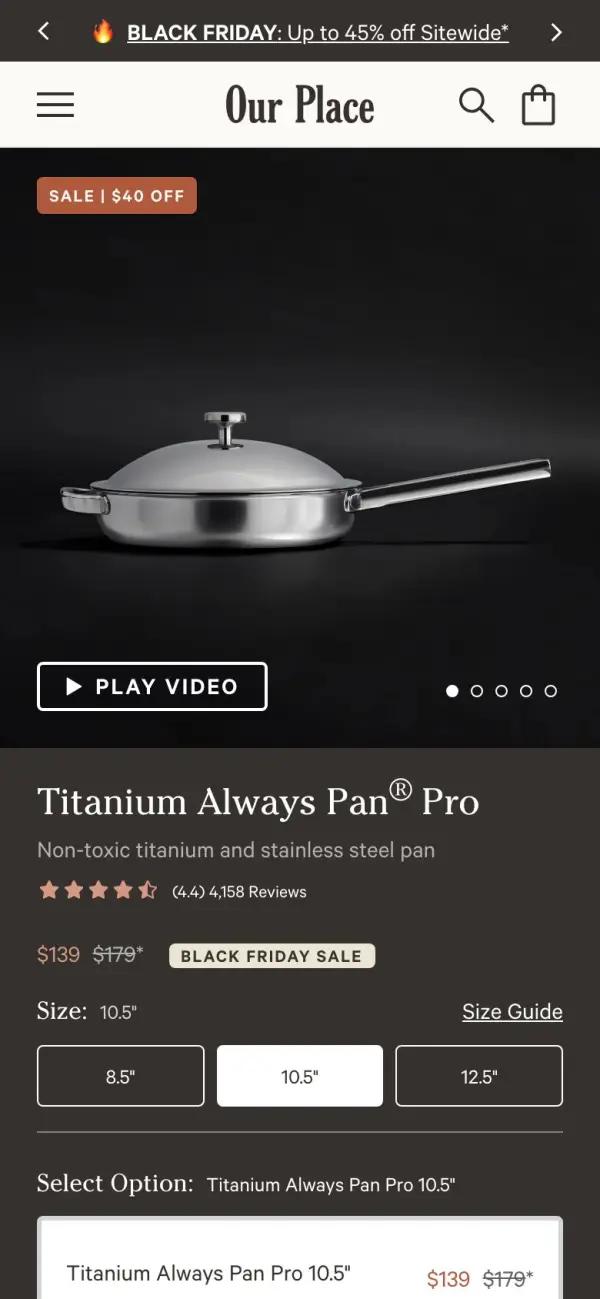
 Our Place
Titanium Always Pan Pro, 10.5 inch, $139
Our Place's Always Pan sells for $139.00. A thousand visits that convert at 2% bring 20 orders, $2,780; at 3% they bring $4,170.
See the live pageHow to improve your conversion rate
- Find where shoppers stop. Compare how many sessions view a product, add to cart, start checkout and buy. The biggest drop is where to start. Heatmaps show whether shoppers scroll past the buy button or never reach your reviews.
- Fix the obvious first. Slow pages, a buy button below the fold on mobile, surprise shipping costs at checkout and missing reviews are common and cheap to fix.
- Match the page to the ad. A shopper who clicked an ad for one product should land on that product, with the same offer and imagery. Read how landing pages affect ad conversion rate.
- Test one change at a time. A/B test the headline, hero image, offer or page layout, and keep the version that sells more. Start from these A/B test examples.
- Wait for enough data. Check the result with the statistical significance calculator before you call a winner.
The ad
Stumptown Coffee Roasters
Sponsored ·
Sweet spice, silky chocolate-covered orange, and a lush brown sugar finish walk into a holiday blend. It's Evergreen Season.

stumptowncoffee.com
Evergreen Is for Everyone
The page it opens
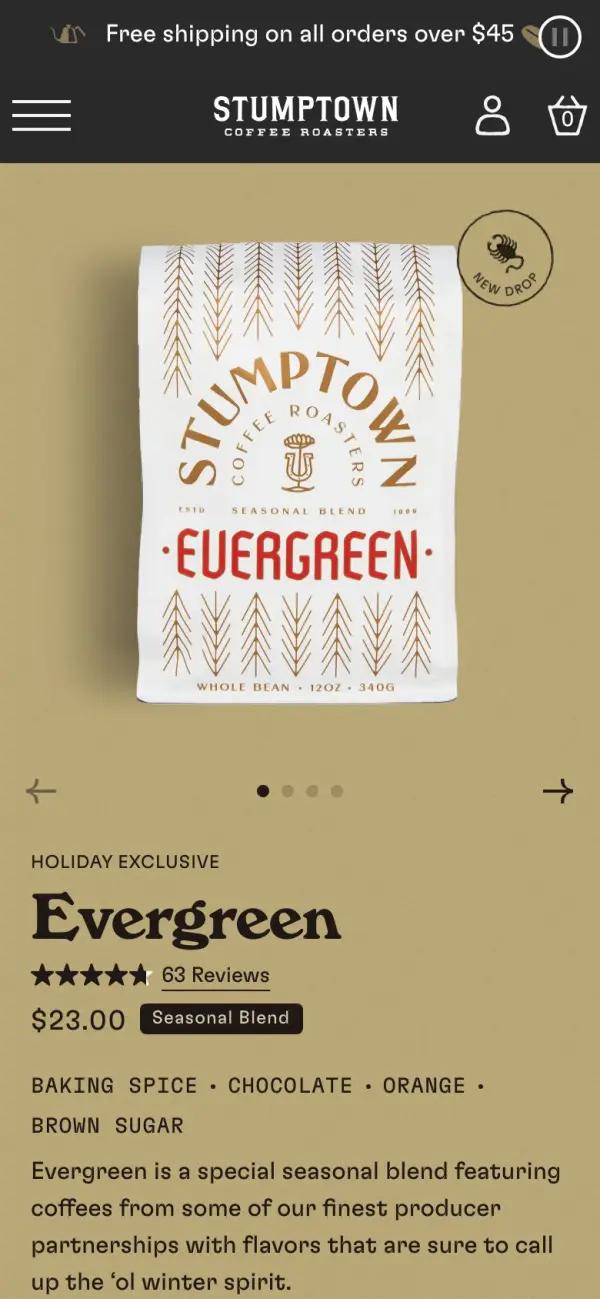 Stumptown Coffee Roasters
A real ad and the page it opens. Stumptown's Evergreen sells for $23.00. A thousand visits that convert at 2% bring 20 orders, $460.00; at 3% they bring $690.00.
See the ad in Meta’s Ad LibrarySee the live pageFor a longer list of fixes, read how to improve landing page conversion rate.
Conversion rate questions
Is a 2% conversion rate good? It's close to average. Most online stores convert between 2% and 3%, and Dynamic Yield's average is 2.66%. If you sell expensive items, 2% can be strong; if you sell low-cost repeat purchases, you likely have room to grow.
Is a 5% conversion rate good? Yes. A 5% conversion rate is close to double the 2.66% average. Stores in fast-buying categories like beauty can reach it, and so can landing pages built for one ad. If your rate jumps that high suddenly, check your tracking before you celebrate.
The ad
Tatcha
Sponsored ·
Smooth the look of wrinkles for silky-soft skin. The Silk Cream nourishes & strengthens for an improved skin barrier.

tatcha.com
The Silk Cream
The page it opens
TatchaA real ad and the page it opens. Tatcha's Silk Cream sells for $125.00. A thousand visits that convert at 2% bring 20 orders, $2,500; at 3% they bring $3,750.
See the ad in Meta’s Ad LibrarySee the live pageWhat's the difference between conversion rate and add to cart rate? Conversion rate counts sessions that end in an order. Add to cart rate counts sessions where a shopper added an item, whether or not they bought. A high add to cart rate with a low conversion rate points to a checkout problem. Check yours with the add to cart rate calculator.
Why is my mobile conversion rate lower than desktop? Shoppers often browse on a phone and buy later on a computer, and small screens make checkout harder. Contentsquare's retail data has mobile at 2% against 3.7% on desktop. Fast pages, a visible buy button and express checkout narrow the gap.
The ad
Ooni
Sponsored ·
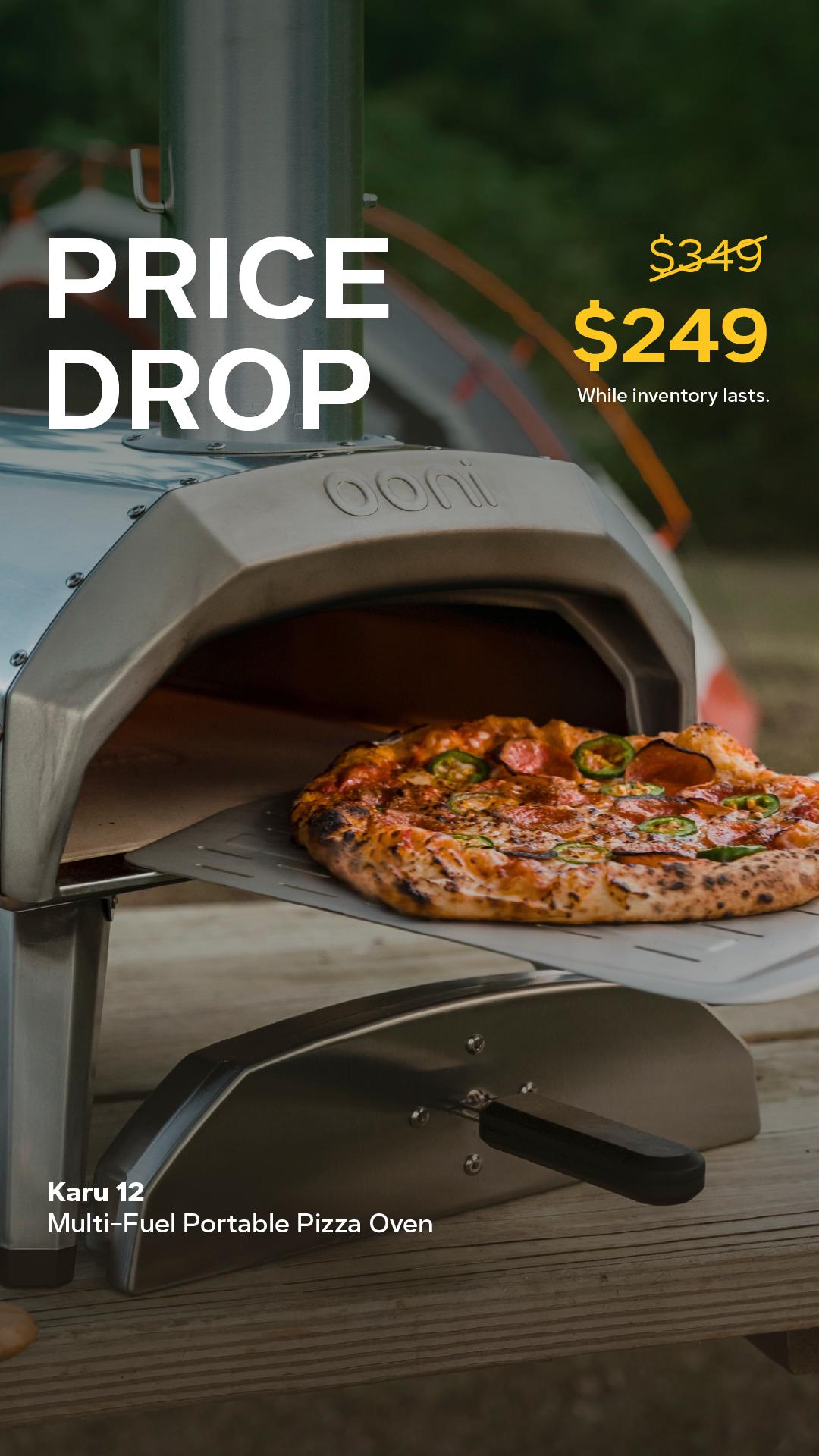
Experience wood-fired flavor for less! The Ooni Karu 12 multi-fuel oven just got more affordable at $100 off🍕🙌
ooni.com
$100 Off Karu 12 Multi-fuel Oven
The page it opens
OoniA real ad and the page it opens. Ooni's Karu 12 sells for $249.00. A thousand visits that convert at 2% bring 20 orders, $4,980; at 3% they bring $7,470.
See the ad in Meta’s Ad LibrarySee the live pageHow often should I check my conversion rate? Weekly is enough for most stores. Daily numbers swing with traffic and promotions, so compare periods of the same length, such as this month against last month, and look for the trend rather than single days.
More free calculators for the numbers that drive revenue are in the ecommerce toolbox.
Sources
The typical-store figure in the calculator comes from Dynamic Yield's data on 400+ brands. Industry figures are the median of thousands of stores built on Replo with 1,000 or more sessions over the last 30 days, in industries with 20 or more stores.