LTV calculator: customer lifetime value
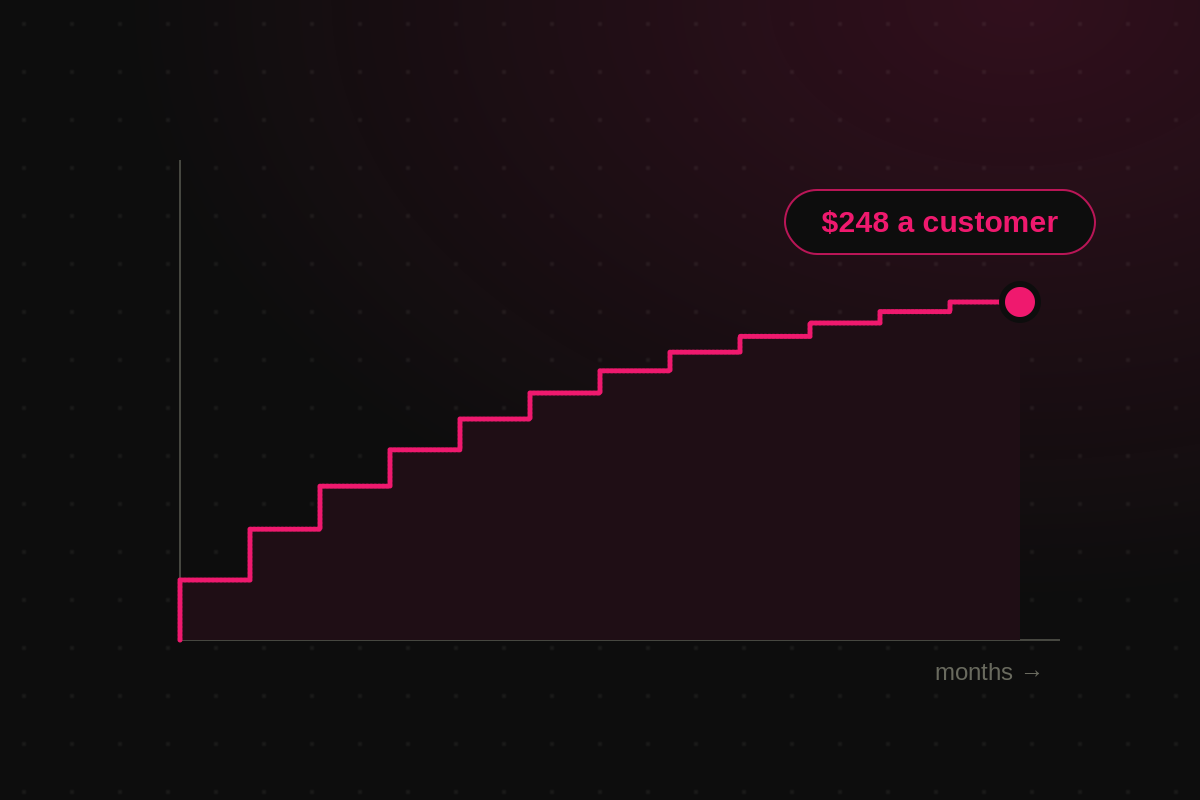
Customer lifetime value (LTV or CLV) is the profit one customer brings over every order they ever place. Drag the staircase, where each step is an order, to set the order value, how often customers buy and how long they stay, and see when a customer pays back what they cost.
Customer lifetime value
$150.00
A customer spends $Average order value (AOV): your sales divided by your number of orders. $5,000 from 100 orders is a $50 AOV. an order, Purchase frequency: orders in a year divided by the customers who placed them. 2,500 orders from 1,000 customers is 2.5. Often 1.5–4 for stores people reorder from. times a year, for yearsCustomer lifespan: how long a typical customer keeps ordering before they stop. Without years of data, use 1 ÷ the share of customers you lose a year; 1–3 years is common.. At a %The share of each order left after the product's cost. A $50 order of $20 products is a 60% margin. Most online stores: 40–70%. margin that's $150.00 of gross profit ($250.00 in sales).
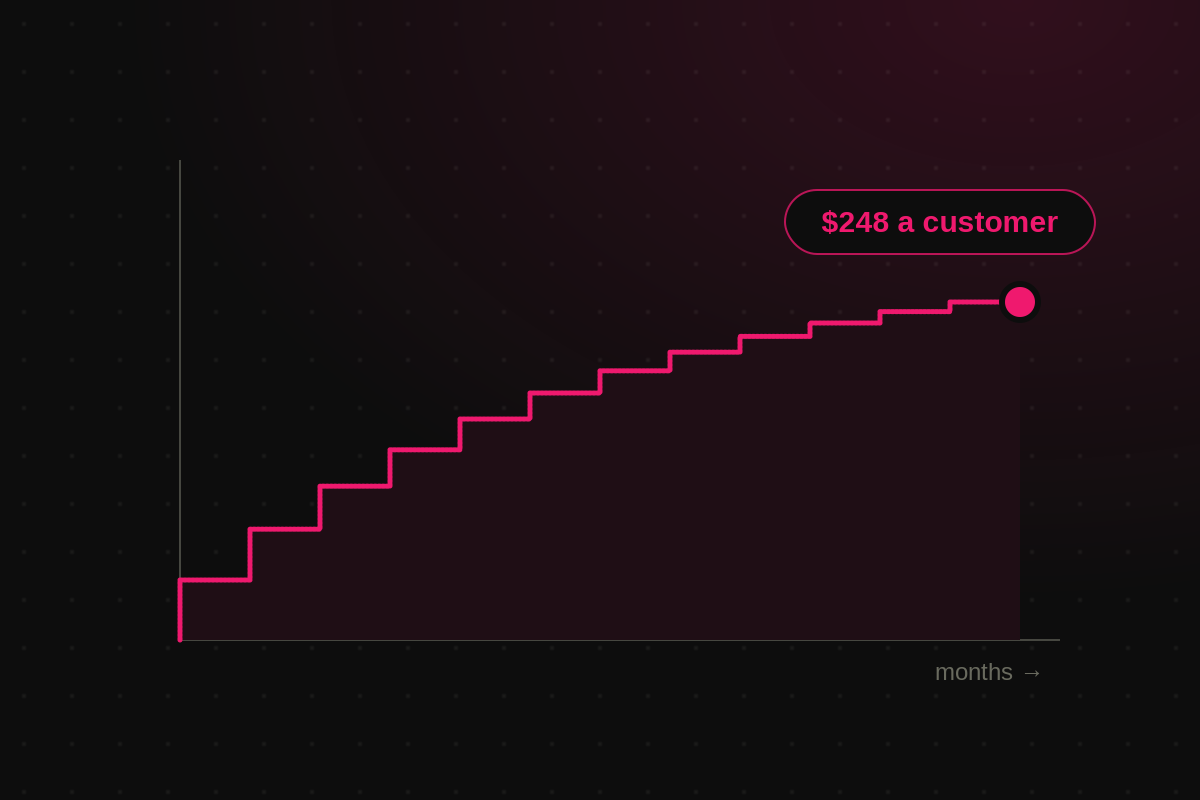
Customer lifetime value (LTV) is the profit one customer brings over every order they ever place. Each step up is one more order.
- Gross profit from one customer, adding up to $150.00
- What you pay to win a customer (CAC): $45.00, drag it
- Lifetime revenue
- $250.00
- Orders per customer
- 5.0
- LTV to CAC
- 3.3 : 1
- Gross profit per order
- $30.00
Drag the first step to change the order value, the second step's edge to change how often they buy, the end to change how long they stay, and the dashed line for what you pay to win a customer.



Find trends in your business for free. Ask a question about your store and Replo answers it from every tool you connect.
How to read your number
Lifetime value is what one customer spends with you over the whole time they keep buying: $50 orders, 2.5 a year, for 2 years is $250. At a 60% margin that's $150 in gross profit, which is the most you can spend to win a customer and still break even. Compare it with your acquisition cost next.
Why it matters
Lifetime value sets your ceiling on acquisition cost. A store whose customers are worth $150 can pay $60 to win one and grow profitably; at $60 of lifetime value, the same ad costs lose money. Raising it, usually by winning the second order, makes every channel you buy affordable.
Every morning
Get your customer lifetime value in a daily report
Replo reads Shopify, Klaviyo, Recharge and Triple Whale and has your customer lifetime value ready every morning, with what changed since yesterday and why.




Formula
LTV = average order value × orders per year × years retained
Multiply by gross margin to get lifetime gross profit, the number to compare with what you spend to win a customer. Take each input from your own order history rather than guessing.
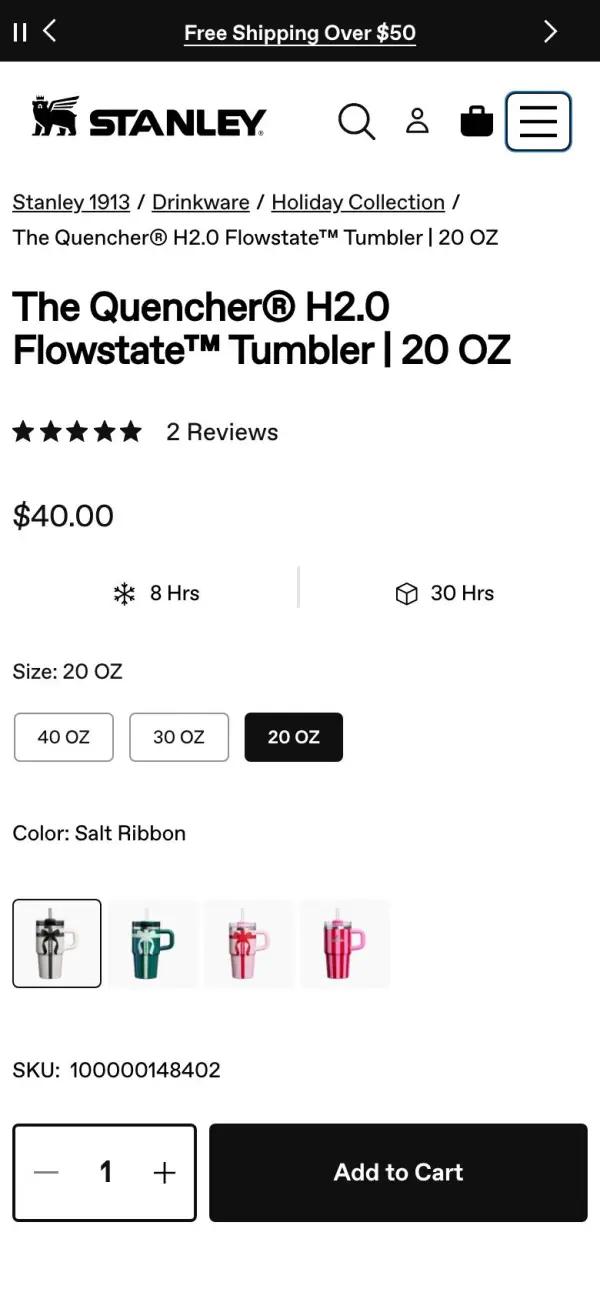
 Stanley 1913
Quencher H2.0 tumbler, 20 oz, $40
Stanley's Quencher sells for $40.00. A customer who buys it once a month for a year spends $480.00; one who stops after three orders spends $120.00.
See the live pageOther ways to calculate LTV
- Gross profit LTV
- LTV = average order value × orders per year × years retained × gross margin
- When you'll compare LTV with acquisition cost, which should always be in profit.
- LTV from churn
- LTV = average order value × orders per year × gross margin ÷ yearly churn rate
- When you know what share of customers stop buying each year rather than how long they stay.
- Payback in orders
- Orders to pay back = acquisition cost ÷ gross profit per order
- To see how many orders a customer needs before they've paid back what they cost.
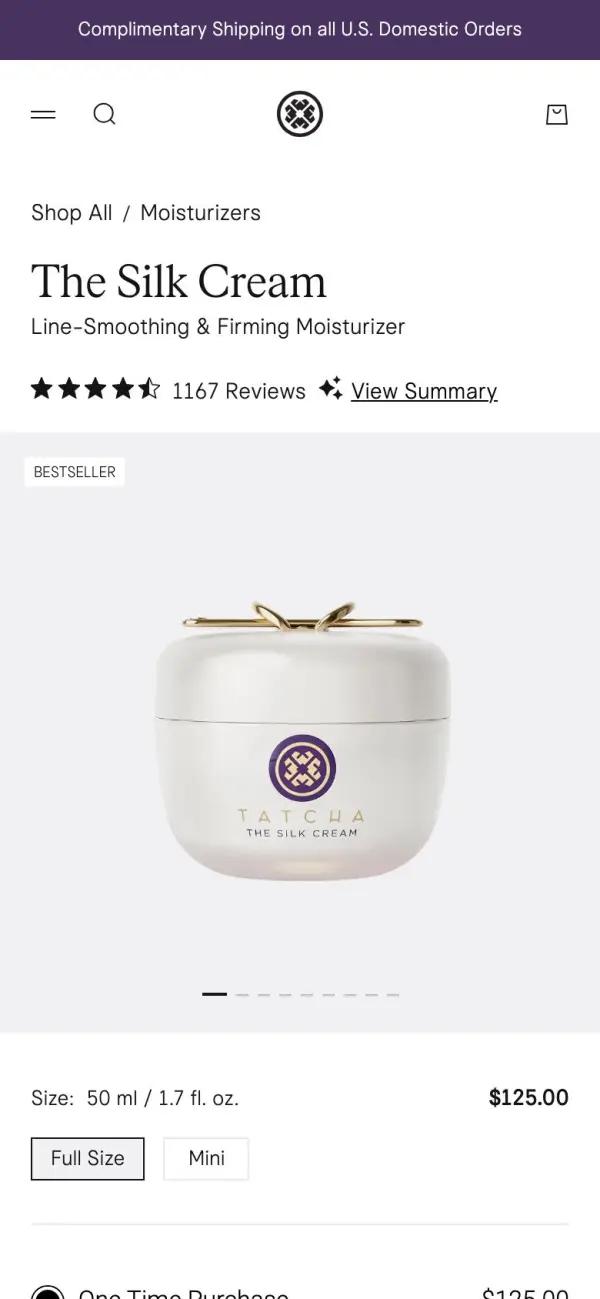
 Tatcha
The Silk Cream, 50 ml, $125
Tatcha's Silk Cream sells for $125.00. A customer who buys it once a month for a year spends $1,500; one who stops after three orders spends $375.00.
See the live pageWhat is customer lifetime value?
Customer lifetime value, or LTV (also written CLV), is the total a customer spends with you from their first order to their last. If a customer spends $50 an order, orders 2.5 times a year and keeps buying for 2 years, they're worth $250 in sales.
It matters because it's the upper limit on what you can spend to win a customer. Pair it with customer acquisition cost and you can see whether each new customer makes money.
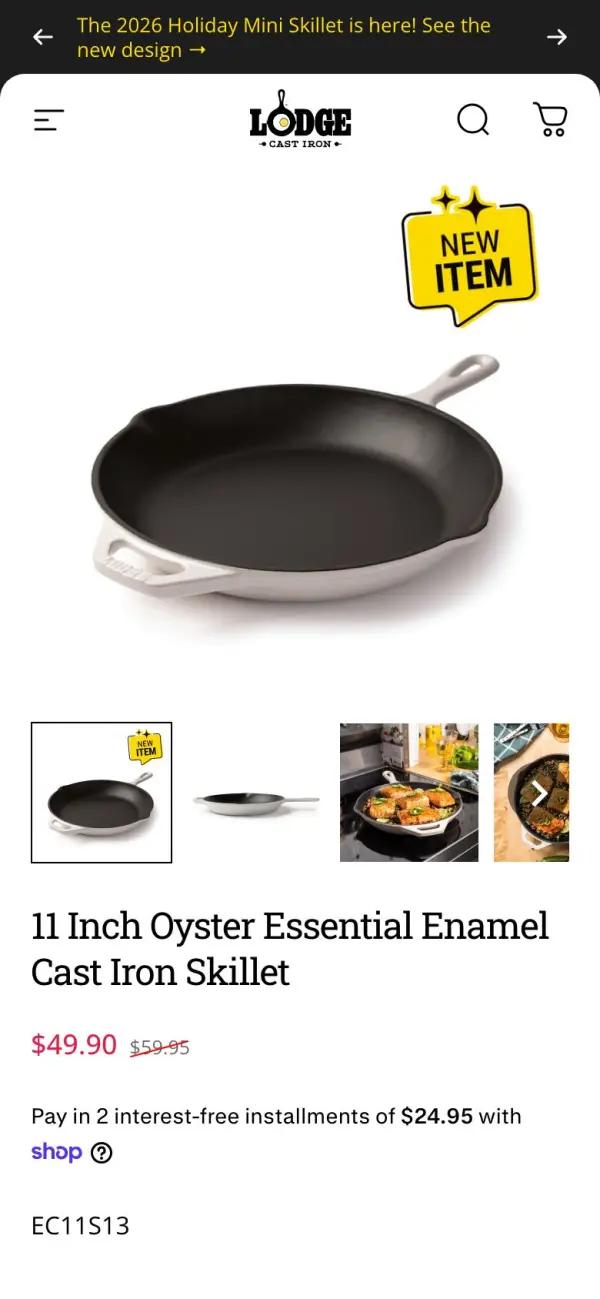
 Lodge Cast Iron
11 inch enamel cast iron skillet, $49.90
Lodge's enamel skillet sells for $49.90. A customer who buys it once a month for a year spends $598.80; one who stops after three orders spends $149.70.
See the live pageHow do you calculate customer lifetime value?
- Average order value. Revenue divided by orders over the last year: $50. Check it with the average order value calculator.
- Orders per customer per year. Orders divided by unique customers in the same year: 2.5. The transactions per user calculator does this step.
- Years a customer keeps buying. One divided by the share of customers who stop buying each year. If half your customers don't come back in a year, the average customer stays 1 ÷ 50% = 2 years.
- Multiply. $50 × 2.5 × 2 = $250 in sales, and $250 × 60% margin = $150 in gross profit.
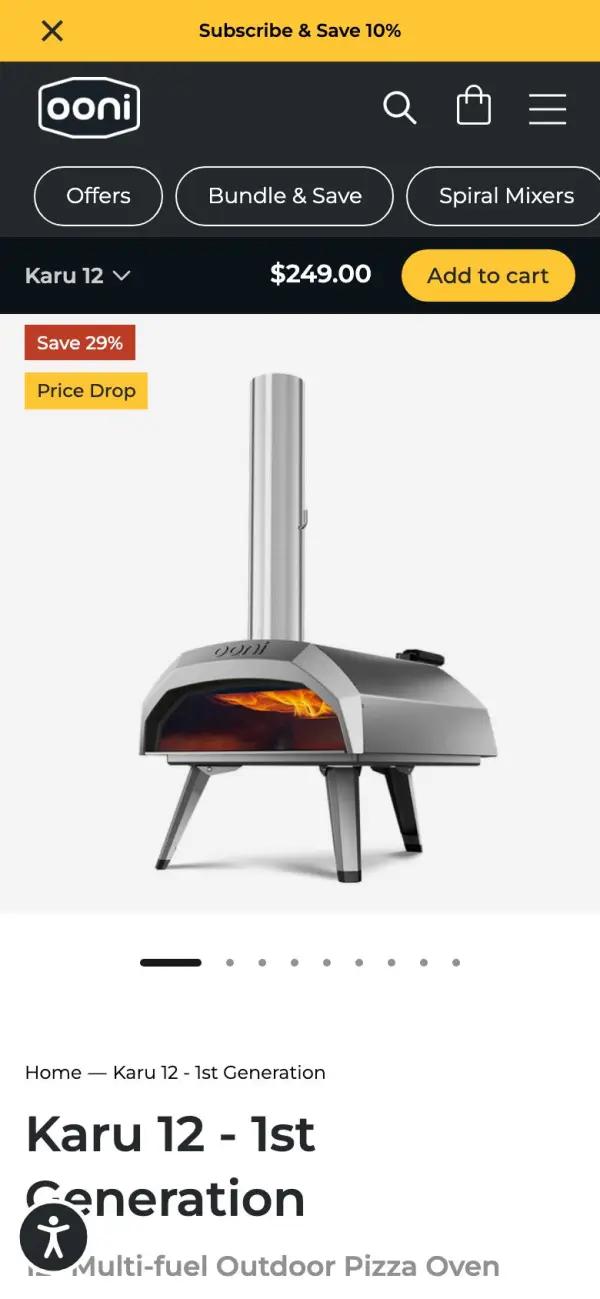
 Ooni
Karu 12 pizza oven, $249
Ooni's Karu 12 sells for $249.00. A customer who buys it once a month for a year spends $2,988; one who stops after three orders spends $747.00.
See the live pageUse real orders where you can. New stores without a year of history should use a short window, such as 12-month LTV, and update it as data comes in.
How to calculate LTV: a worked example
Stumptown sells Hair Bender for $19 a bag, with a subscribe option. Say your coffee customers spend $50 per order, about two and a half bags, buy 2.5 times a year and keep buying for 2 years. Your gross margin is 60%.
- Lifetime revenue = $50 × 2.5 × 2 = $250
- Lifetime gross profit = $250 × 60% = $150
A customer is worth $150 in gross profit, so you break even if you spend up to $150 to win one.
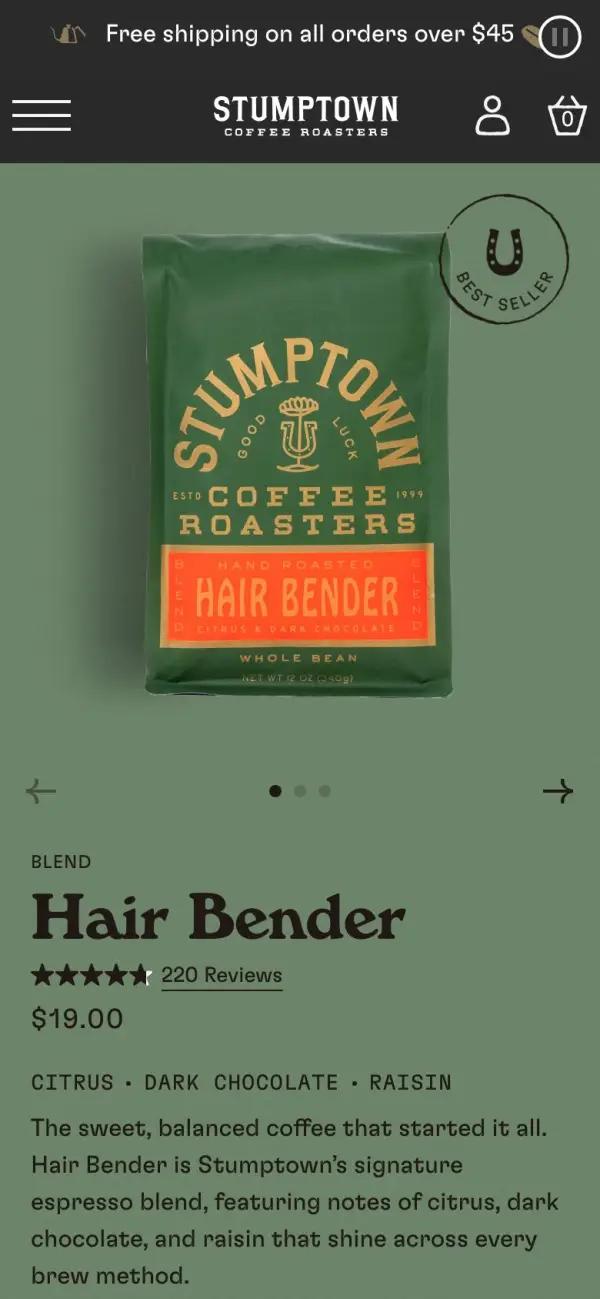
 Stumptown Coffee Roasters
Hair Bender coffee, 12 oz, $19
Stumptown's Hair Bender sells for $19.00. A customer who buys it once a month for a year spends $228.00; one who stops after three orders spends $57.00.
See the live pageWhat is a good customer lifetime value?
A good lifetime value is one comfortably above what it costs to win a customer. On its own, LTV doesn't tell you much: $150 is excellent for a store that wins customers for $40 and a loss for one that pays $200. Divide lifetime gross profit by your CAC; above 1, each customer pays back, below 1, growth loses money. For how high that ratio should be, read what is a good LTV to CAC ratio, or work it out with the LTV to CAC calculator.
Timing matters too. A customer who pays back on their first order funds the next one. One who pays back in year two has to be financed until then.
Do it with Replo
See lifetime value from real orders
Replo reads your Shopify orders and works out LTV by first product, channel or month.
How much is one more order worth?
Most of lifetime value comes from repeat orders, so small changes in how often customers come back move it a lot. In the store above, each order leaves $30 in gross profit. Lift orders per year from 2.5 to 3 and lifetime gross profit goes from $150 to $180, a fifth more per customer, without one extra dollar on acquisition. Across 1,000 new customers a year, that's $30,000.
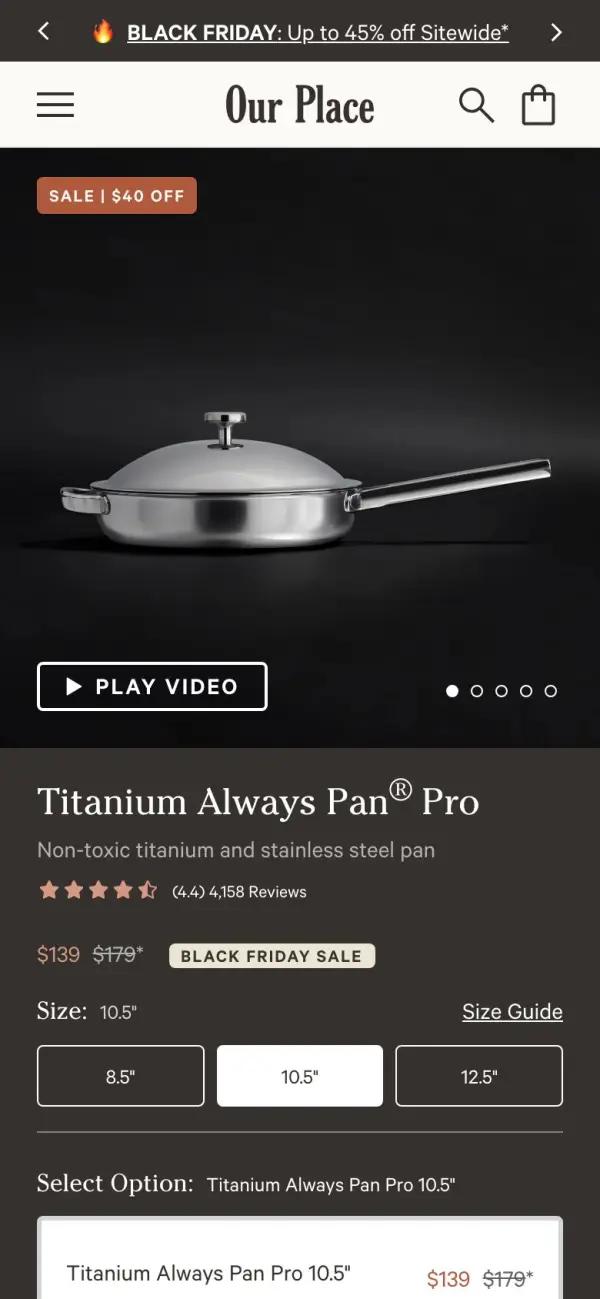
 Our Place
Titanium Always Pan Pro, 10.5 inch, $139
Our Place's Always Pan sells for $139.00. A customer who buys it once a month for a year spends $1,668; one who stops after three orders spends $417.00.
See the live pageHow to increase customer lifetime value
- Win the second order. The biggest drop-off is between the first order and the second. A follow-up with a reason to come back, such as a refill reminder or a product that pairs with the first one, does more than any loyalty scheme.
- Offer a subscription or refill. For anything people run out of, a subscribe option turns occasional buyers into regular ones. See customer retention strategies for subscription programs.
- Raise order value. Bundles, quantity breaks and a free-shipping threshold lift every order a customer places, and LTV with them.
- Start customers on the right product. Customers whose first purchase is a product they reorder are often worth far more than those who start on a one-off. Replo's analytics shows lifetime value by first product and channel, so you know which to put in front of new visitors.
- Test the pages new customers land on. A product page that sets the right expectations brings buyers who stay. A/B test the offer and the copy, and keep the version whose customers reorder.
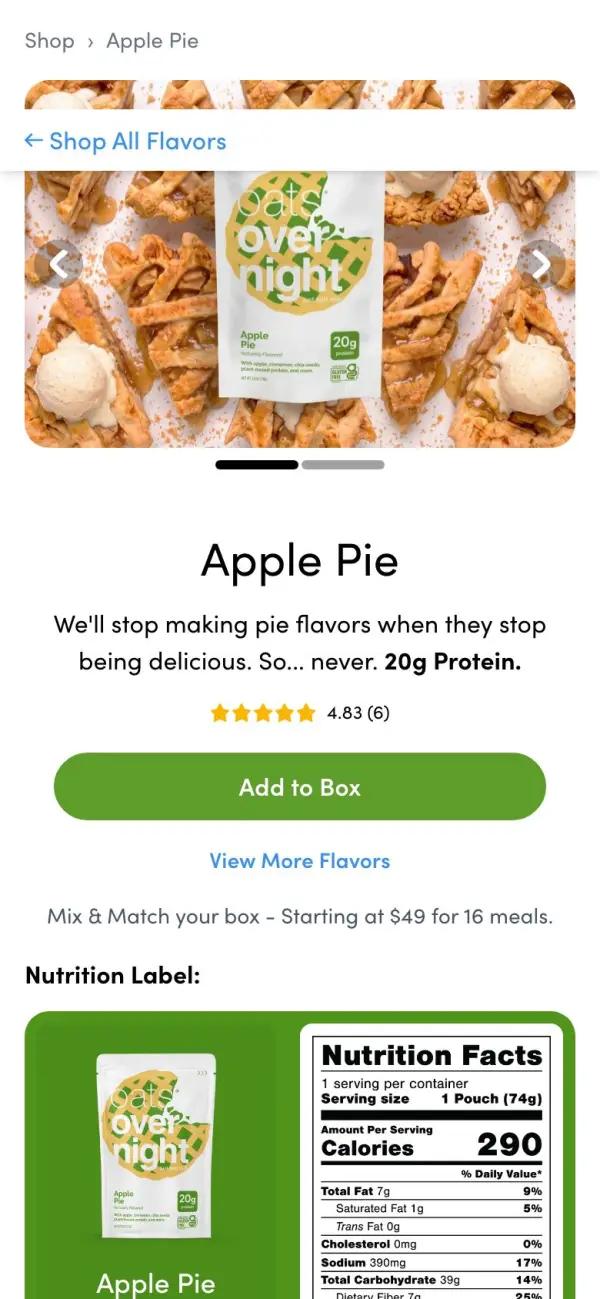
 Oats Overnight
Mix-and-match oatmeal box, 16 meals, $49
Oats Overnight's 16-meal oatmeal box sells for $49.00. A customer who buys it once a month for a year spends $588.00; one who stops after three orders spends $147.00.
See the live pageQuestions about LTV
Multiply what a customer spends per order by how many times they order a year, how many years they keep buying and your gross margin: LTV = order value × orders a year × years × margin. $50 × 2.5 × 2 × 60% is $150.
Yes. LTV (lifetime value) and CLV or CLTV (customer lifetime value) are the same metric: what a customer spends with you over their whole relationship. Some teams use LTV for revenue and CLV for profit, so say which one you mean.
Profit, when you compare it with acquisition cost. Revenue LTV overstates what a customer is worth, because product cost, shipping and fees come out of every order. Gross profit LTV is the honest ceiling on what you can spend to win a customer.
Use your order history. Find the share of customers who don't order again within a year, then divide 1 by that share. If 40% don't come back, the average customer stays 2.5 years. Recheck it as your store and customer base grow.
Use a short window, such as each customer's spend in their first 6 or 12 months, instead of guessing a lifespan. It understates true lifetime value, which is the safe direction when you're deciding what to spend on acquisition.
The math is the same, with one shortcut: lifetime value is the monthly order value times gross margin, divided by the monthly cancellation rate. A $40 subscription at 60% margin with 10% of subscribers cancelling each month is worth $40 × 60% ÷ 10% = $240.