Facebook ad budget calculator: how much should you spend?
How much should you spend on Facebook ads? Your ad budget is the orders you want times what each one costs, checked against Meta's learning phase.
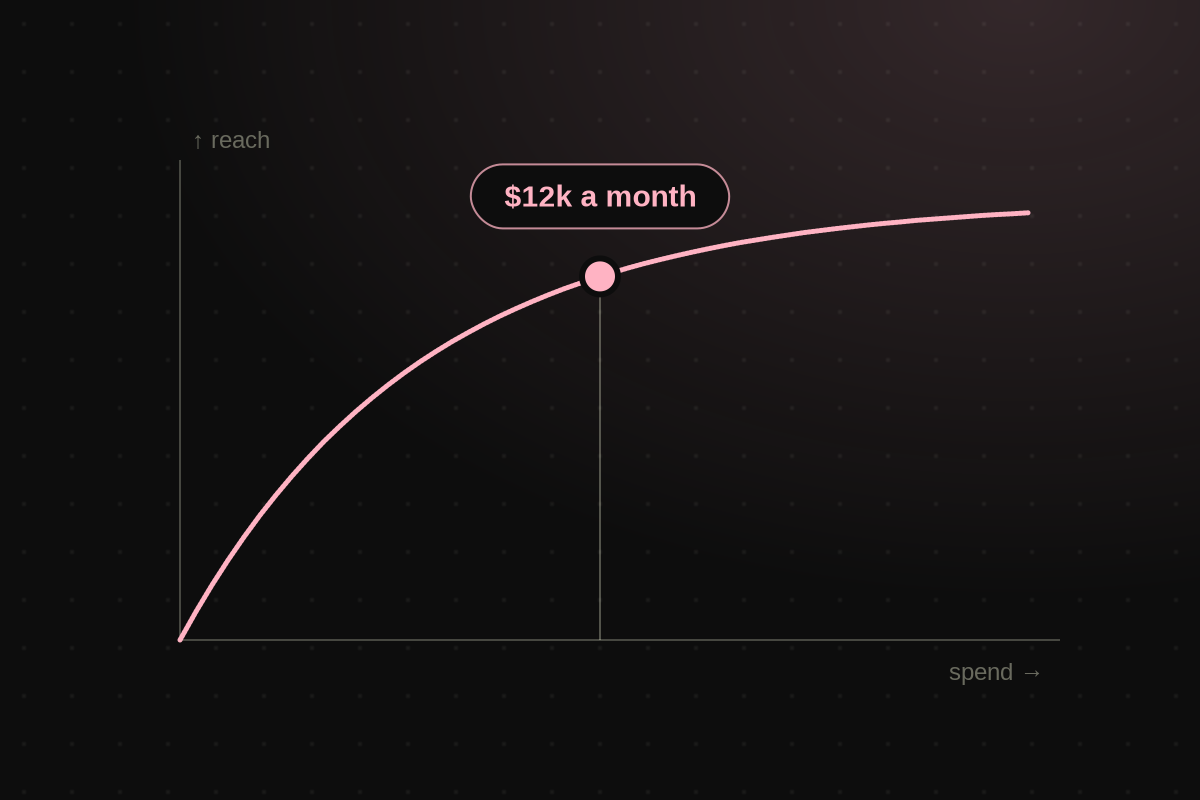
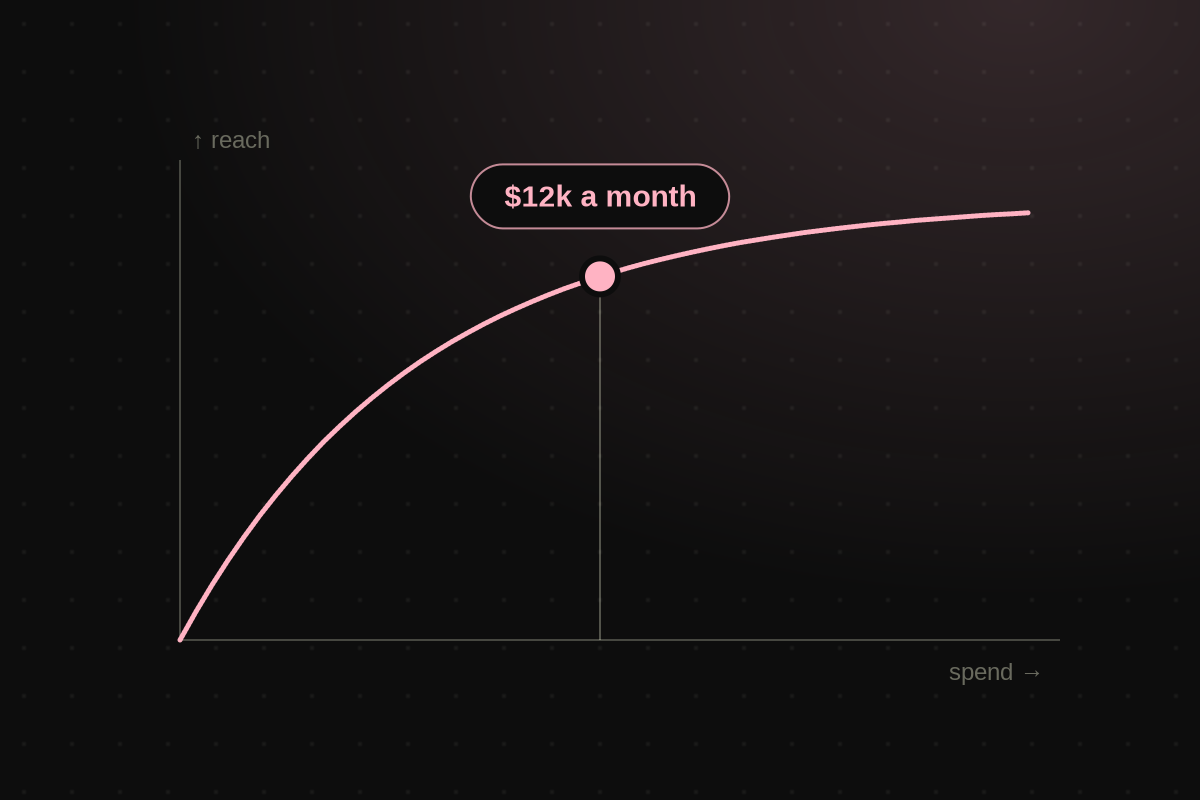
Type the orders you want and what each costs, or drag the budget along the reach curve, to see if it buys enough orders a week for Meta’s delivery to learn.
Budget for 30 days
Learning phase: a new or edited ad set needs about 50 orders in 7 days before Meta’s delivery settles. Until then, results swing and cost more.Enough for 1 ad set$12,000 · $400 a day · 300 orders
That's 70 orders a week, enough for one ad set to reach the 50 a week Meta's delivery needs to leave the learning phase. About 409,954 people see the ads 2.1 times each.
Drag the point along the curve to change the budget. Reach flattens as spend grows, because more of each dollar goes to people who’ve already seen the ads.
- Daily budget
- $400
- Orders a week
- 70
- Impressions
- 857,143
- People reachedReach: different people who see the ads at least once. An estimate that assumes impressions land at random across the audience.
- 409,954 (82% of audience)
- Frequency over 30 daysImpressions ÷ reach: how many times each person sees the ads, on average.
- 2.09
- Spend to test each ad
- $3,000
- Orders per ad
- About 75
- Each ad's CPA is accurate toWith this many orders per ad, its measured cost per order could be off by about this much (95% confidence). Two ads closer than that may be tied.
- ±23%
Reach is an even-spread estimate; Meta concentrates delivery on likely buyers, so real frequency runs higher.



Find trends in your business for free. Ask a question about your store and Replo answers it from every tool you connect.
How to read your number
An ad budget is the orders you want multiplied by what each order costs you in ads. 300 orders at a $40 CPA is $12,000, or $400 a day over 30 days. At a $14 CPM that buys about 857,000 impressions; spread over an audience of 500,000, roughly 410,000 people see the ads about 2.1 times each. Split across 4 ads, each gets $3,000 and about 75 orders, enough to measure its CPA to within about ±23%.
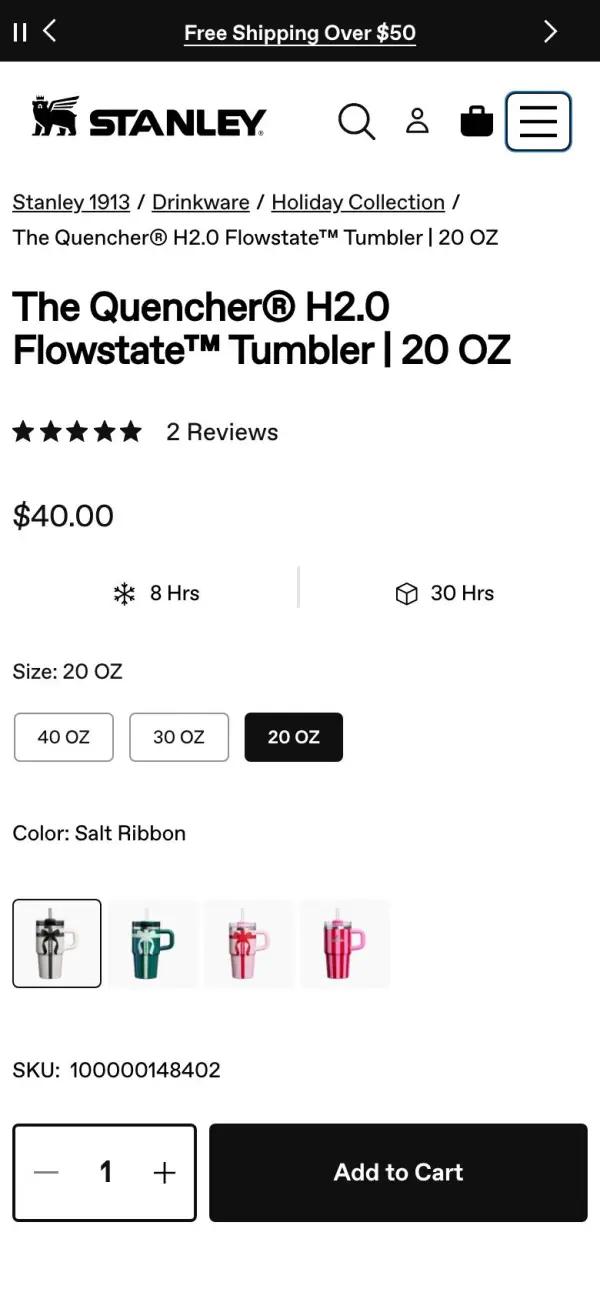
 Stanley 1913
Quencher H2.0 tumbler, 20 oz, $40
Stanley's Quencher sells for $40.00. At an assumed 60% gross margin, each sale leaves $24.00 before ads, so its ads break even at a ROAS of 1.67.
See the live pageWhy it matters
Budgets set from a round number, such as "$5,000 a month", either starve the ad set or burn money on people who've already seen the ad. Starting from orders and CPA ties spend to a goal, and the reach and frequency numbers show when a bigger budget will mostly buy repeat views of the same people.
Every morning
Get your ad budget in a daily report
Replo reads Meta, Google Ads, TikTok, Shopify, Google Analytics 4 and Triple Whale and has your ad budget ready every morning, with what changed since yesterday and why.




Formula
Budget = orders you want × cost per order (CPA)
Daily budget = budget ÷ days. Impressions = budget ÷ CPM × 1,000. Reach is estimated as audience × (1 − e^(−impressions ÷ audience)), which assumes impressions land at random across the audience; frequency = impressions ÷ reach.
New to the term? Read what CPA means.
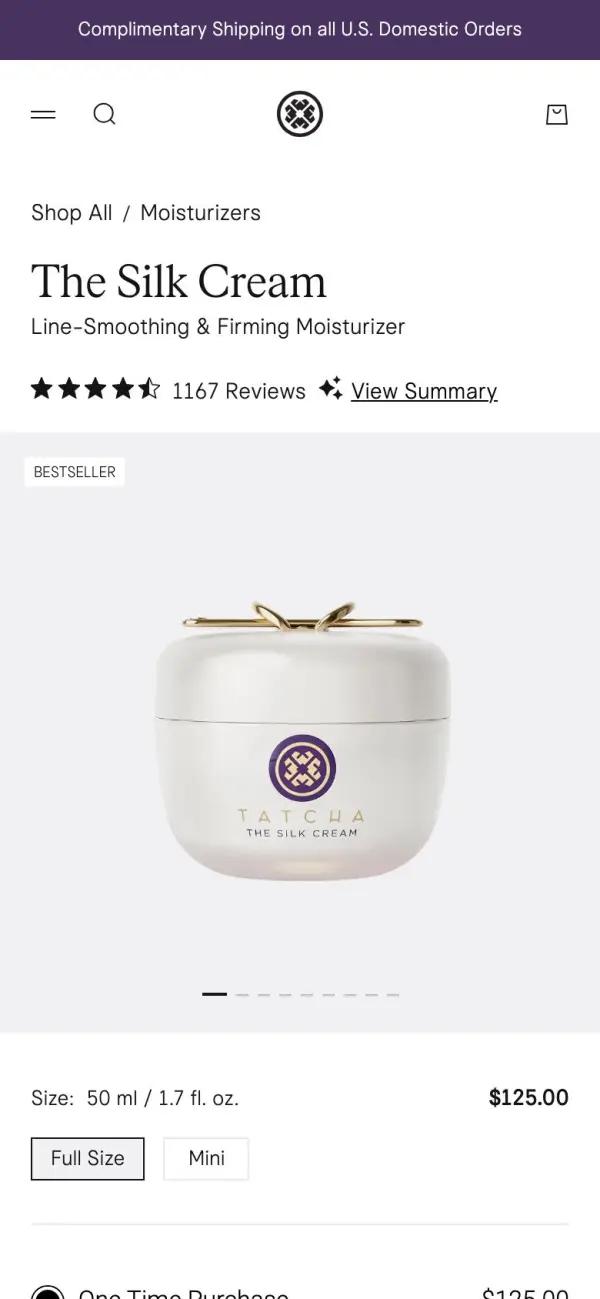
 Tatcha
The Silk Cream, 50 ml, $125
Tatcha's Silk Cream sells for $125.00. At an assumed 60% gross margin, each sale leaves $75.00 before ads, so its ads break even at a ROAS of 1.67.
See the live pageOther ways to calculate Facebook ad budget
- From a revenue goal
- Budget = revenue goal ÷ target ROAS
- When you plan in sales, not orders: $36,000 of revenue at a 3x ROAS needs $12,000. Check your target with the break-even ROAS calculator.
- From a reach goal
- Budget = people to reach × frequency ÷ 1,000 × CPM
- For launches and awareness, when the goal is how many people see the ad, not orders.
- Learning phase floor
- Weekly budget per ad set ≥ 50 × CPA
- On Meta, an ad set needs about 50 optimization events a week to leave the learning phase. Below that, use fewer ad sets or optimize for an earlier event.
- Creative test budget
- Spend per ad = orders needed per ad × CPA; CPA accuracy ≈ ±196 ÷ √orders %
- Before a creative test. 25 orders measure an ad's CPA to about ±39%, 100 orders to about ±20%.

 Lodge Cast Iron
11 inch enamel cast iron skillet, $49.90
Lodge's enamel skillet sells for $49.90. At an assumed 60% gross margin, each sale leaves $29.94 before ads, so its ads break even at a ROAS of 1.67.
See the live pageHow much should you spend on Facebook ads?
Start from what you want out, not from a round number. Decide the orders you need, take your cost per order from the last 30 days, and multiply. That's the budget at today's efficiency; it usually rises as you spend more, because the cheapest buyers are reached first.
Then check two floors. Each ad set should get roughly 50 orders a week, or Meta's delivery stays in the learning phase. And each ad you test needs enough orders to tell it apart from the others, which is the per-ad spend the calculator shows.
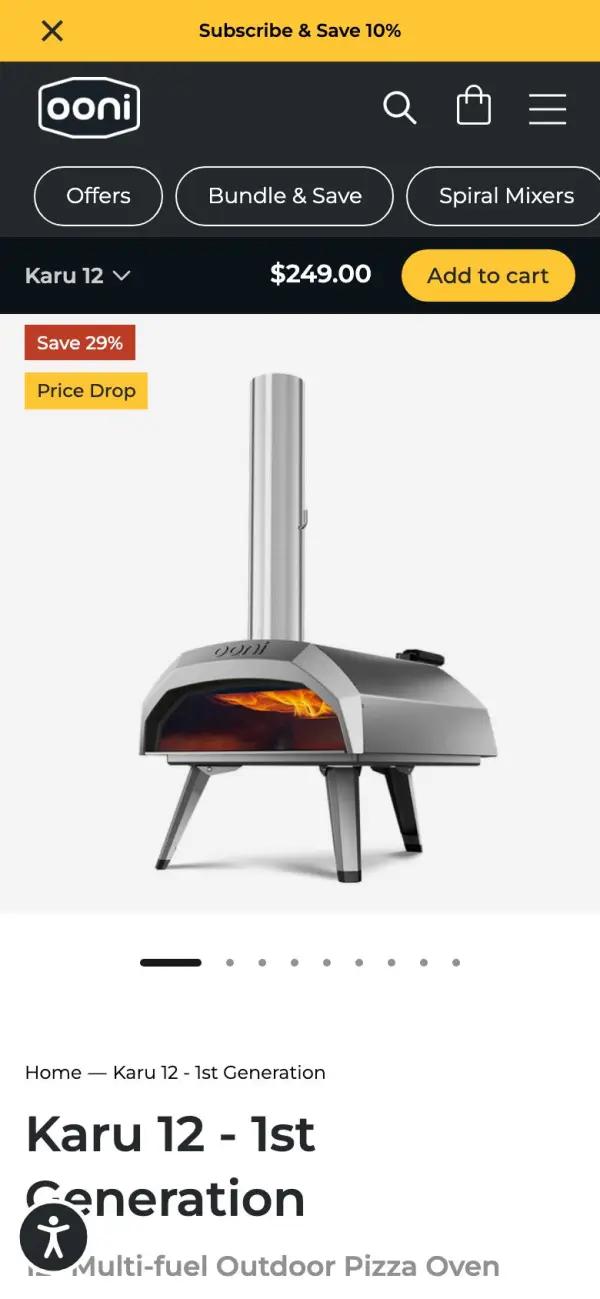
 Ooni
Karu 12 pizza oven, $249
Ooni's Karu 12 sells for $249.00. At an assumed 60% gross margin, each sale leaves $149.40 before ads, so its ads break even at a ROAS of 1.67.
See the live pageReach and frequency, explained
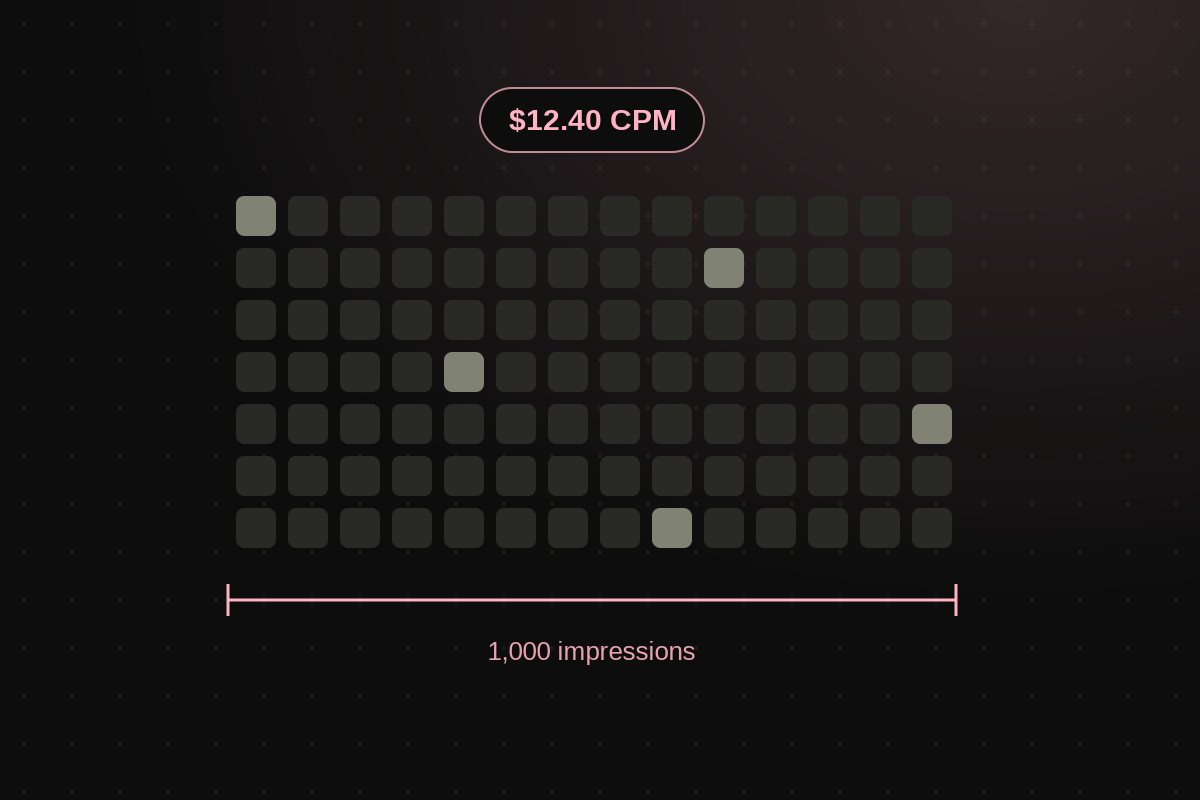
- Impressions are every time an ad is shown: budget ÷ CPM × 1,000.
- Reach is how many different people saw it at least once.
- Frequency is impressions ÷ reach: the average number of times each person saw it.
- Saturation is reach as a share of the audience. As it climbs, more of each new dollar goes to people who've already seen the ad, so frequency rises and CPA tends to follow.
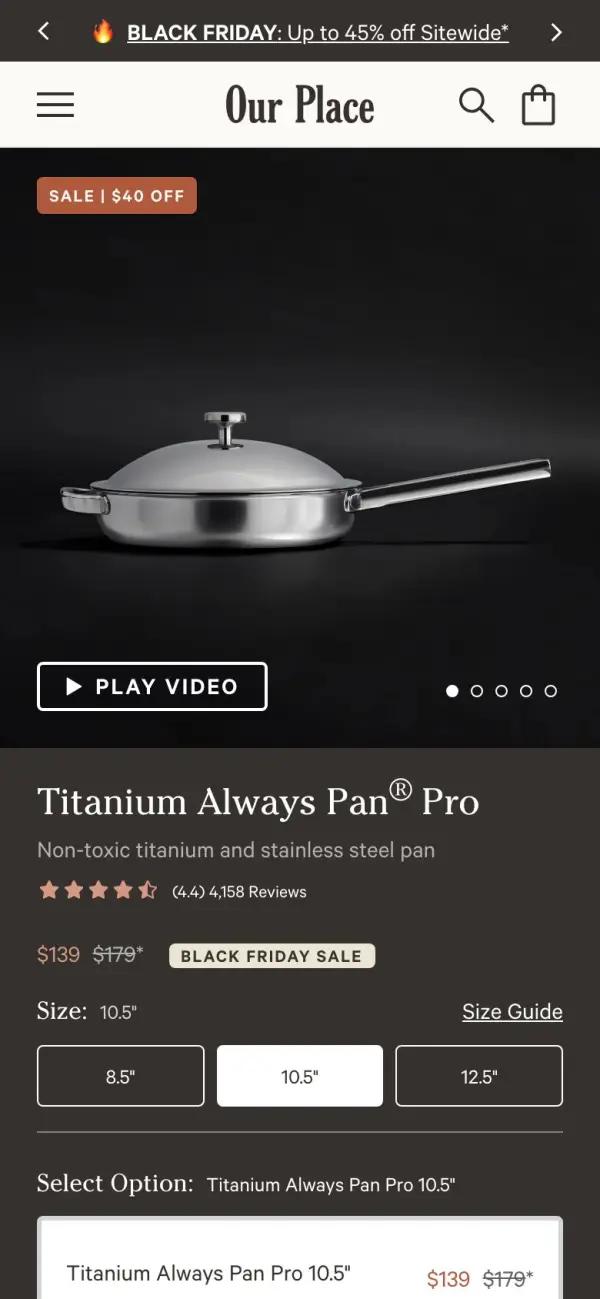
 Our Place
Titanium Always Pan Pro, 10.5 inch, $139
Our Place's Always Pan sells for $139.00. At an assumed 60% gross margin, each sale leaves $83.40 before ads, so its ads break even at a ROAS of 1.67.
See the live pageWhen is the best time to run Facebook ads?
For most stores the best time is all the time, with the budget left to Meta. Its delivery already moves spend toward the days with more chances to get results: Meta may spend up to 75% over your daily budget on a strong day, while spend over a week stays at no more than seven times the daily budget. Cutting ads to a few hours you picked takes those chances away.
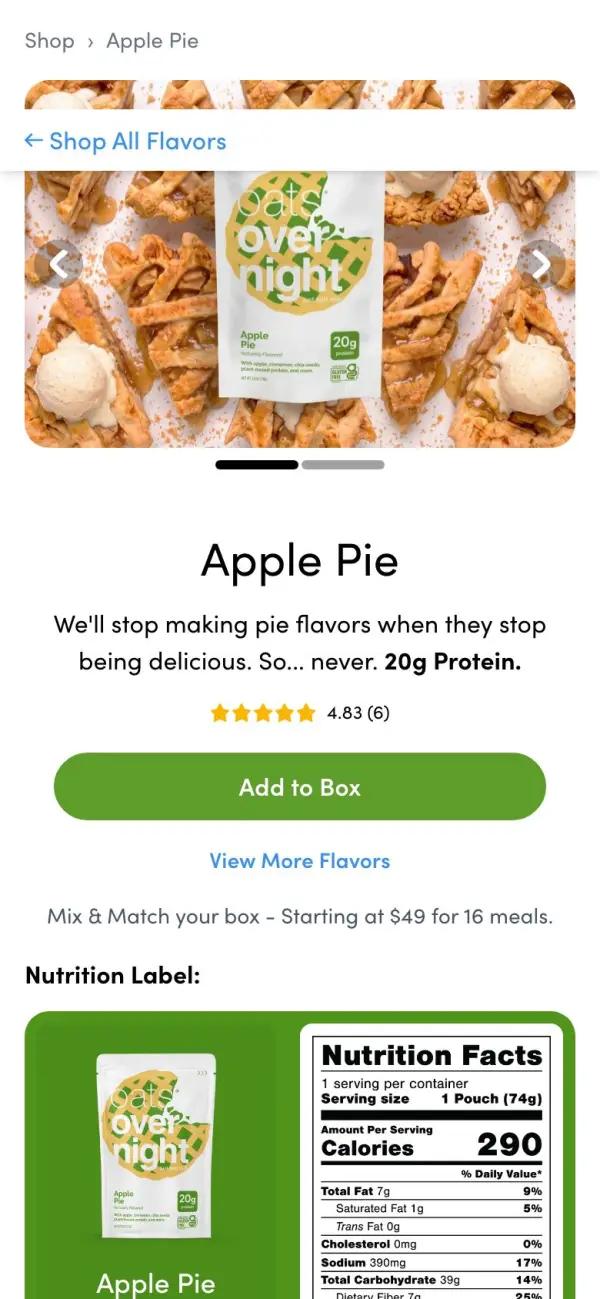
 Oats Overnight
Mix-and-match oatmeal box, 16 meals, $49
Oats Overnight's 16-meal oatmeal box sells for $49.00. At an assumed 60% gross margin, each sale leaves $29.40 before ads, so its ads break even at a ROAS of 1.67.
See the live pageAds Manager can run an ad set only on chosen days and hours, in your ad account's time zone or each viewer's. Use it when your own numbers show hours that never turn into orders, or when the ad promises something only true at certain times, such as live chat or same-day delivery. Compare a few weeks before and after, since each change can send the ad set back into learning.
Timing matters more for launches. A new ad set needs about 50 orders in 7 days to leave the learning phase, and big edits restart it, so start sale or holiday ads a week or two before the peak rather than on the day, and avoid changing them during it.
The ad
Tatcha
Sponsored ·
Smooth the look of wrinkles for silky-soft skin. The Silk Cream nourishes & strengthens for an improved skin barrier.

tatcha.com
The Silk Cream
The page it opens
TatchaA real ad and the page it opens. Tatcha's Silk Cream sells for $125.00. At an assumed 60% gross margin, each sale leaves $75.00 before ads, so its ads break even at a ROAS of 1.67.
See the ad in Meta’s Ad LibrarySee the live pageHow to calculate Facebook ad budget: a worked example
A coffee brand wants 300 orders from Meta over 30 days. Its CPA is $40, its CPM is $14, its audience is about 500,000 people and it wants to test 4 new ads.
- Budget = 300 × $40 = $12,000; daily budget = $12,000 ÷ 30 = $400
- Orders a week = 300 ÷ (30 ÷ 7) = 70, above the 50 one ad set needs
- Impressions = $12,000 ÷ $14 × 1,000 = 857,143
- Reach ≈ 500,000 × (1 − e^(−857,143 ÷ 500,000)) = 409,954 people, 82% of the audience
- Frequency = 857,143 ÷ 409,954 = 2.09
- Per ad: $12,000 ÷ 4 = $3,000 for about 75 orders; CPA accurate to about ±196 ÷ √75 = ±23%
The budget reaches 82% of the audience, so doubling it would mostly buy second and third views. To grow beyond 300 orders, widen the audience before raising spend.
The ad

Stumptown Coffee Roasters
Sponsored ·
Sweet spice, silky chocolate-covered orange, and a lush brown sugar finish walk into a holiday blend. It's Evergreen Season.

stumptowncoffee.com
Evergreen Is for Everyone
The page it opens
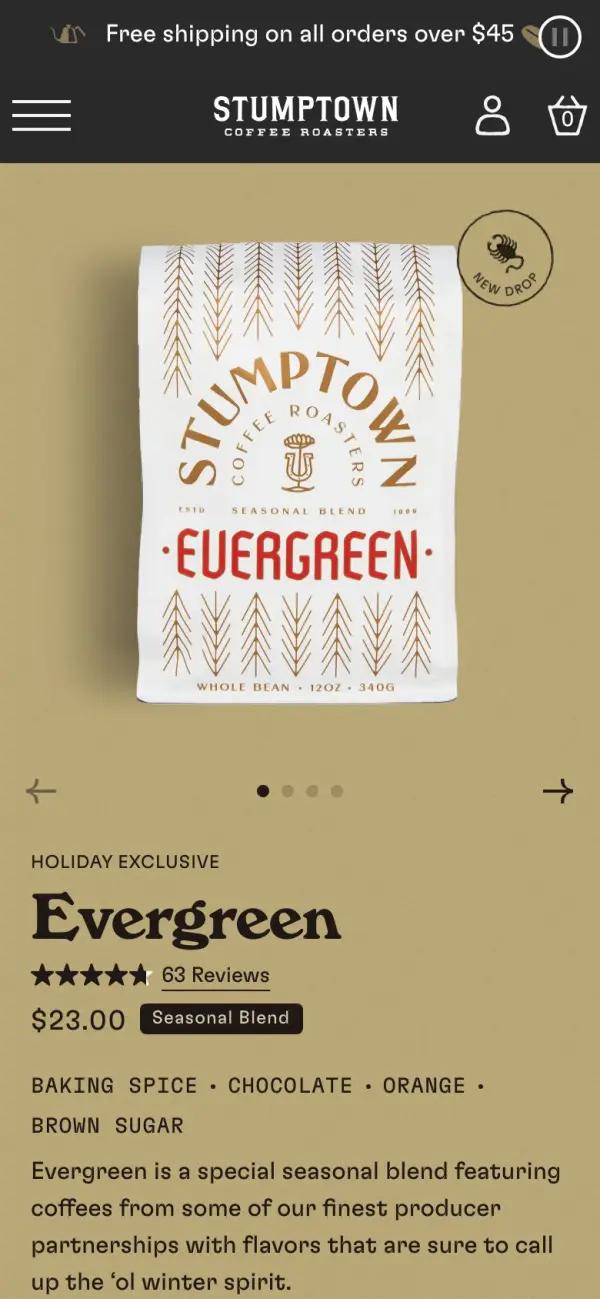 Stumptown Coffee Roasters
A real ad and the page it opens. Stumptown's Evergreen sells for $23.00. At an assumed 60% gross margin, each sale leaves $13.80 before ads, so its ads break even at a ROAS of 1.67.
See the ad in Meta’s Ad LibrarySee the live pageWhat's a good ad frequency?
There's no single right number: it depends on how often people need to see an ad before they buy, and how fast it wears out. Watch the trend instead. If frequency rises week over week while click-through rate falls and CPA climbs, the audience has seen enough of that ad; refresh the creative or widen the audience.
For tests, more orders per ad means a clearer answer. With 75 orders an ad's CPA is known to about ±23%, so two ads whose CPAs differ by less than that may just be noise. Compare finished tests properly with the statistical significance calculator.
Orders per ad and how precisely they measure its CPA
| Orders per ad | CPA accurate to about | Spend per ad at a $40 CPA |
|---|---|---|
| 10 | ±62% | $400 |
| 25 | ±39% | $1,000 |
| 50 | ±28% | $2,000 |
| 100 | ±20% | $4,000 |
| 200 | ±14% | $8,000 |
| 400 | ±10% | $16,000 |
Do it with Replo
Track spend, frequency and CPA every week
Replo reads your ad accounts and store, then sends spend, frequency and CPA by campaign on the schedule you set.
Questions about Facebook ad budget
Multiply the orders you want by your cost per order. 300 orders at a $40 CPA is a $12,000 budget, or $400 a day over 30 days. If you plan in revenue, divide the revenue goal by your target ROAS instead.
Enough for each ad set to get about 50 conversions a week, which is when Meta's delivery leaves the learning phase. That's roughly 50 × your CPA ÷ 7 a day: about $286 a day at a $40 CPA.
Frequency is impressions divided by reach: 857,143 impressions reaching 409,954 people is a frequency of 2.09. Ads Manager reports it for any date range, and it climbs as more of your audience has already seen the ad.
Enough for the ad to get the orders you need to judge it, times your CPA. 25 orders tell you its CPA to about ±39%; 100 orders to about ±20%. At a $40 CPA that's $1,000 or $4,000 per ad.
All day, every day, for most stores: Meta's delivery already spends more on the days it expects better results, up to 75% over your daily budget on a strong day. Schedule hours only when your own data shows times that never convert, and start sale ads a week or two early so they're out of the learning phase by the peak.
At least $25 a day per campaign in the US, the minimum OpenAI sets. Click campaigns start at the $3 to $5 maximum bid OpenAI suggests, so $25 a day buys at least 5 clicks at a $5 bid. The same orders × CPA math works once you know your cost per order; see ChatGPT ads costs.
Meta reaches the most likely buyers first. As spend grows it has to reach less likely ones, and more impressions go to people who've already seen the ad, so each order costs more. Widening the audience or adding new creative slows that.