Business plan template
Pick your business, from a candle brand to a cleaning service, and answer a few questions. You get a full plan with its steps, first 30 days and startup costs already filled in from our guide to that business. Copy it into Google Docs or download it for Word, free and with no signup.
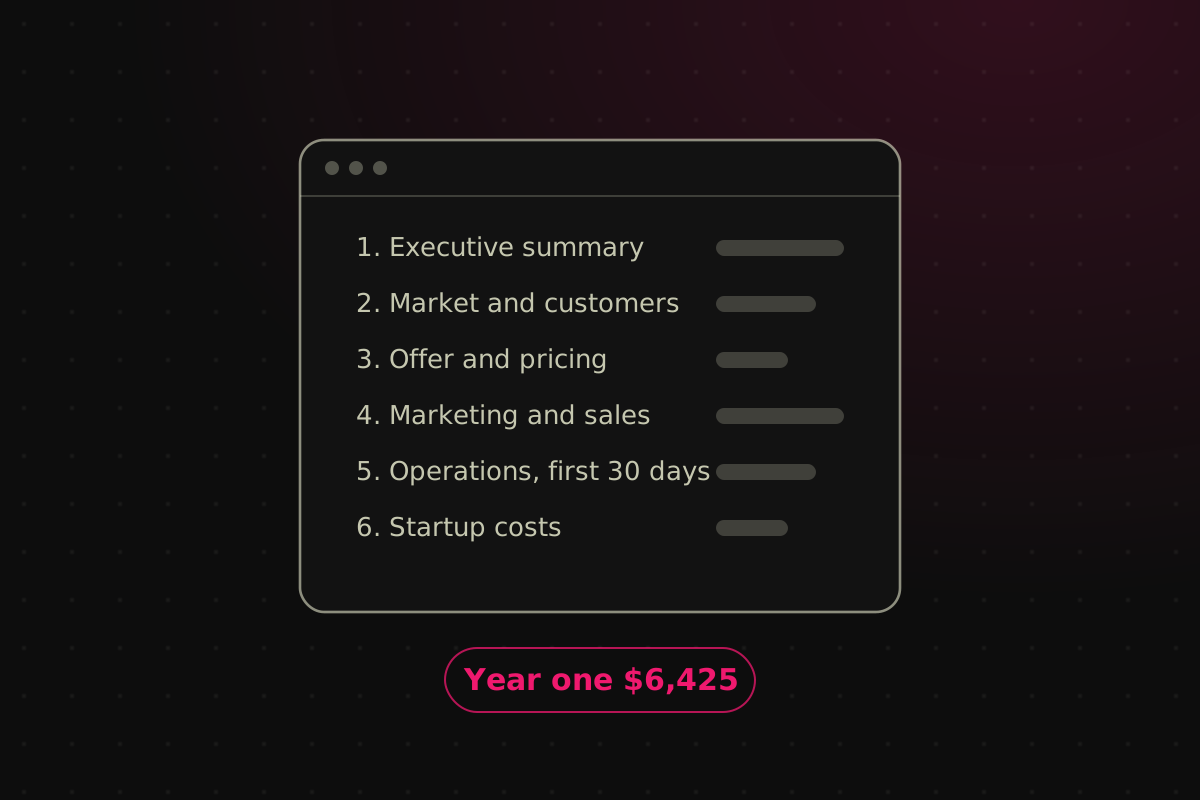
Pick your business and answer a few questions. The plan fills in its steps, 30-day plan and startup costs from our guide to that business, and your price and sales give it first-year numbers.
Your plan
[Business name]: business plan for an online business
Executive summary
[Business name] is a new online business in [city or area], selling [what you sell] to [who it's for].
It opens for $11 up front, then $29–$39 a month.
[Add your price and sales a month to fill in year one.]
The first 30 days: pick the offer and test it, then register and set prices, then build the store, then launch to your list.
The business
- What it is: an online business selling [what you sell]
- Where: [city or area]
- Structure: Sole proprietorship to start, with a free EIN from the IRS; form an LLC once there's revenue or risk worth protecting.
- Startup cost: About $12–$50 for month one
- First sale in: Week 4 of the plan below
- Hardest part: Finding your first ten buyers
Owner: [your name, and the experience that makes you good at this].
Market and customers
- Customers: [who it's for]
- What they buy today: [three businesses your customers already use]
- What those businesses get wrong: [the complaint that shows up in their reviews]
- Why they'll buy from you: [the one thing you do better]
Offer and pricing
- What you sell: [what you sell]
- Price: [price per sale]
- Cost to make or deliver one: [materials or product cost per sale]
[Each sale keeps: price, minus cost per sale, minus fees on each sale.]
Marketing and sales
Every channel sends people to one site with prices, proof and a way to buy.
- Instagram and TikTok posts that show the product in use
- Friends, family and their friends for the first orders and reviews
- A small test ad budget once one product page sells
- Ads: [monthly budget, or none until the first sales come in]
Operations and first 30 days
How the business opens, from Replo's guide to starting an online business:
- Choose a model you can run
- Pick one offer for one buyer
- Check the name is free
- Set up the legal basics
- Price from real costs
- Build a store that sells one thing well
- Find your first ten buyers
The first 30 days:
- Week 1, pick the offer and test it: Write your one-line offer: who it's for, what it is, why it's better. Post the offer where your buyers gather and collect waitlist emails. Search the name on USPTO, then check the .com and social handles.
- Week 2, register and set prices: Get a free EIN from the IRS and check your state's license rules. Register to collect sales tax if your state taxes what you sell. List every cost per sale and set a price that leaves a profit.
- Week 3, build the store: Buy the domain and start the store plan's trial. Build the homepage, one product page, and a shipping and returns page. Place a test order yourself and fix anything that confuses you.
- Week 4, launch to your list: Email the waitlist with the launch link and a reason to buy now. Post in one channel your buyers use and send everyone to one page. Read the heatmap after the first hundred visits and fix the weakest section.
Startup costs
| What you pay for | First year |
|---|---|
| Store plan (Shopify Basic) | $348–$468 ($29–$39 a month) |
| Domain name (.com) | $11 |
| EIN from the IRS | $0 |
| First year, before fees on sales | $359–$479 |
Prices are from Replo's online business guide, each linked to the supplier, platform or government page that sets it. Your city's permits and insurance quotes come on top. Any stock here is the first batch, which cost per sale counts again, so the plan errs high.
First-year numbers
[Add your price, cost per sale and sales a month to fill in sales, profit and break-even.]
The plan says every channel sends people to one site. Replo builds that site from a description, free to start.
What is a business plan?
A business plan is a short document that says what the business sells, to whom, how it finds customers, what it costs to open and when it makes money. Banks and investors ask for one, but its first reader is you: writing the numbers down shows whether the price covers the costs before you spend anything.
Why it matters
Most templates hand you empty headings. This one starts from a priced list: on the candle example below, the plan already knows a first batch of supplies costs $141 and a Texas LLC $300, so the only numbers left to you are the ones only you know, your price and how many you'll sell.
AI store builder
Launch your store for free
Replo builds your store with checkout already working, so you can take orders on day one. Worked out from Shopify.

Formula
Year-one profit = sales − cost of each sale − fees − startup and running costs
Sales = price × sales a month × 12. Cost of each sale is your materials or product. Fees are what each payment costs, such as Stripe's 2.9% + 30¢. Startup and running costs are the business's priced list from its guide, an LLC if you form one, and your ad budget.
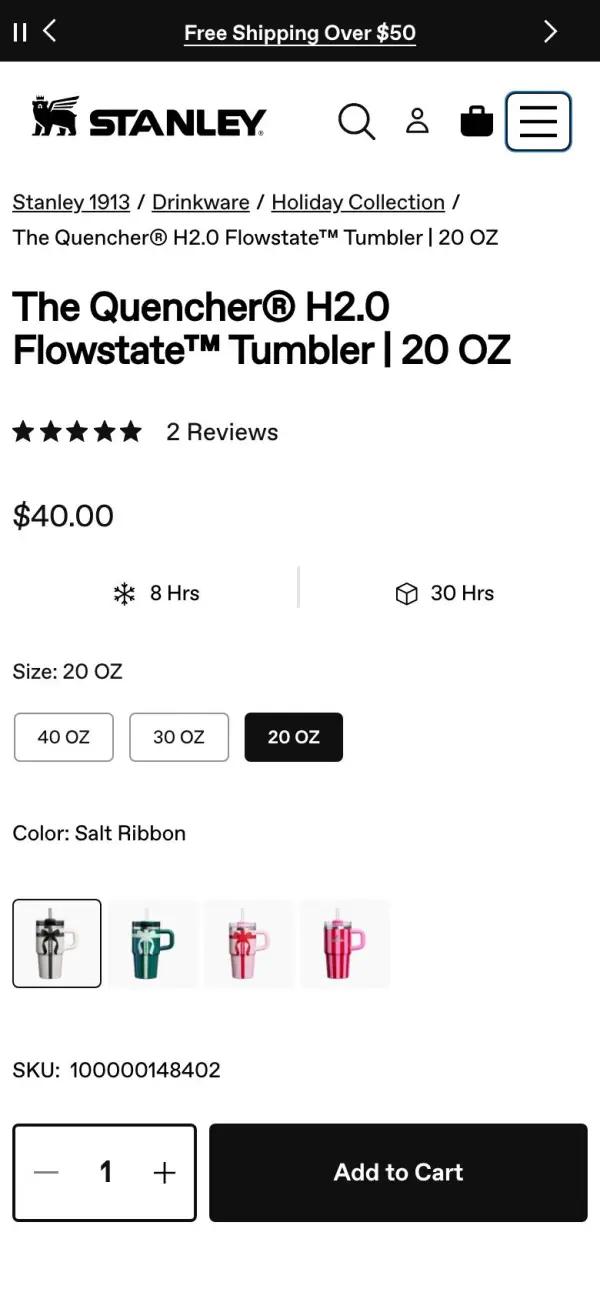
 Stanley 1913
Quencher H2.0 tumbler, 20 oz, $40
Stanley's Quencher sells for $40.00. A hundred units on the shelf are $4,000 of stock at retail, cash that comes back only as they sell.
See the live pageThree kinds of business plan
- Traditional plan
- Executive summary, company description, market analysis, organization and management, product or service, marketing and sales, funding request, financial projections
- When a bank or investor will read it. The SBA lists these sections; it runs long and asks for detailed projections.
- Lean plan
- Partners, activities, resources, value, customer relationships, customer segments, channels, costs, revenue
- When you're testing an idea and want it on one page. The SBA's lean format fits each of these nine in a box.
- This template
- Summary, the business, market, offer and pricing, marketing, operations and first 30 days, startup costs, first-year numbers
- When you're opening a small business this year and need the plan to tell you what to buy and what to charge. It's the traditional plan's order with the funding request left out, and the costs filled in.
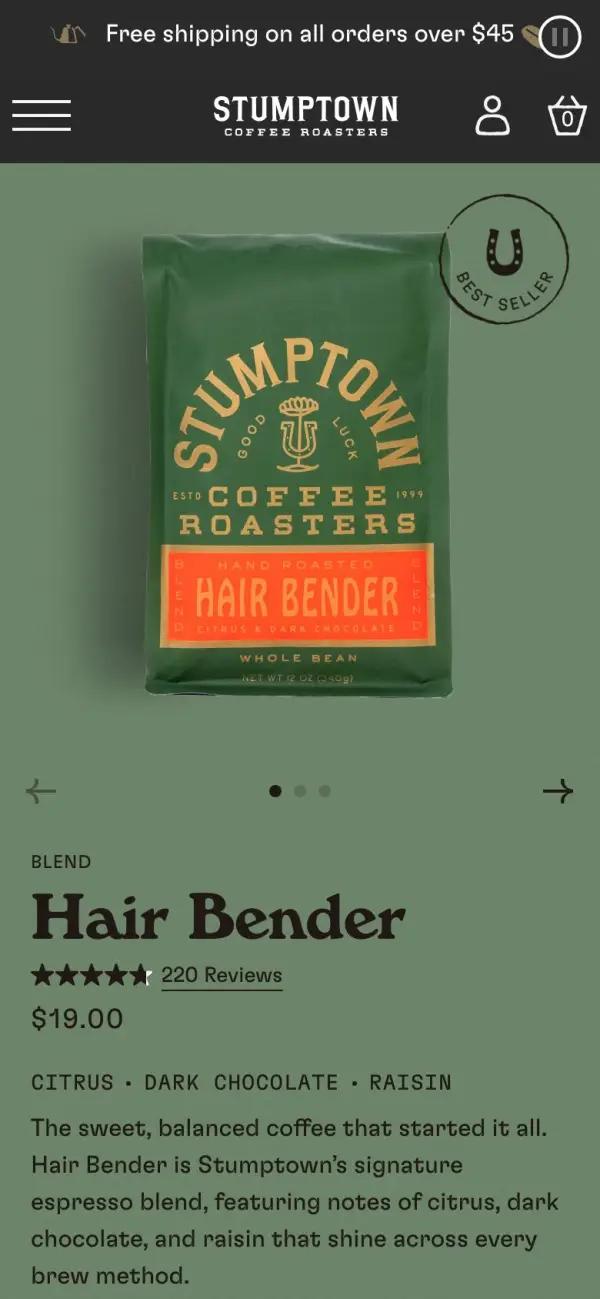
 Stumptown Coffee Roasters
Hair Bender coffee, 12 oz, $19
Stumptown's Hair Bender sells for $19.00. A hundred units on the shelf are $1,900 of stock at retail, cash that comes back only as they sell.
See the live pageWhat goes in each section
- Executive summary: what you sell, to whom, what it costs to open and what year one should bring in. Write it last, from the sections below.
- The business: where it runs, how it's set up (a sole proprietor or an LLC) and the facts that shape it, such as the hardest part.
- Market and customers: who buys, what they use today, and the complaint in competitors' reviews you'll fix.
- Offer and pricing: the price, the cost to make or deliver one, and what each sale keeps after fees.
- Marketing and sales: where your first customers come from, and the one site every channel sends them to.
- Operations and first 30 days: the steps to open, week by week, from our guide to the business.
- Startup costs: every item priced from the page that sells it, plus an LLC and ads.
- First-year numbers: sales, costs, profit and the sales a month that break even.
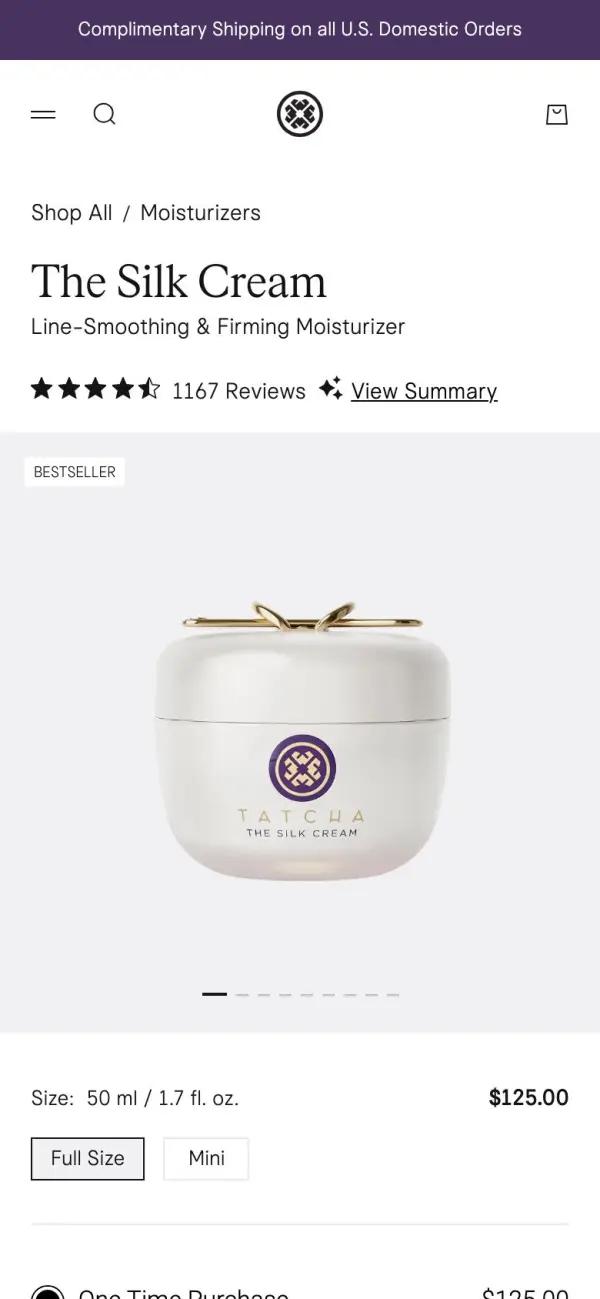
 Tatcha
The Silk Cream, 50 ml, $125
Tatcha's Silk Cream sells for $125.00. A hundred units on the shelf are $12,500 of stock at retail, cash that comes back only as they sell.
See the live pageA worked example: a candle business in Austin
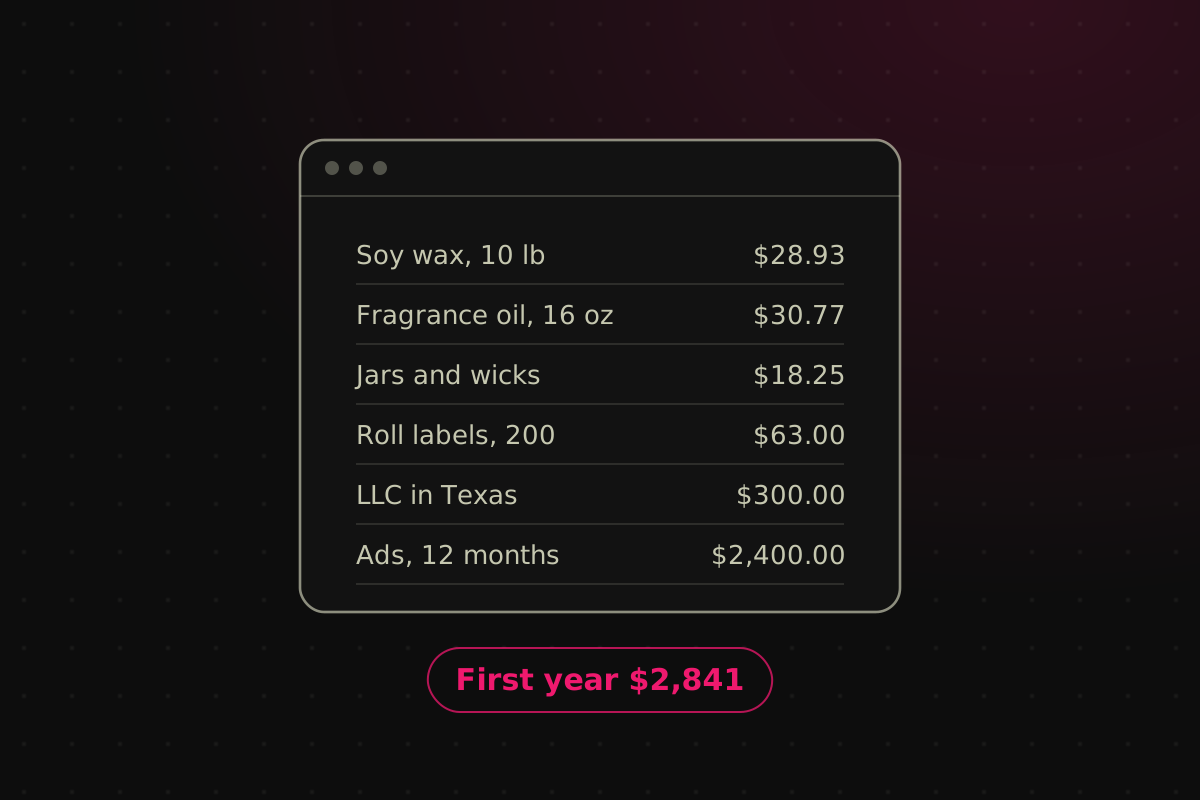
A candle maker in Austin sells hand-poured soy candles. The plan loads the candle guide's first batch of supplies; the maker adds an LLC in Texas, $200 a month of ads, and two numbers of their own: a $24 price and 40 sales a month. Materials come to $3.70 a candle, from the guide's supply prices.
- Startup costs: $140.95 of supplies and the $300 Texas LLC make $441 up front; with $2,400 of ads, $2,841 for the year.
- Each sale: $24 − $3.70 in materials − $1.00 in Stripe fees (2.9% + 30¢) keeps $19.
- Sales: 40 a month for 12 months is 480 candles, or $11,520.
- Costs of those sales: $1,776 in materials and $478 in fees.
- Year one: $11,520 − $1,776 − $478 − $2,841 = $6,425.
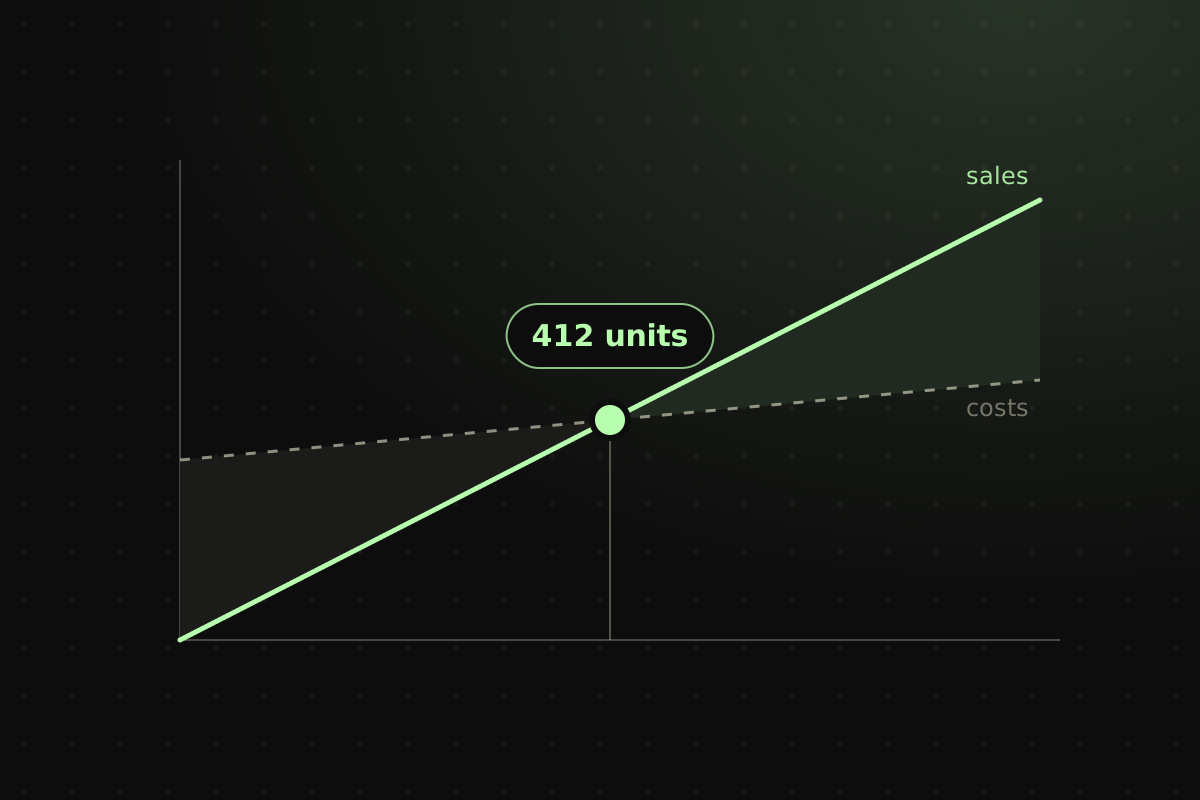
The plan ends year one at $6,425 before the owner's pay and taxes, and breaks even on its monthly bills at 11 candles a month. Change the price or sales in the template and every section moves with it.
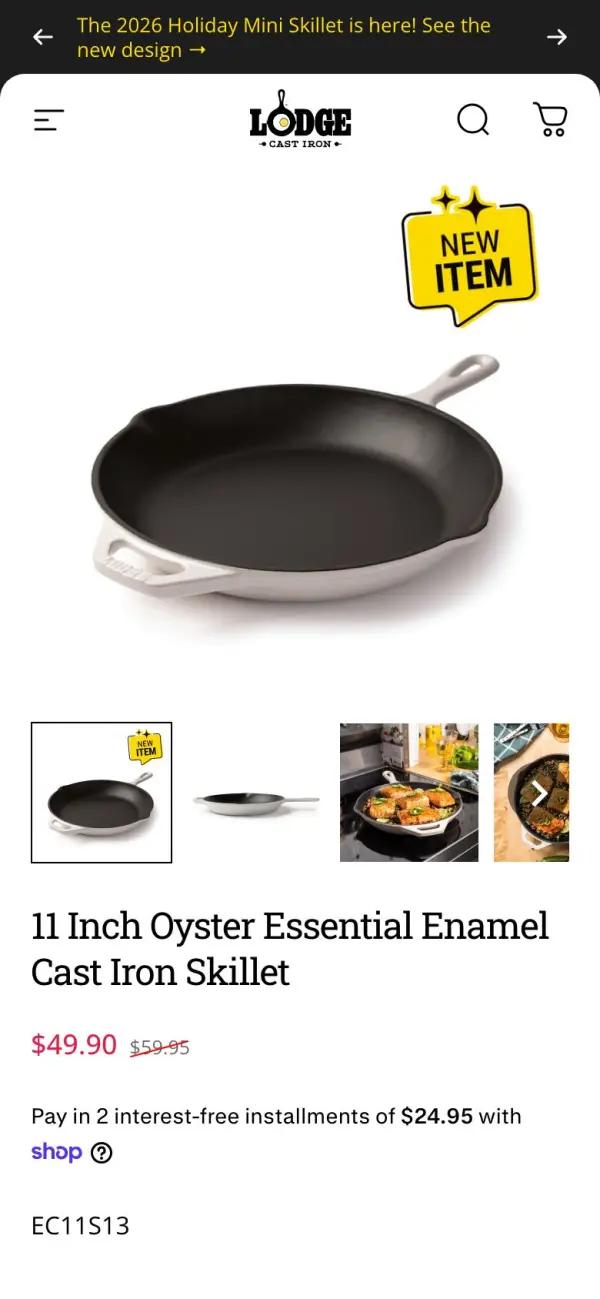
 Lodge Cast Iron
11 inch enamel cast iron skillet, $49.90
Lodge's enamel skillet sells for $49.90. A hundred units on the shelf are $4,990 of stock at retail, cash that comes back only as they sell.
See the live pageWhat makes a good business plan?
A good plan fits on a few pages and every number in it has a source: a supplier's price page, a state fee schedule, or your own count of what you sold last month. A plan built on guesses can't tell you whether to open.
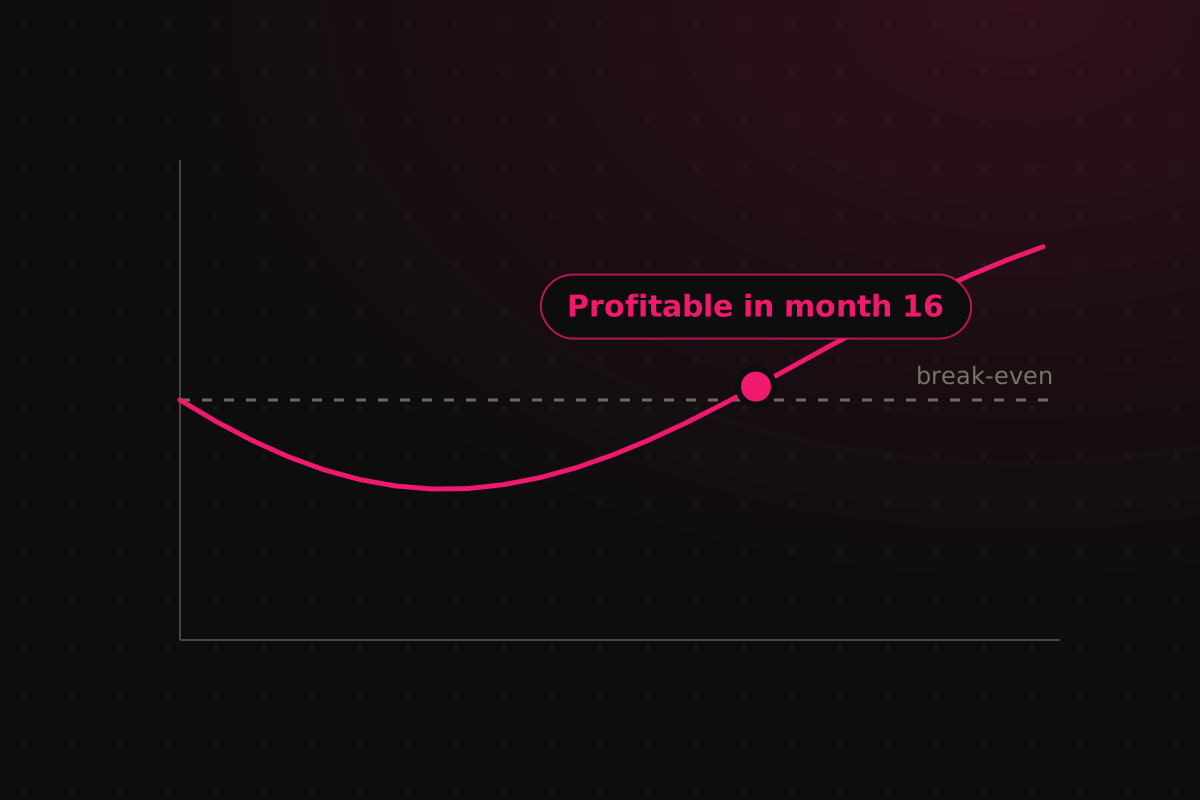
It also names the one number that decides the year. In the example, that's sales a month: at 11 candles the bills are paid, and every candle after that keeps $19. Your plan's version of that number is the one to check every week once you open.
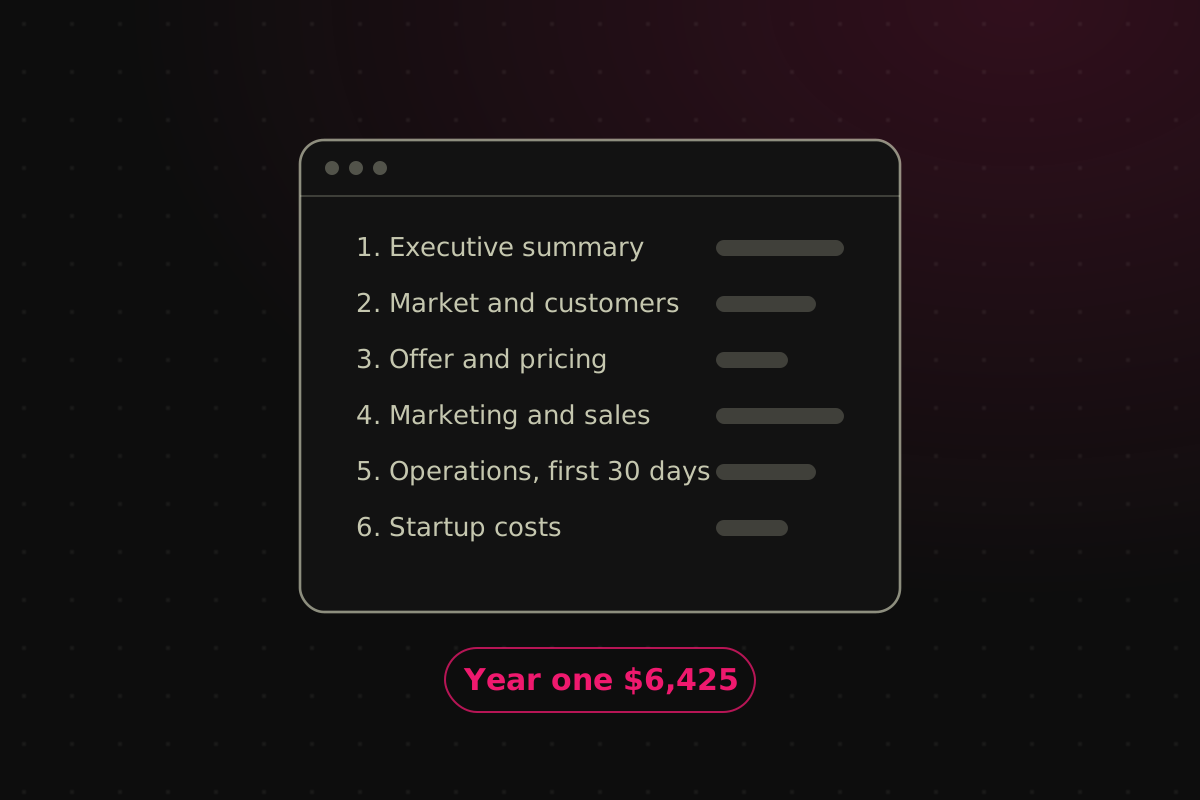
| Section | What it answers | Filled in from |
|---|---|---|
| Executive summary | What, for whom, and does it pay | Every section below |
| The business | Where it runs and how it's set up | Your answers, the LLC fee for your state, the guide's facts |
| Market and customers | Who buys, and why from you | Your answers |
| Offer and pricing | What each sale keeps | Your price and cost, the business's payment fees |
| Marketing and sales | Where the first customers come from | The channels that fit the kind of business |
| Operations and first 30 days | What to do, week by week | The guide's steps and 30-day plan |
| Startup costs | What it costs to open | The guide's priced list, as in the startup cost calculator |
| First-year numbers | Profit and break-even | Your price, cost and sales against the costs |
Do it with Replo
Build the site your plan points to
Every channel in the plan sends people to one site. Describe the business and Replo builds it, with your prices and a way to buy or book. It costs nothing to start.
Start the plan for your business
- Sell products online: clothing brand, online business, dropshipping business, ecommerce business, jewelry business, t-shirt business, print on demand business, candle business, sticker business, skincare line.
- Food and drink: vending machine business, coffee business, food truck business, catering business, bakery business.
- Home and local services: cleaning business, landscaping business, lawn care business, laundromat business, car detailing business, pressure washing business, handyman business, painting business.
- Skills and people: photography business, consulting business, bookkeeping business, dog walking business, tutoring business, daycare business, trucking business.
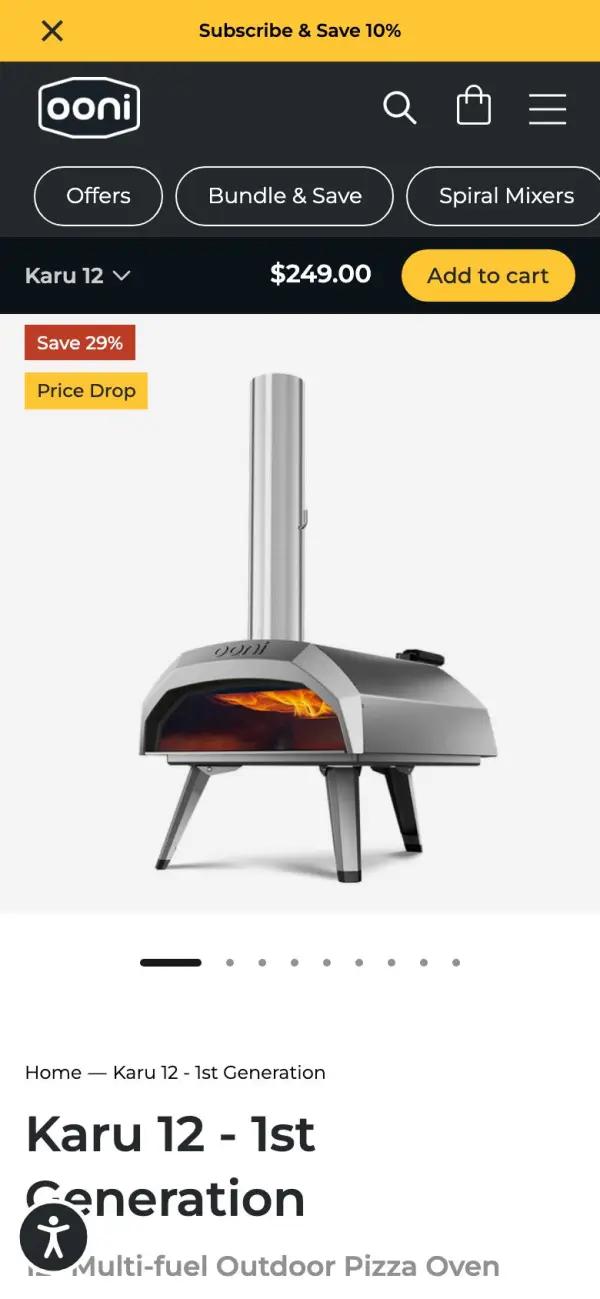
 Ooni
Karu 12 pizza oven, $249
Ooni's Karu 12 sells for $249.00. A hundred units on the shelf are $24,900 of stock at retail, cash that comes back only as they sell.
See the live pageEach link opens the template on that business. For the whole walkthrough, read how to write a business plan.
Questions about business plans
Yes. It runs in your browser with no signup. Copy the plan into Google Docs or Word with its headings, or download it as a Word file. Nothing you type is sent anywhere.
As long as its reader needs. A plan for yourself or a small loan fits on 3 to 5 pages, like the one this template makes. A traditional plan for investors runs longer, with detailed projections and a funding request.
An executive summary, a description of the business, the market and customers, the offer and pricing, marketing and sales, operations, startup costs and financial projections. Investor plans add a management team and a funding request.
It can draft the words, but it will guess the numbers. This template fills in startup costs from priced supplier, platform and state fee pages, so paste its plan into ChatGPT if you want help rewording it, and keep the numbers.
No. Forming an LLC takes a filing with your state and a fee, such as $50 in Colorado or $300 in Texas, and no state asks for a plan. Banks and SBA lenders usually do ask for one before a loan.
Pick the closest one and change what doesn't fit: the steps and costs carry over between similar businesses, such as lawn care and landscaping. The sections, your answers and the first-year numbers work for any business.