Landed cost calculator
Landed cost is what one unit really costs once it reaches your warehouse: supplier price plus freight, insurance, duty and fees. Stack every cost into one bar, drag any cost or your price, and see the margin left. Paste a mixed shipment to split freight across products.
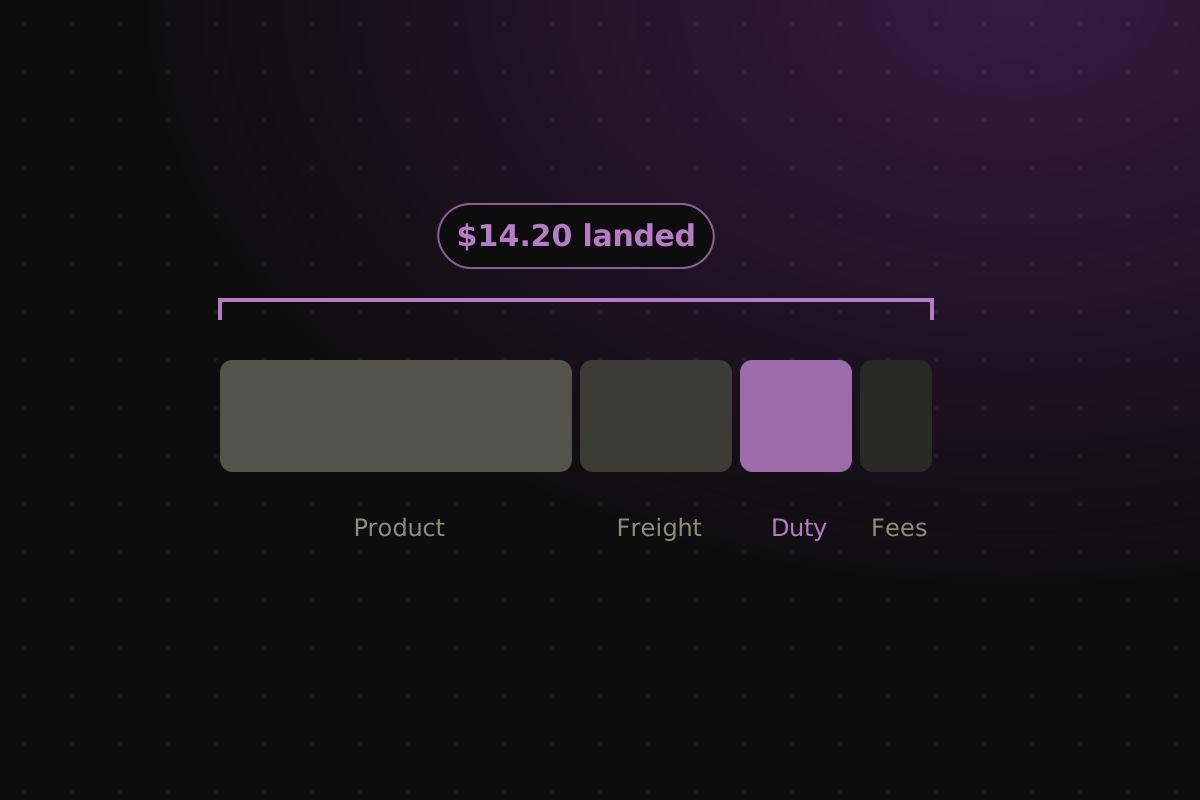
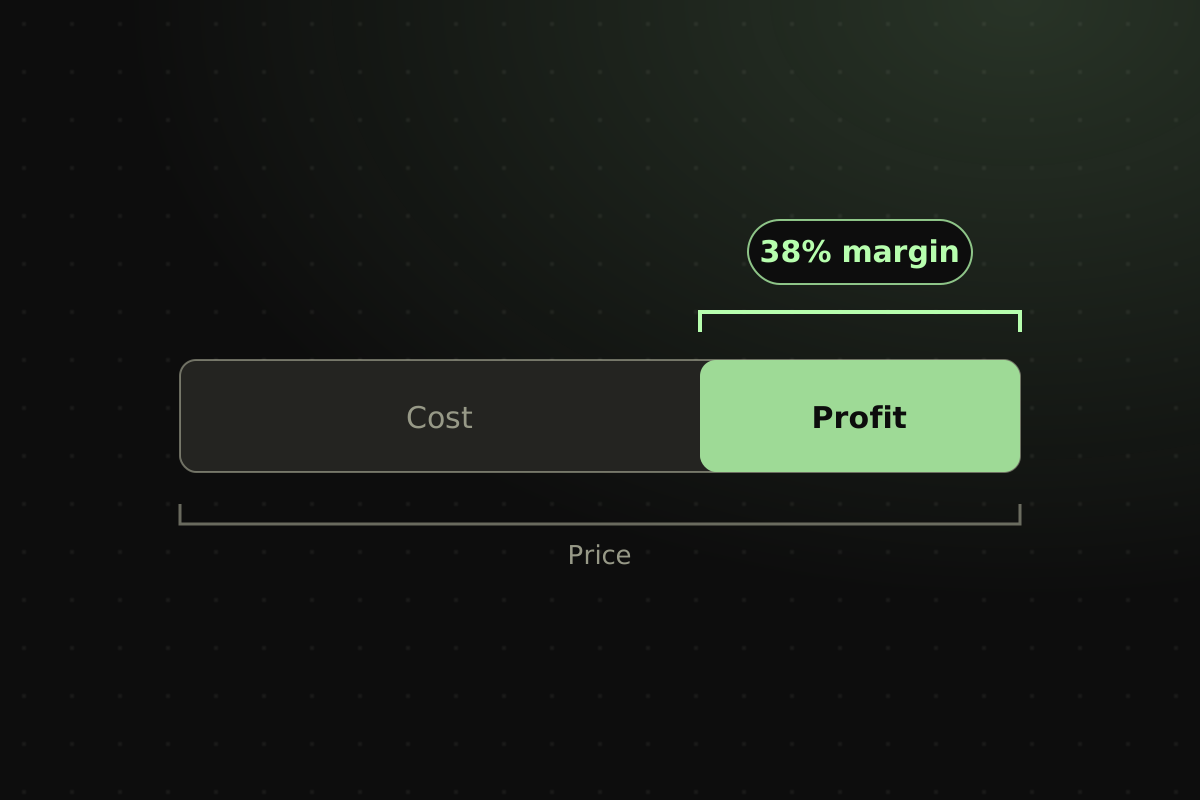
One unit’s cost, built up from $0: product, then freight, insurance, duty and fees. The green marker is your price; the gap is what’s left.
Landed $6.60 · price $30.00 · $23.40 profit
Drag the handle after any cost to change it, or the green marker to reprice.
Landed cost per unitEverything one unit costs by the time it reaches your warehouse: supplier price plus its share of freight, insurance, duty and fees.
$6.60
78% marginGross margin: the share of the selling price left after the landed cost. Most DTC stores aim for 50–70%.Getting each unit to you adds $1.60 to the $5.00 supplier price, a landed cost factor of 1.32. At $30.00, gross margin is 78.0% landed, against 83.3% on the supplier price alone.
- Landed cost factorLanded cost divided by the supplier price: 1.32 means every $1 paid to the factory costs $1.32 by the time it reaches you. Most ocean imports: 1.15–1.5.
- 1.32
- Whole shipmentWhat the whole shipment costs to land: every unit, plus freight, insurance, duty and fees.
- $13,200
| Cost | Shipment | Per unit | Share |
|---|---|---|---|
| Product | $10,000 | $5.00 | 75.8% |
| Freight | $1,200 | $0.60 | 9.1% |
| Insurance | $50 | $0.03 | 0.4% |
| Duty (16.5%) | $1,650 | $0.83 | 12.5% |
| Fees | $300 | $0.15 | 2.3% |
| Landed cost | $13,200 | $6.60 | 100% |





Automate your busywork for free. Describe a job once and Replo runs it every week on your real store data.
Several products in one shipment? Split the shared costs
Paste one product per line as sku, units, unit cost, duty rate %, selling price and, to split by volume, CBM per unit (cubic meters one unit takes up). The freight, insurance and fees above ($1,550) are shared across them. It runs in your browser; nothing is uploaded.
An estimate: duty depends on the product’s tariff line and origin. Find US rates with the tariff calculator.
How to read your number
Landed cost is the total cost of getting a product to your warehouse: the supplier price plus freight, insurance, duty and fees, divided by the units. 2,000 T-shirts at $5 are $10,000 of product; $1,200 freight, $50 insurance, $1,650 duty at 16.5% and $300 of fees bring the shipment to $13,200, or $6.60 a shirt. That's 32% more than the supplier price, and at $30 retail the margin is 78%, not the 83% the supplier price suggests.
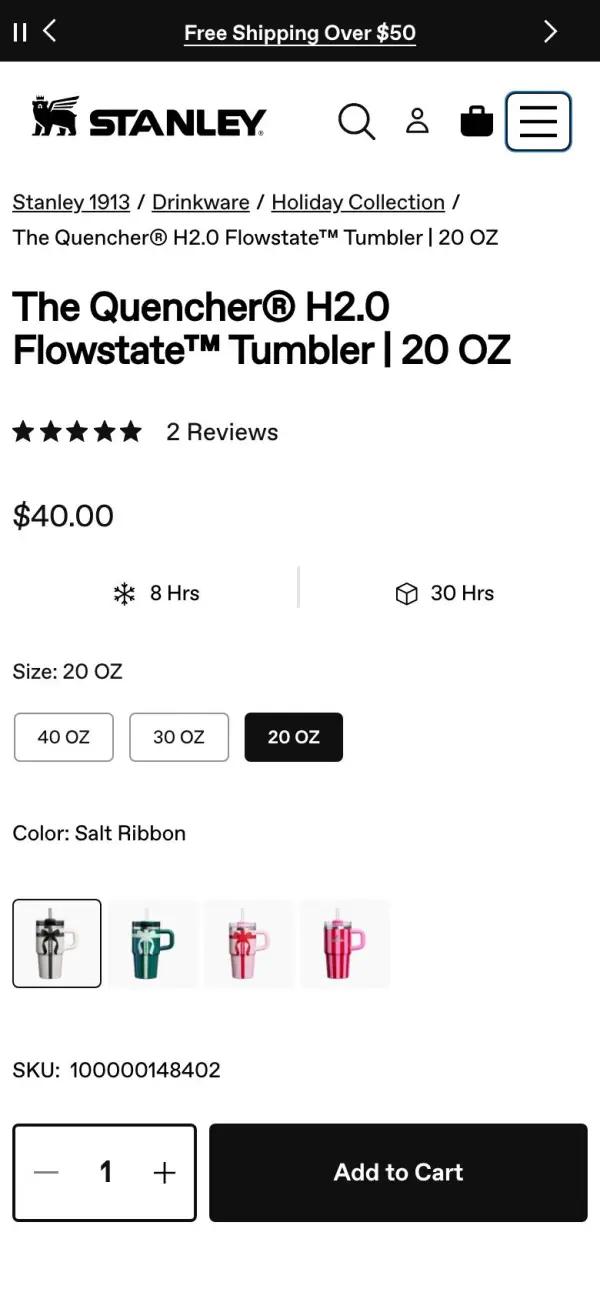
 Stanley 1913
Quencher H2.0 tumbler, 20 oz, $40
Stanley's Quencher sells for $40.00. A $15 shipping label would eat 37.5% of that sale, so bulky, cheap items feel shipping most.
See the live pageWhy it matters
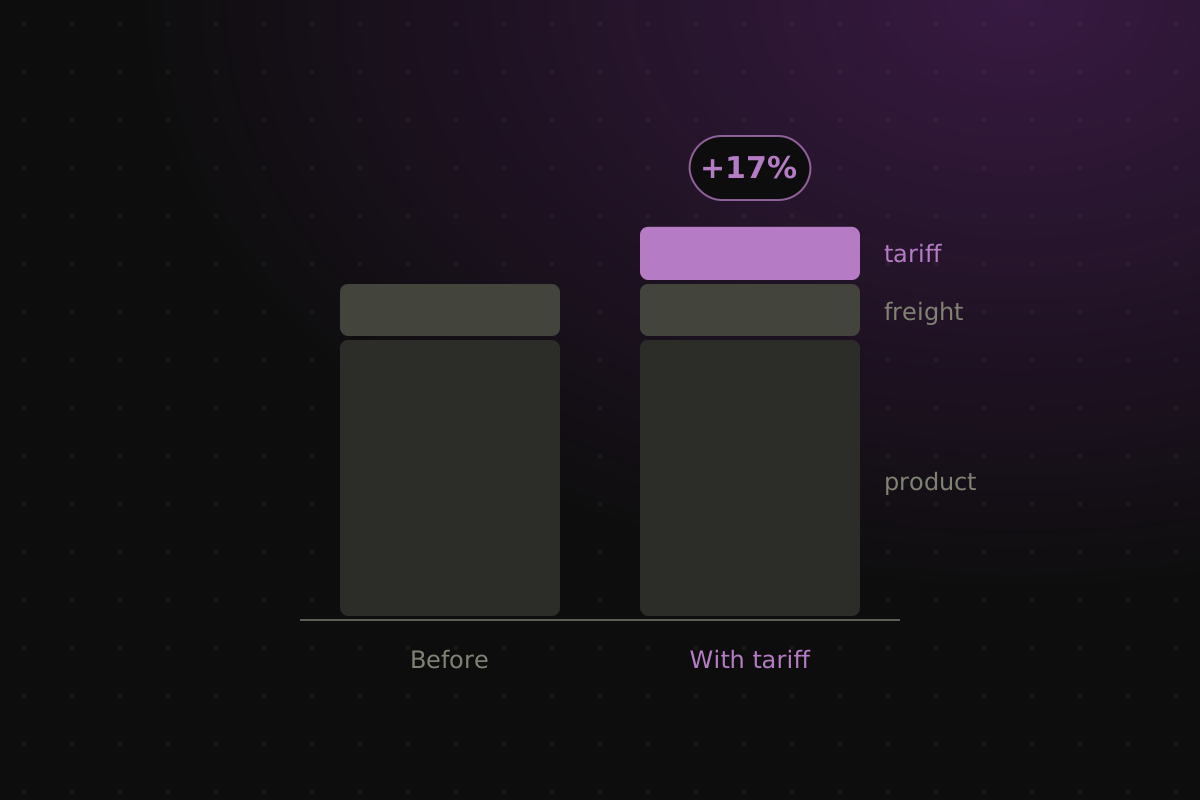
Margin and pricing only work if the cost is the real one. A 32% gap between supplier price and landed cost is common for goods that ship by sea and pay duty, and it's larger for bulky or low-priced products, where freight is a bigger share. Price from landed cost, and re-check it when freight or tariffs move.
Automations
Check your landed cost on a schedule
Describe the job once. Replo runs it on your data from Shopify, Google Drive and Slack and posts what needs your attention.

Formula
Landed cost per unit = (product + freight + insurance + duty + fees) ÷ units
Product is units × supplier price. Duty is the duty rate × the customs value: the goods alone in the US, Canada and Australia, or goods + freight + insurance (CIF) in the EU, UK and many other countries. Fees cover customs brokerage, the US merchandise processing fee, port and terminal charges and delivery to your warehouse.

 Stumptown Coffee Roasters
Hair Bender coffee, 12 oz, $19
Stumptown's Hair Bender sells for $19.00. A $15 shipping label would eat 78.9% of that sale, so bulky, cheap items feel shipping most.
See the live pageOther ways to calculate landed cost
- Per shipment
- Landed cost = product + freight + insurance + duty + fees
- Budgeting cash for an order before it ships.
- Per unit
- Landed cost per unit = landed cost ÷ units
- Setting prices and checking product margin. This is the number to put in your cost of goods.
- As a multiplier
- Landed cost factor = landed cost ÷ product cost
- Quick quotes on a new product: a factor of 1.32 means every $1 of supplier price lands at $1.32.
- Mixed shipment, by value
- Unit share = unit value ÷ shipment value × shared costs
- Splitting freight and fees across different products in one container, when they're similar in size.
- Mixed shipment, by volume
- Unit share = unit volume ÷ shipment volume × freight
- When products differ in size: a bulky item takes more of the freight than a small one of the same value.
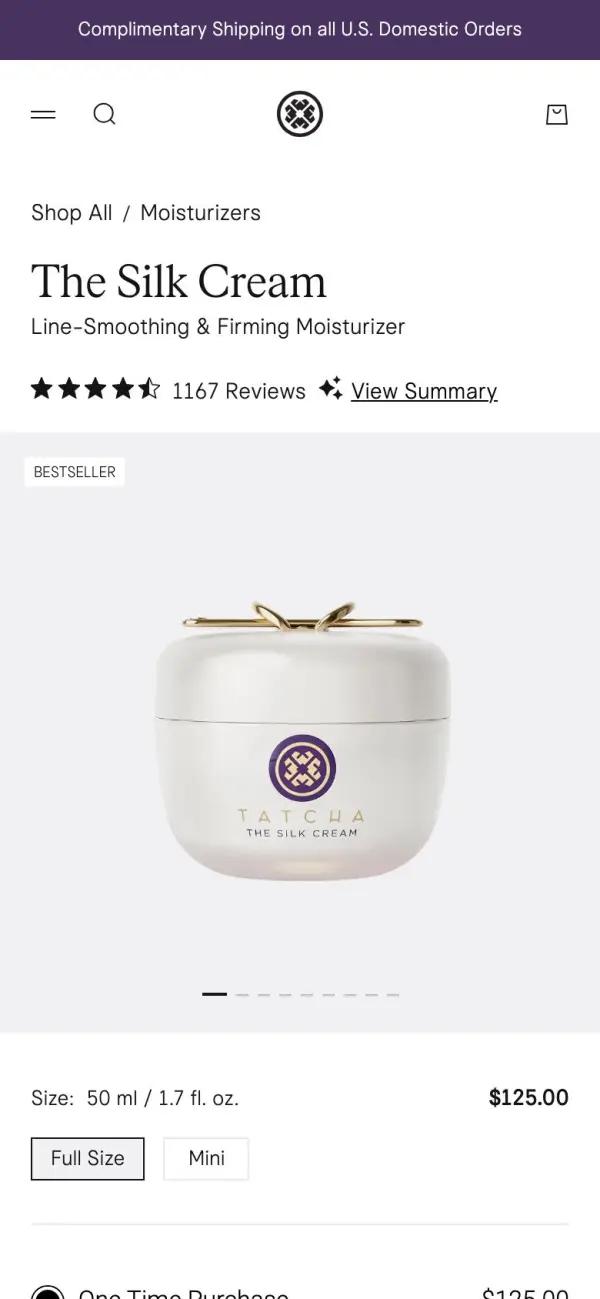
 Tatcha
The Silk Cream, 50 ml, $125
Tatcha's Silk Cream sells for $125.00. A $15 shipping label would eat 12% of that sale, so bulky, cheap items feel shipping most.
See the live pageWhat is landed cost?
Landed cost is the total cost of a product once it has arrived at your warehouse: the supplier's price plus international freight, insurance, customs duty, taxes you can't reclaim and the fees to clear and deliver it. It's the true cost of goods for anything you import.
Sales tax, VAT or GST that you can reclaim as a registered business are left out, since you get them back. If you can't reclaim them, include them.

 Lodge Cast Iron
11 inch enamel cast iron skillet, $49.90
Lodge's enamel skillet sells for $49.90. A $15 shipping label would eat 30.1% of that sale, so bulky, cheap items feel shipping most.
See the live pageHow to calculate landed cost
- Product cost. Units × the supplier's price, in your currency, at the exchange rate you paid.
- Freight. The forwarder's bill to move the goods from the supplier to you, including fuel surcharges.
- Insurance. Cargo insurance, often around 0.3% to 0.5% of the value; check your quote.
- Duty. The rate on the product's tariff code × the customs value. Find US rates with the tariff calculator.
- Fees. Customs broker, merchandise processing fee, harbor maintenance fee, port and terminal handling, and the truck to your warehouse.
- Divide by units for the cost per unit.

 Our Place
Titanium Always Pan Pro, 10.5 inch, $139
Our Place's Always Pan sells for $139.00. A $15 shipping label would eat 10.8% of that sale, so bulky, cheap items feel shipping most.
See the live pageHow to calculate landed cost: a worked example
A clothing brand imports 2,000 cotton T-shirts at $5 each by sea to the US. Freight is $1,200, insurance $50, duty 16.5% on the goods' value, and customs and delivery fees $300. The shirts sell for $30.
- Product = 2,000 × $5 = $10,000
- Duty = $10,000 × 16.5% = $1,650
- Landed cost = $10,000 + $1,200 + $50 + $1,650 + $300 = $13,200
- Per unit = $13,200 ÷ 2,000 = $6.60
- Gross margin = ($30 − $6.60) ÷ $30 = 78.0%
Each shirt lands at $6.60, 32% above the supplier price. Counting only the $5 supplier price, the margin would look like 83.3%.

 Ooni
Karu 12 pizza oven, $249
Ooni's Karu 12 sells for $249.00. A $15 shipping label would eat 6% of that sale, so bulky, cheap items feel shipping most.
See the live pageWhat's a good landed cost?
There's no universal number; what matters is the margin it leaves. Take the landed cost per unit, not the supplier price, into the profit margin calculator and your pricing.
Watch the landed cost factor: landed cost ÷ supplier price. The example's 1.32 is moderate. Light, valuable goods by air can land under 1.15; bulky, low-value goods by sea with high duty can pass 1.6. When the factor climbs, look at packing denser (see the CBM calculator), shipping larger orders less often, or whether a trade agreement lowers the duty.
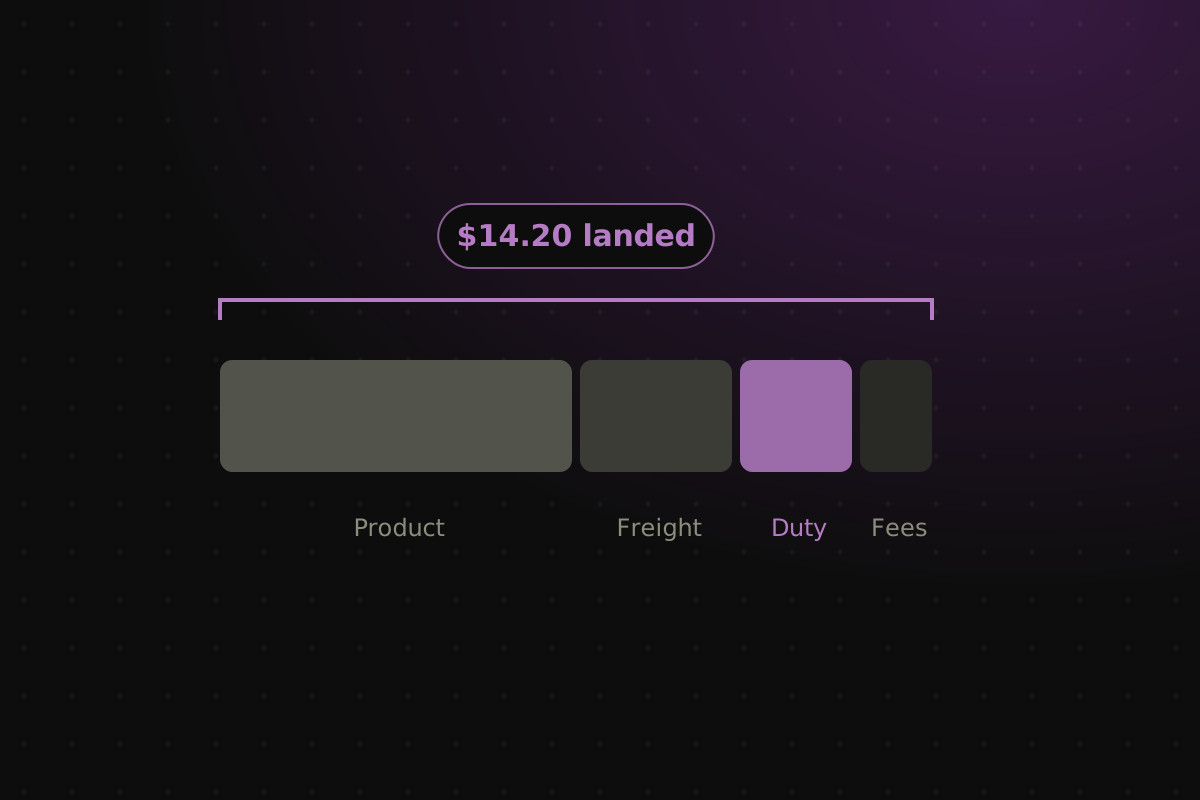
Where the $6.60 landed cost per shirt goes
| Cost | Shipment | Per unit | Share |
|---|---|---|---|
| Product | $10,000 | $5.00 | 75.8% |
| Freight | $1,200 | $0.60 | 9.1% |
| Insurance | $50 | $0.03 | 0.4% |
| Duty (16.5%) | $1,650 | $0.83 | 12.5% |
| Fees | $300 | $0.15 | 2.3% |
| Landed cost | $13,200 | $6.60 | 100% |
Do it with Replo
See margin by product after landed cost
Give Replo each product's landed cost and it reports gross margin by product from your store's sales.
FOB or CIF: which value is duty charged on?
The US charges duty on the transaction value, the price paid for the goods, and leaves out international freight and insurance when they're shown separately. Canada and Australia also use the goods' value at export (FOB).
The EU, the UK, China and many other countries charge duty on the CIF value: cost, insurance and freight to the border. On the example, CIF duty would be 16.5% × $11,250 = $1,856, adding $0.10 a shirt. Pick the right base in the calculator above.
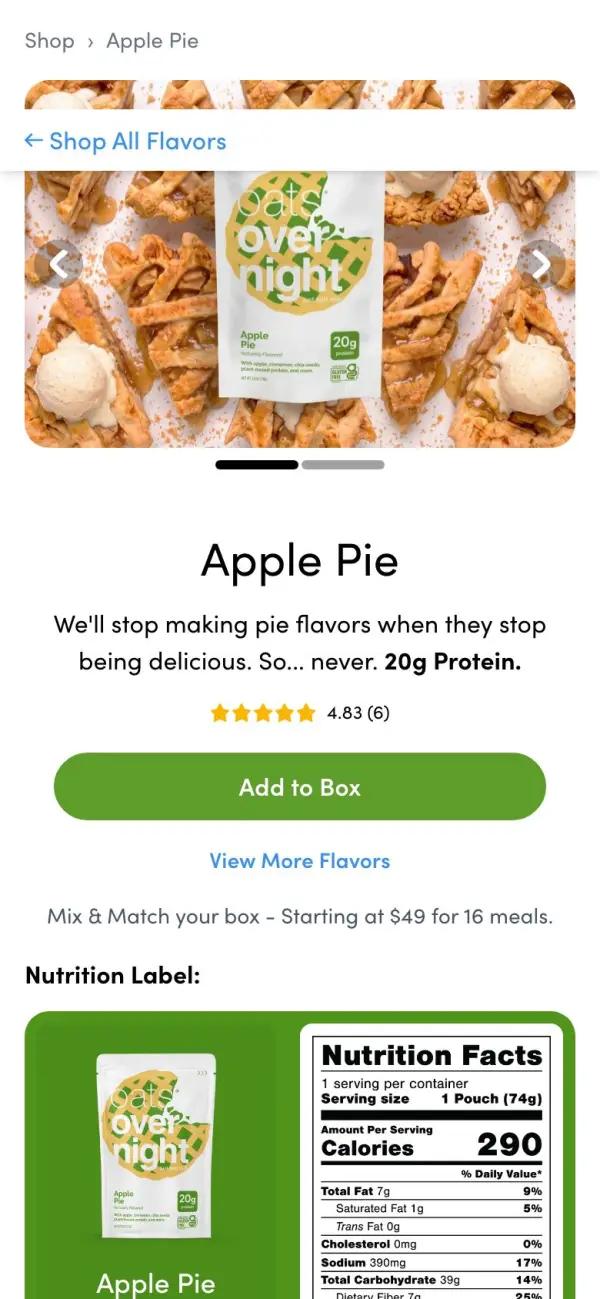
 Oats Overnight
Mix-and-match oatmeal box, 16 meals, $49
Oats Overnight's 16-meal oatmeal box sells for $49.00. A $15 shipping label would eat 30.6% of that sale, so bulky, cheap items feel shipping most.
See the live pageQuestions about landed cost
Landed cost is the total cost of getting a product to your warehouse: the supplier's price, international freight, cargo insurance, customs duty and any extra tariffs, customs and broker fees, port charges, and delivery to your warehouse. Taxes you can't reclaim count too. Your own warehousing, fulfillment and ads are separate costs, not landed cost.
Add product cost, freight, insurance, duty and fees for the whole shipment, then divide by the number of units. $13,200 for 2,000 units is $6.60 each. With several products in one shipment, split shared costs by value or by volume.
Landed cost is the cost of an imported unit sitting in your warehouse, and it should be the cost you record for that inventory. Cost of goods sold is that cost for the units you actually sold in a period.
No. Landed cost stops at your warehouse. Shipping an order to a customer is a fulfillment cost per order; count it in your contribution margin, not in the product's landed cost.