Freight class calculator
Freight class is the number from 50 to 500 that LTL carriers price pallets by: the lighter a pallet is for its size, the higher the class. Size the pallet and set its weight to see where its density lands on the NMFC scale. Slide along the scale to find the weight each class needs, or paste a whole shipment.
Drag the corners to size the pallet, pallet included.
Estimated freight classThe NMFC class an LTL carrier prices your freight at, from 50 (dense, cheapest per pound) to 500 (light and bulky, priciest). LTL, less than truckload, means your pallets share a truck with other shippers'.
Class 100
500 lb in 53.3 cubic feet is 9.38 lb per cubic foot. Another 33 lb, or the same weight at 45 in tall, reaches 10 lb/ft³ and class 92.5.
- DensityHow heavy the freight is for its size: pounds per cubic foot. Density sets the class for most goods. A pallet of books: about 25 lb/ft³; pillows: under 2.
- 9.38 lb/ft³ (150 kg/m³)
- Cubic feetThe space the pallets take up: length × width × height in inches ÷ 1,728, pallet included.
- 53.33 ft³
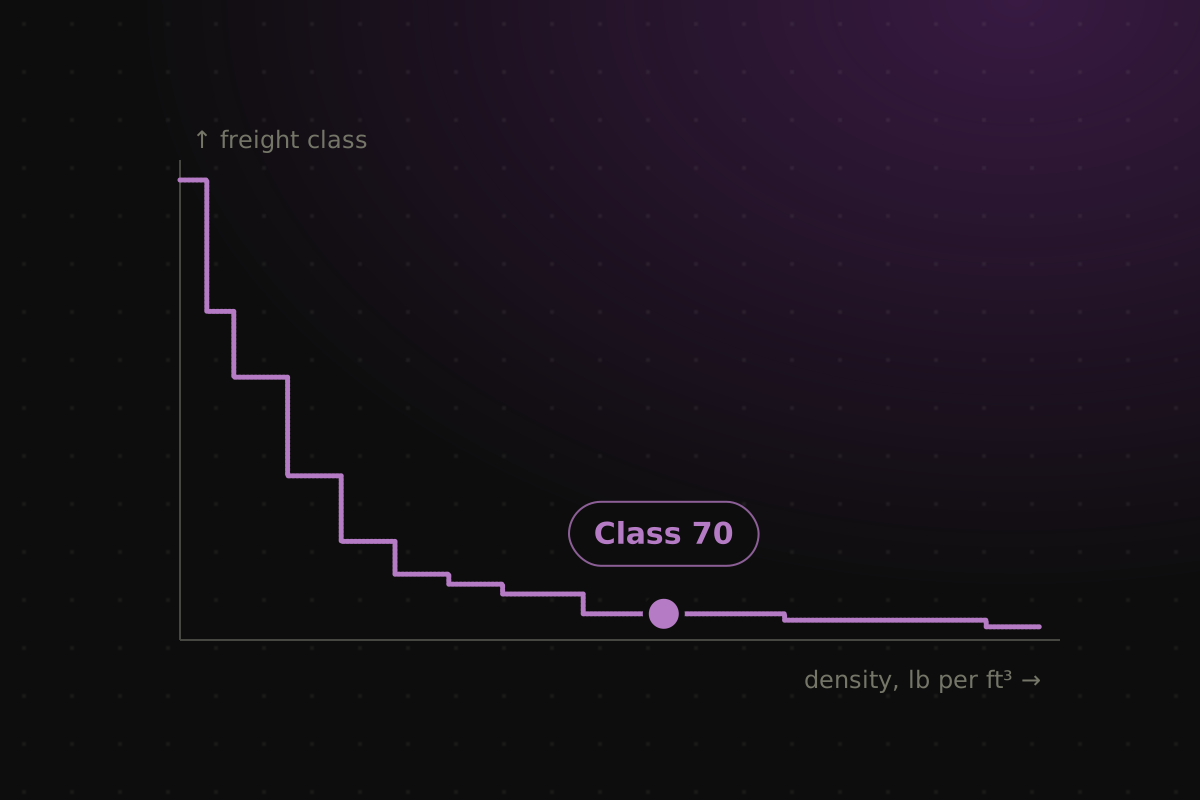
Where it sits on the density scale
Each band is a freight class. Light, bulky pallets sit on the left and pay the most per pound; dense ones on the right pay the least.
9.4 lb/ft³, class 100. Class 100: 8 lb per cubic foot or more, 427 lb or more on this pallet. Drag the marker or click a class to try it.
Many items have their own NMFC class whatever their density. Check your commodity’s item with the carrier before you book.





Automate your busywork for free. Describe a job once and Replo runs it every week on your real store data.
Shipping several pallets? Class each one
Paste one line per pallet type as name, length, width, height, weight per pallet, pallets (inches and pounds). It runs in your browser; nothing is uploaded.
How to read your number
Freight class is the number from 50 to 500 that LTL carriers use to price a shipment, set mostly by its density in pounds per cubic foot. A 48 × 40 × 48 inch pallet is 53.3 cubic feet; at 500 lb that's 9.4 lb/ft³, class 100. Another 33 lb on the same pallet, or trimming it to 45 inches tall, reaches 10 lb/ft³ and class 92.5, which usually costs less per pound.
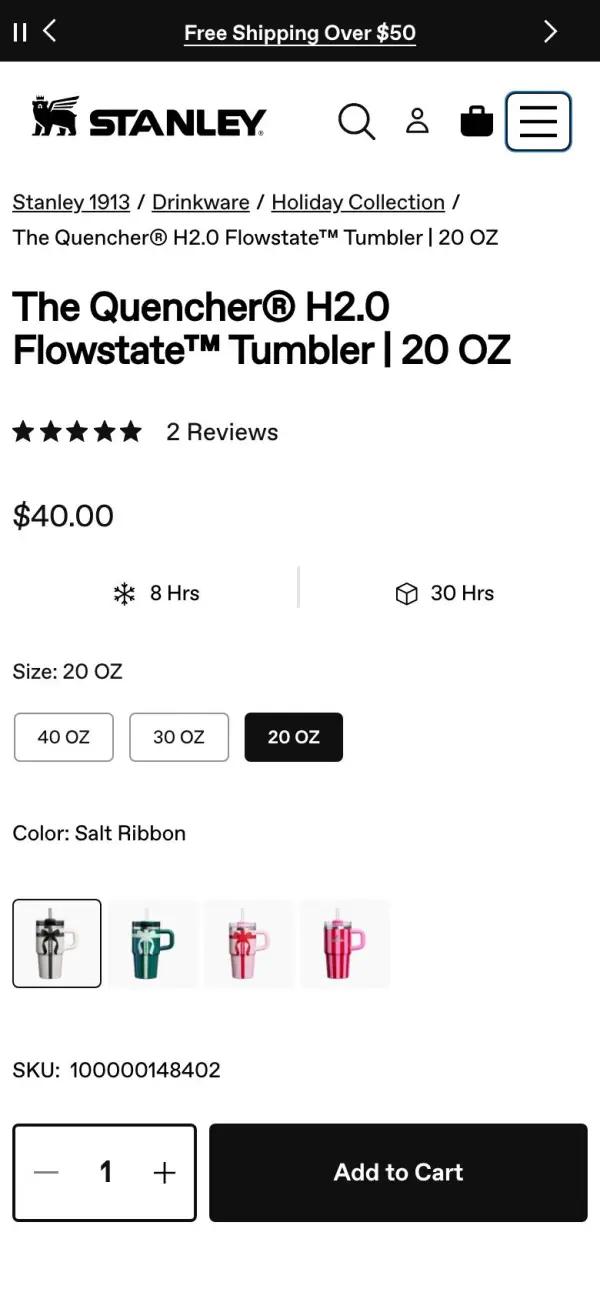
 Stanley 1913
Quencher H2.0 tumbler, 20 oz, $40
Stanley's Quencher sells for $40.00. A $15 shipping label would eat 37.5% of that sale, so bulky, cheap items feel shipping most.
See the live pageWhy it matters
Less-than-truckload rates go up with the class: lighter, bulkier freight takes more trailer space per pound, so it pays more per pound. Shipping at the wrong class also costs money after the fact, because carriers re-weigh and re-measure and bill a reclass. Knowing the density before you book lets you quote the right class and see which packing changes would lower it.
Automations
Check your freight class on a schedule
Describe the job once. Replo runs it on your data from Shopify, Google Drive and Slack and posts what needs your attention.

Formula
Density = weight (lb) ÷ (length × width × height in inches ÷ 1,728)
Measure the whole handling unit, pallet included, at its longest, widest and tallest points. Dividing cubic inches by 1,728 gives cubic feet. With several identical pallets, total weight ÷ total cubic feet gives the same density.

 Stumptown Coffee Roasters
Hair Bender coffee, 12 oz, $19
Stumptown's Hair Bender sells for $19.00. A $15 shipping label would eat 78.9% of that sale, so bulky, cheap items feel shipping most.
See the live pageOther ways to calculate freight class
- From metric sizes
- Density = (kg × 2.2046) ÷ (L × W × H in cm ÷ 28,317)
- Pallets measured in centimeters and kilograms. 28,317 cm³ is one cubic foot.
- Several pallets
- Density = total weight ÷ total cubic feet
- A shipment of mixed or identical pallets of one commodity rated on density.
- Weight to reach a class
- Weight needed = tier's minimum density × cubic feet
- Planning a pallet: 10 lb/ft³ × 53.3 ft³ = 533 lb for class 92.5.
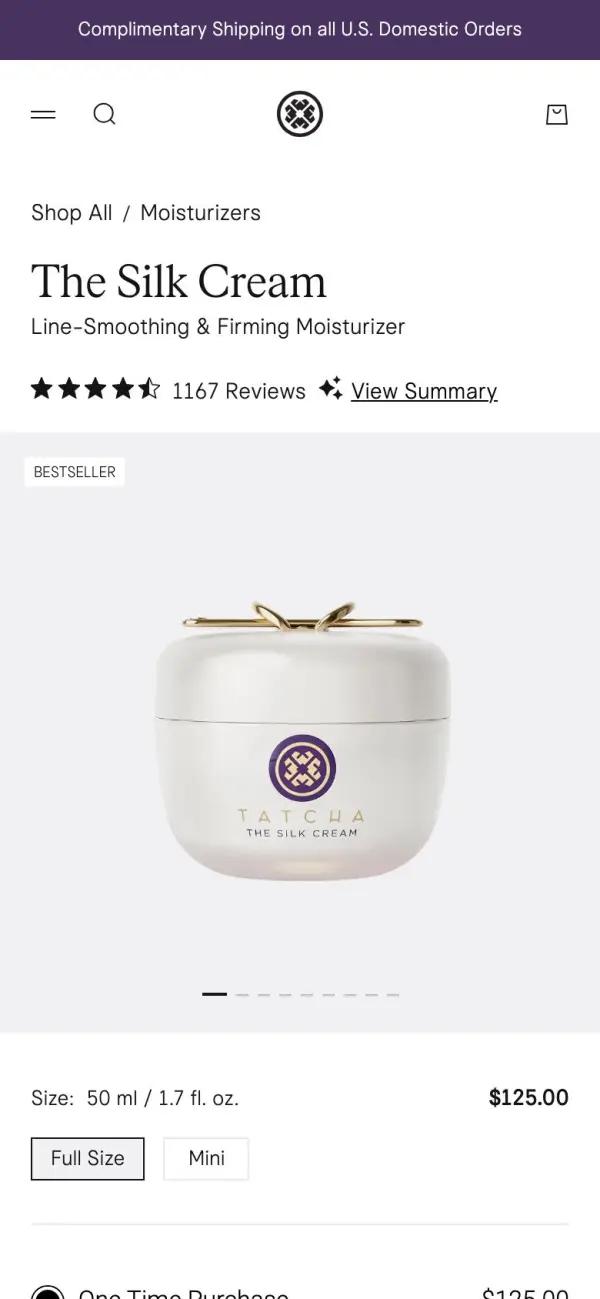
 Tatcha
The Silk Cream, 50 ml, $125
Tatcha's Silk Cream sells for $125.00. A $15 shipping label would eat 12% of that sale, so bulky, cheap items feel shipping most.
See the live pageWhat is freight class?
Freight class is a rating in the National Motor Freight Classification (NMFC), published by the National Motor Freight Traffic Association, that LTL carriers use with their tariffs to price a shipment. There are classes from 50, the densest and cheapest per pound, to 500.
Classes weigh four things: density, how easy the freight is to stow, how easy it is to handle, and liability for damage or theft. For most commodities density sets the class, and the NMFC's density scale maps it straight to a class, as in the table below. Some items keep their own class, so check the item number for what you ship.

 Lodge Cast Iron
11 inch enamel cast iron skillet, $49.90
Lodge's enamel skillet sells for $49.90. A $15 shipping label would eat 30.1% of that sale, so bulky, cheap items feel shipping most.
See the live pageHow to calculate freight class
- Measure the handling unit with the pallet: 48 × 40 × 48 inches. Round up to the next inch.
- Get cubic feet: 48 × 40 × 48 = 92,160 cubic inches ÷ 1,728 = 53.33 ft³.
- Divide weight by cubic feet: 500 lb ÷ 53.33 = 9.38 lb/ft³.
- Look up the tier: 8 to under 10 lb/ft³ is class 100.
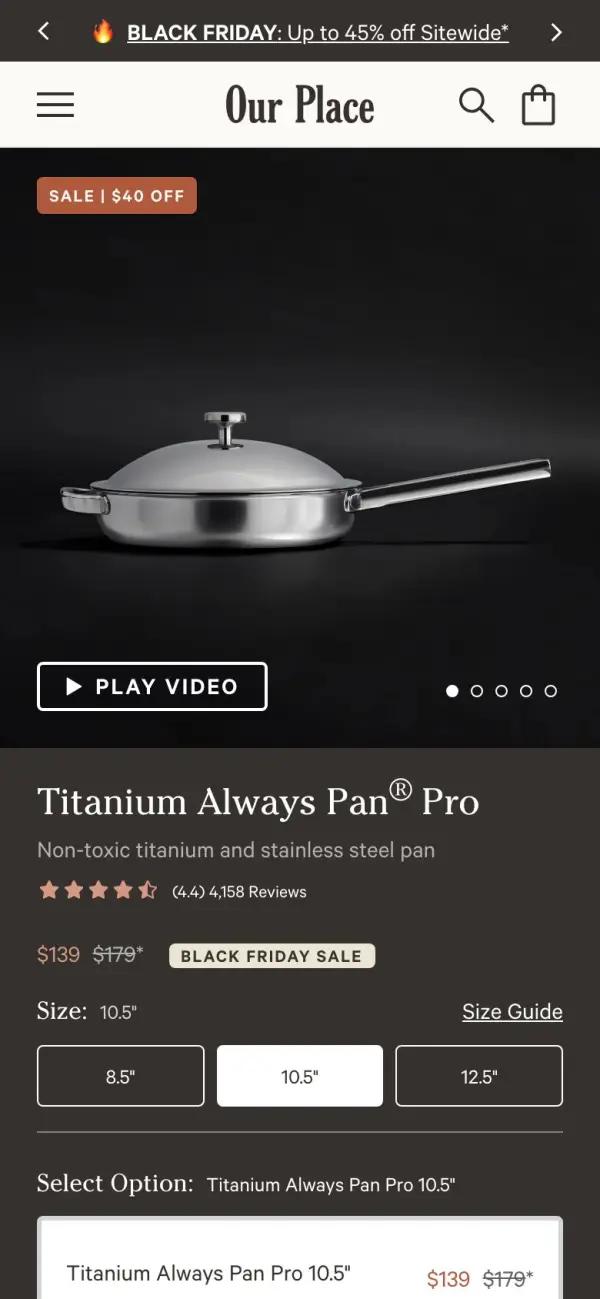
 Our Place
Titanium Always Pan Pro, 10.5 inch, $139
Our Place's Always Pan sells for $139.00. A $15 shipping label would eat 10.8% of that sale, so bulky, cheap items feel shipping most.
See the live pageHow to calculate freight class: a worked example
Say you ship boxed pizza ovens like Ooni's Karu 12 (26.5 lb each) on one standard 48 × 40 inch pallet, 48 inches tall with the pallet, weighing 500 lb.
- Cubic feet = 48 × 40 × 48 ÷ 1,728 = 53.33 ft³
- Density = 500 ÷ 53.33 = 9.38 lb/ft³
- 9.38 falls in 8 to under 10 lb/ft³: class 100
- To reach class 92.5 it needs 10 lb/ft³: 533 lb at this size, or 50 ft³ at this weight (45 inches tall)
The pallet ships at class 100. Stacking it 3 inches lower, if the boxes allow, would move it to class 92.5.

 Ooni
Karu 12 pizza oven, $249
Ooni's Karu 12 sells for $249.00. A $15 shipping label would eat 6% of that sale, so bulky, cheap items feel shipping most.
See the live pageHow to lower your freight class
Density is the lever you control. Pack denser: smaller cartons with less void fill, flat-packed products, and fuller pallets of the same footprint. Don't overhang: carriers measure the widest point, so boxes over the pallet edge add cubic feet. Build to the tier: the table shows the weight a 48 × 40 × 48 pallet needs for each class, so you can see how close the next one is.
Quote the class you calculate and keep the dimensions on the bill of lading. If a carrier's dimensioner reads different numbers, you'll see a reclass charge; accurate measurements are the cheapest way to avoid one.
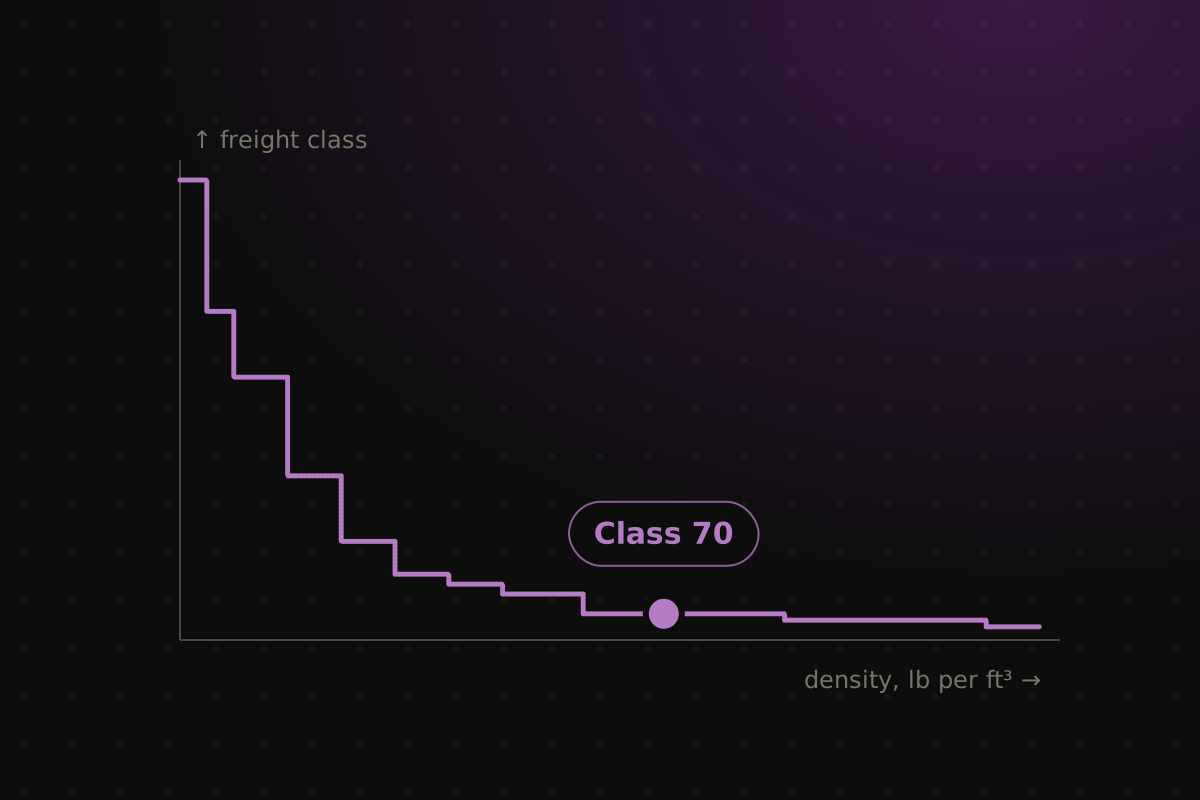
NMFC density scale, and the weight a 48 × 40 × 48 in pallet (53.3 ft³) needs for each class
| Density (lb per cubic foot) | Class | Weight on a 48 × 40 × 48 pallet |
|---|---|---|
| 50 or more | 50 | 2,667 lb or more |
| 35 to under 50 | 55 | 1,867 lb or more |
| 30 to under 35 | 60 | 1,600 lb or more |
| 22.5 to under 30 | 65 | 1,200 lb or more |
| 15 to under 22.5 | 70 | 800 lb or more |
| 12 to under 15 | 85 | 640 lb or more |
| 10 to under 12 | 92.5 | 533 lb or more |
| 8 to under 10 | 100 | 427 lb or more |
| 6 to under 8 | 125 | 320 lb or more |
| 4 to under 6 | 175 | 213 lb or more |
| 2 to under 4 | 250 | 107 lb or more |
| 1 to under 2 | 300 | 53 lb or more |
| Less than 1 | 400 | under 53 lb |
Do it with Replo
Track shipping cost per order
Replo reports what shipping costs you as a share of each order, so cheaper packing shows up in your numbers.
Questions about freight class
Freight class is a rating from the National Motor Freight Classification (NMFC) that less-than-truckload (LTL) carriers use to price freight, from class 50 for dense goods to 400 and above for light, bulky ones. For most goods it's set by density, pounds per cubic foot. A higher class costs more per pound.
Measure the pallet, multiply length × width × height in inches and divide by 1,728 for cubic feet. Divide the weight in pounds by the cubic feet for density, then find the density on the NMFC scale. 500 lb in 53.3 ft³ is 9.4 lb/ft³, class 100.
It depends on the weight. A 48 × 40 × 48 inch pallet weighing 500 lb is class 100; at 800 lb it's class 70; at 1,200 lb class 65. Pallet size alone doesn't set a class, density does.
Yes, per pound. Lower classes are denser freight, which carriers price lower per hundredweight. Class 50 is the cheapest per pound and 500 the most expensive, though the total bill also depends on weight, distance and the carrier's own rates.
The NMFTA moved many commodities to density-based classes and expanded the density scale to 13 tiers, adding classes 50 and 55 for freight of 35 lb/ft³ and above. Older guides that stop at class 60 or show 11 tiers predate the change.
A correction by the carrier when the freight's measured density or commodity doesn't match the class on the bill of lading. The carrier re-bills at the right class and often adds an inspection fee, so measure accurately before you book.