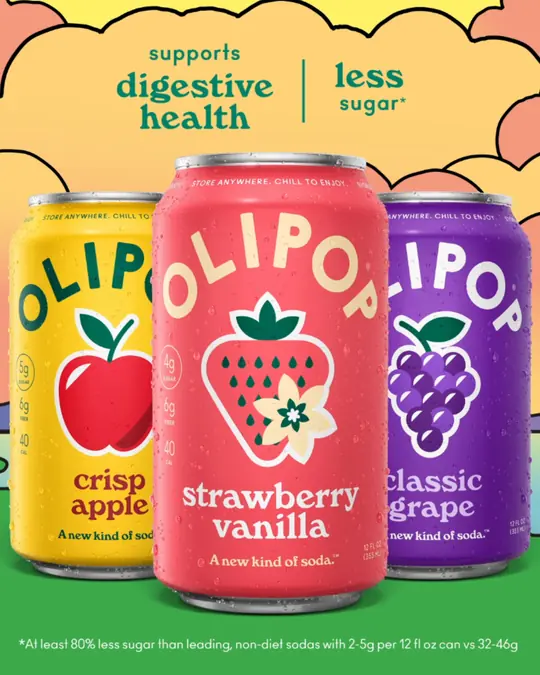
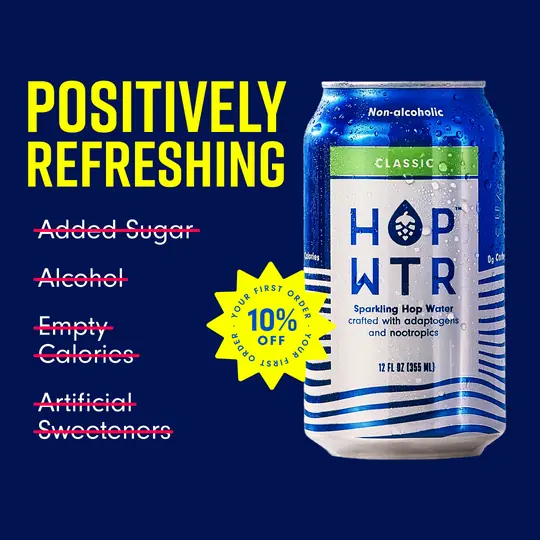
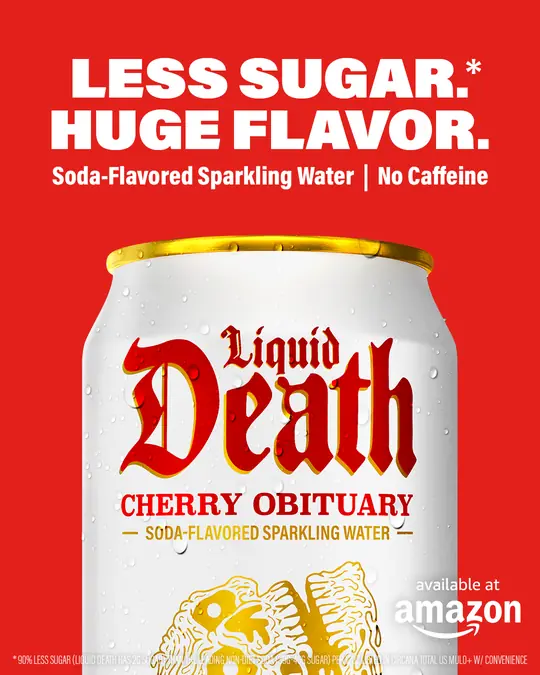
Ad hooks
Ad hook examples, shown in real ads
A hook is the first line or first second of an ad, the part that stops the scroll. Here are 12 kinds, each in three live Meta ads.

BrüMate
Sponsored ·
"I love my BrüMate! I have tried other brands, but nothing compares." - Dawn C.
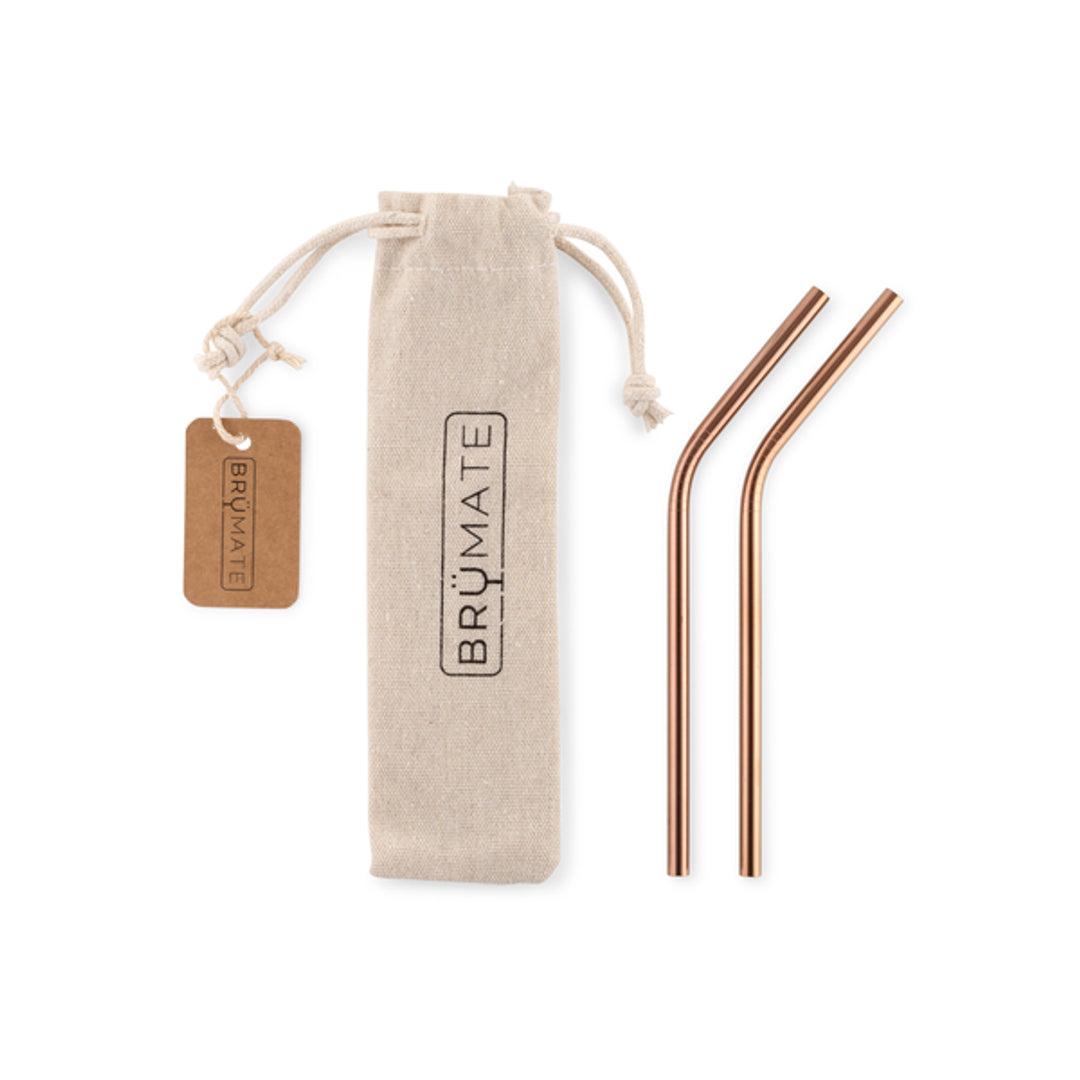
brumate.com
Nos'r | Matte Black | 7oz

Nora Seaweed Snacks
Sponsored ·
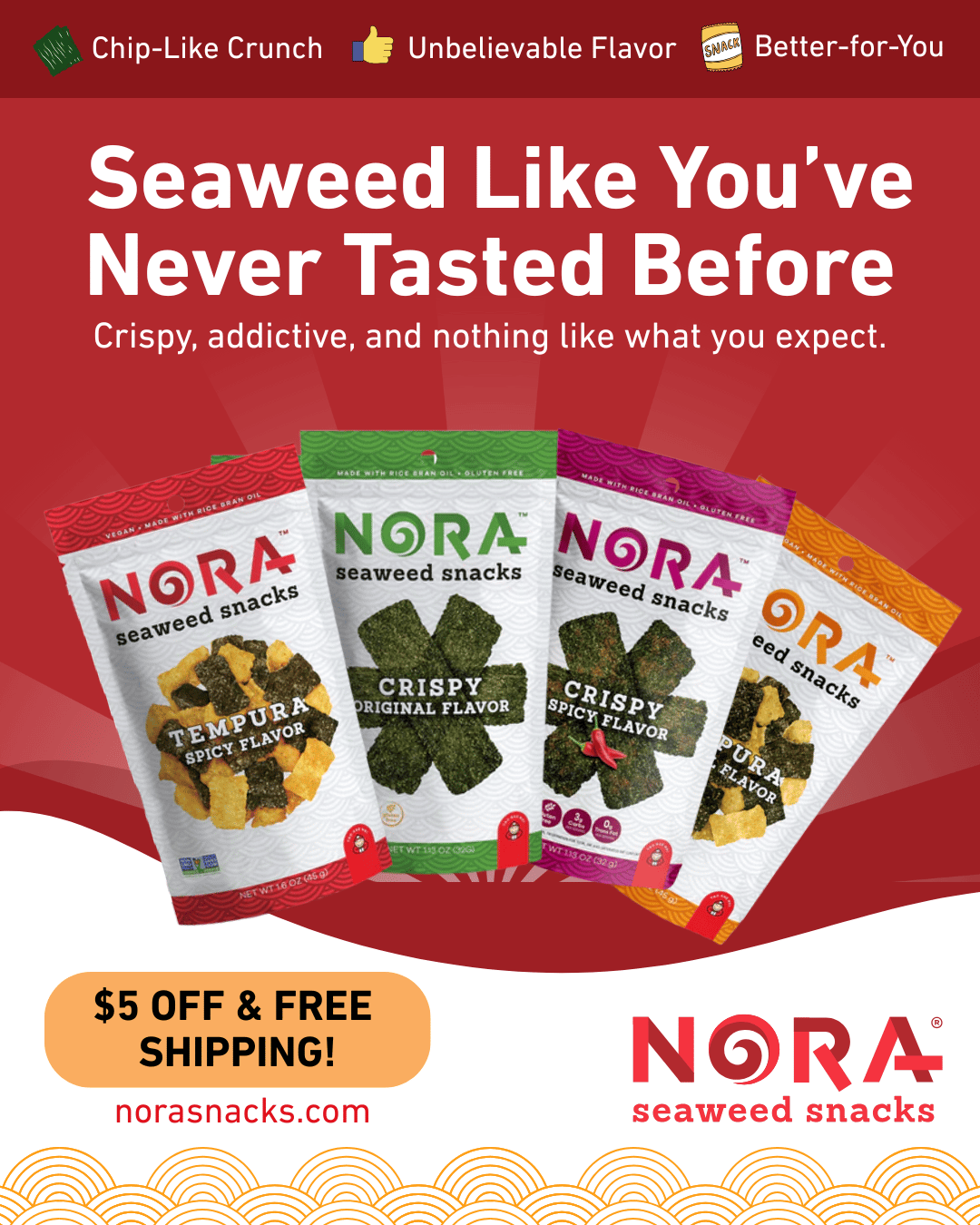
Tired of healthy snacks that taste like cardboard? 😒 Meet Nora Seaweed Snacks: loaded with B12, fiber & iodine!
norasnacks.com
$5 OFF FIRST ORDER!

Dr. Groot
Sponsored ·
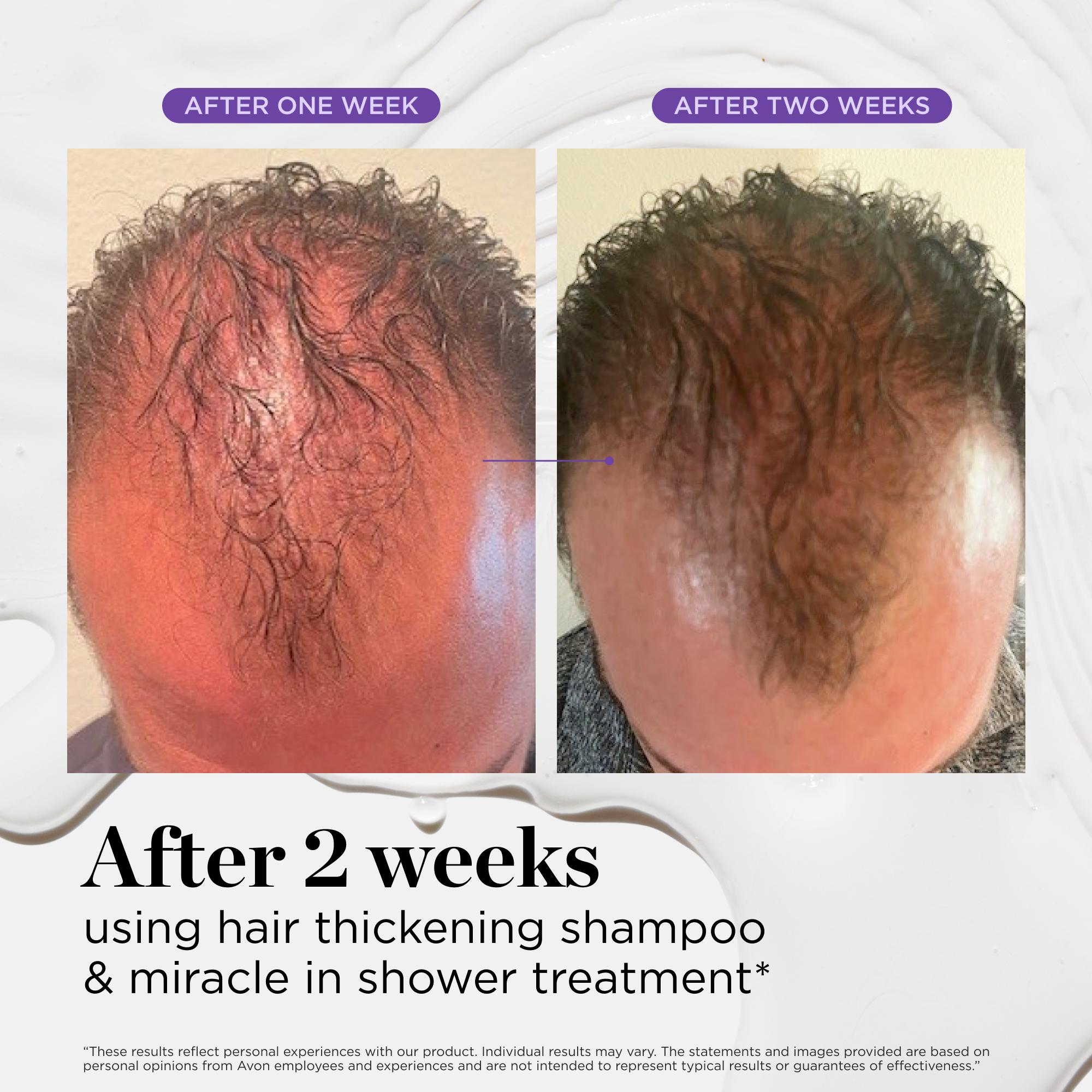
WAIT till your husband notices! Dr. Groot's Hair Thickening Shampoo has sold 40M+ units!
lgbeauty.com
Get Thicker, Fuller Hair
Question hooks
Opens with a question the reader answers in their head. A yes in the reader's head makes the rest of the ad read as the answer.

Bruvi
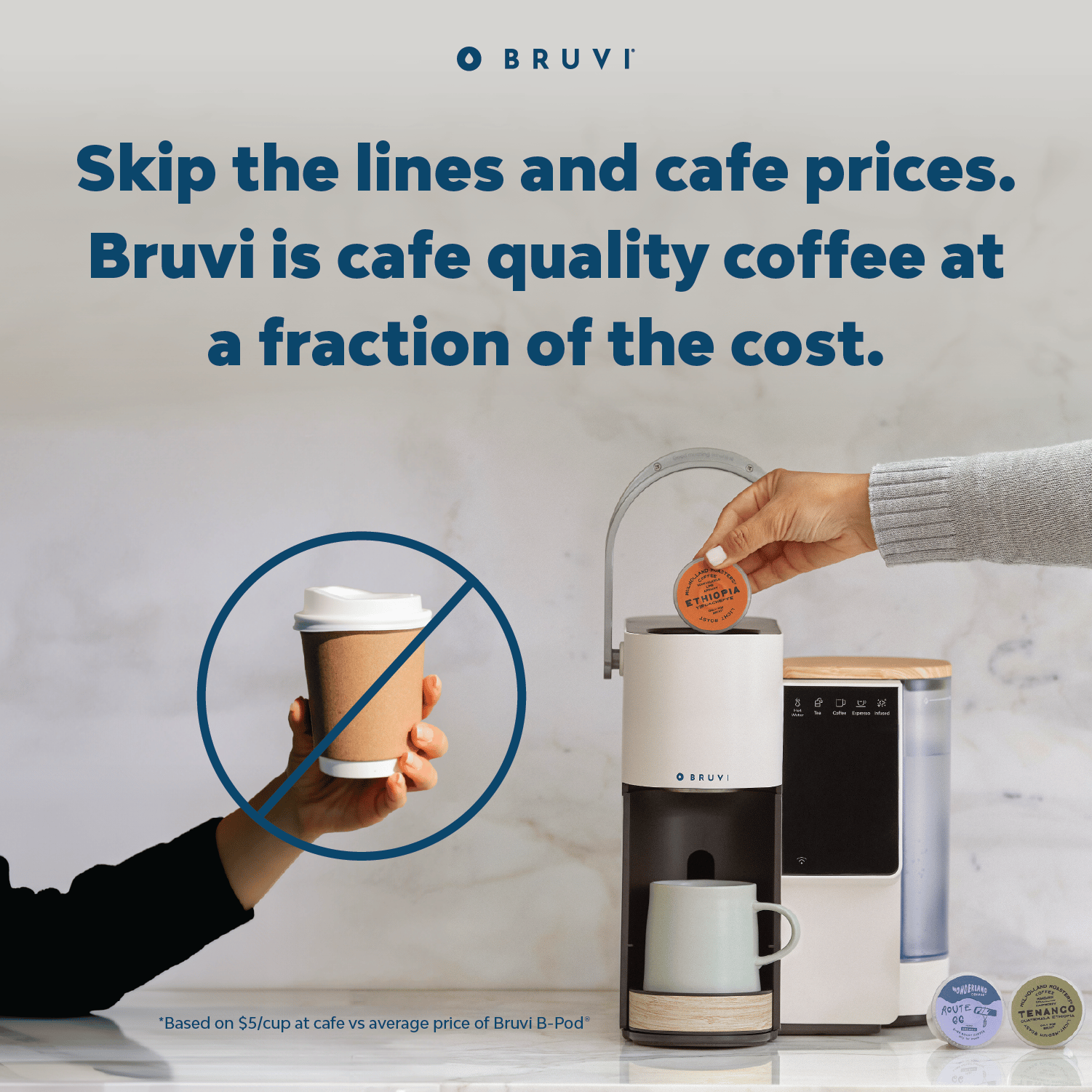
“Spending $5+ for your daily coffee? Read this”
Asks about money the reader spends every day. The picture answers it: cafe coffee at home, for less.

Hearthy Foods
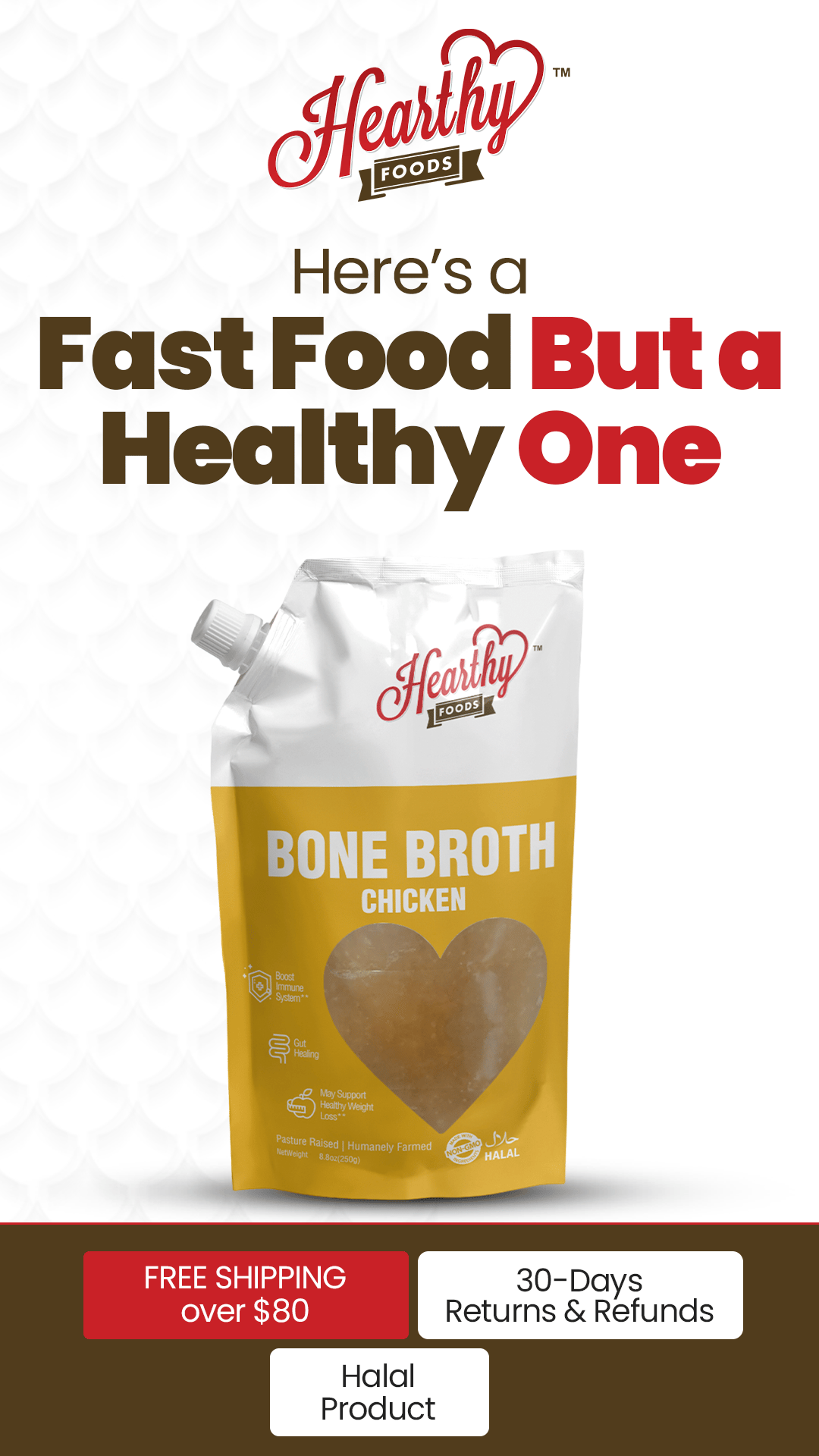
“Craving a fast and healthy meal?”
Asks what a busy person already thinks at lunch. The pouch in the picture is the answer.

Spot and Tango
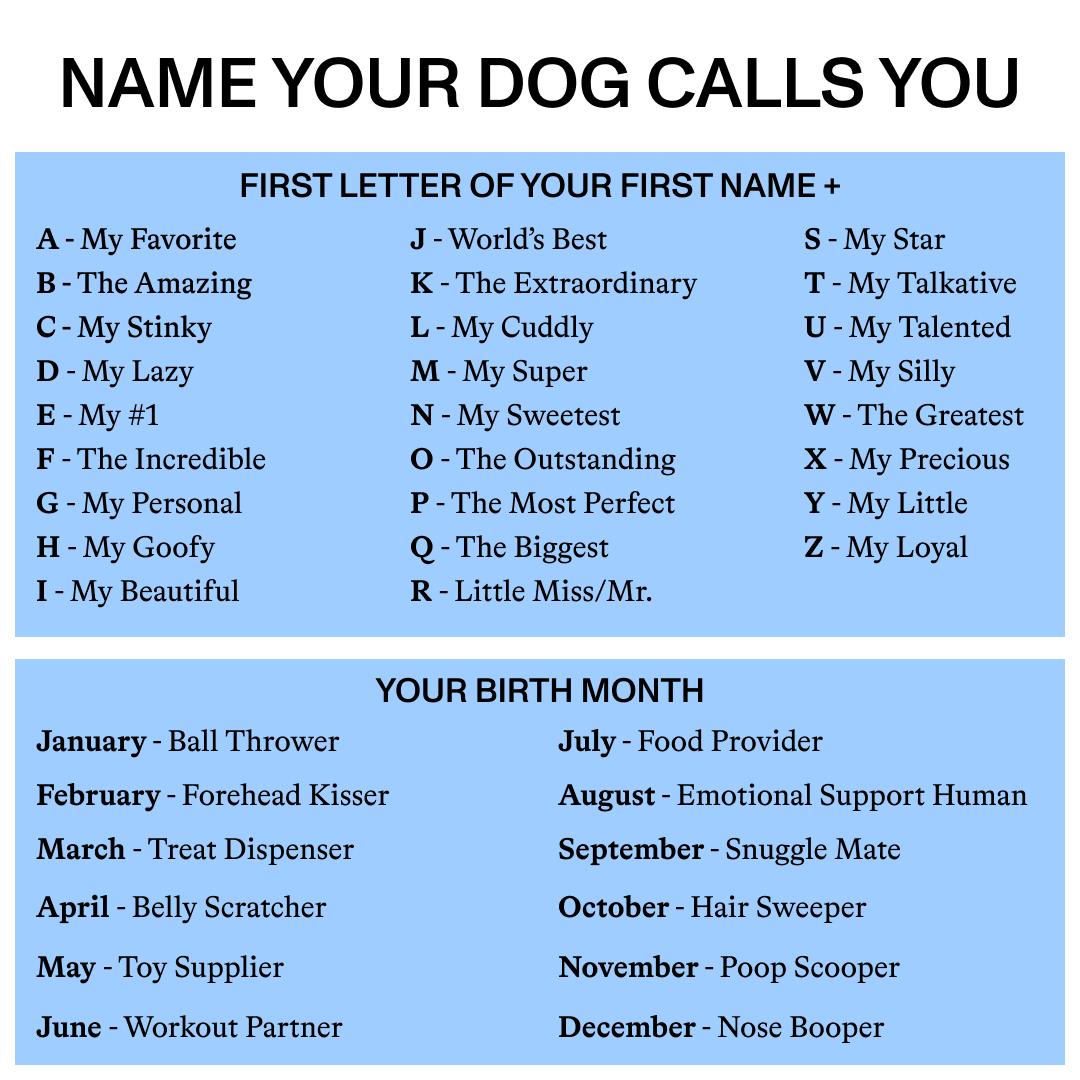
“We have names for our dogs, but what do they call us?”
A fun question people want to answer in the comments. The deal waits at the end of the text.
Audience callout hooks
Names who the ad is for. The right people stop, and everyone else scrolls past before they cost anything.

Lambwolf Collective
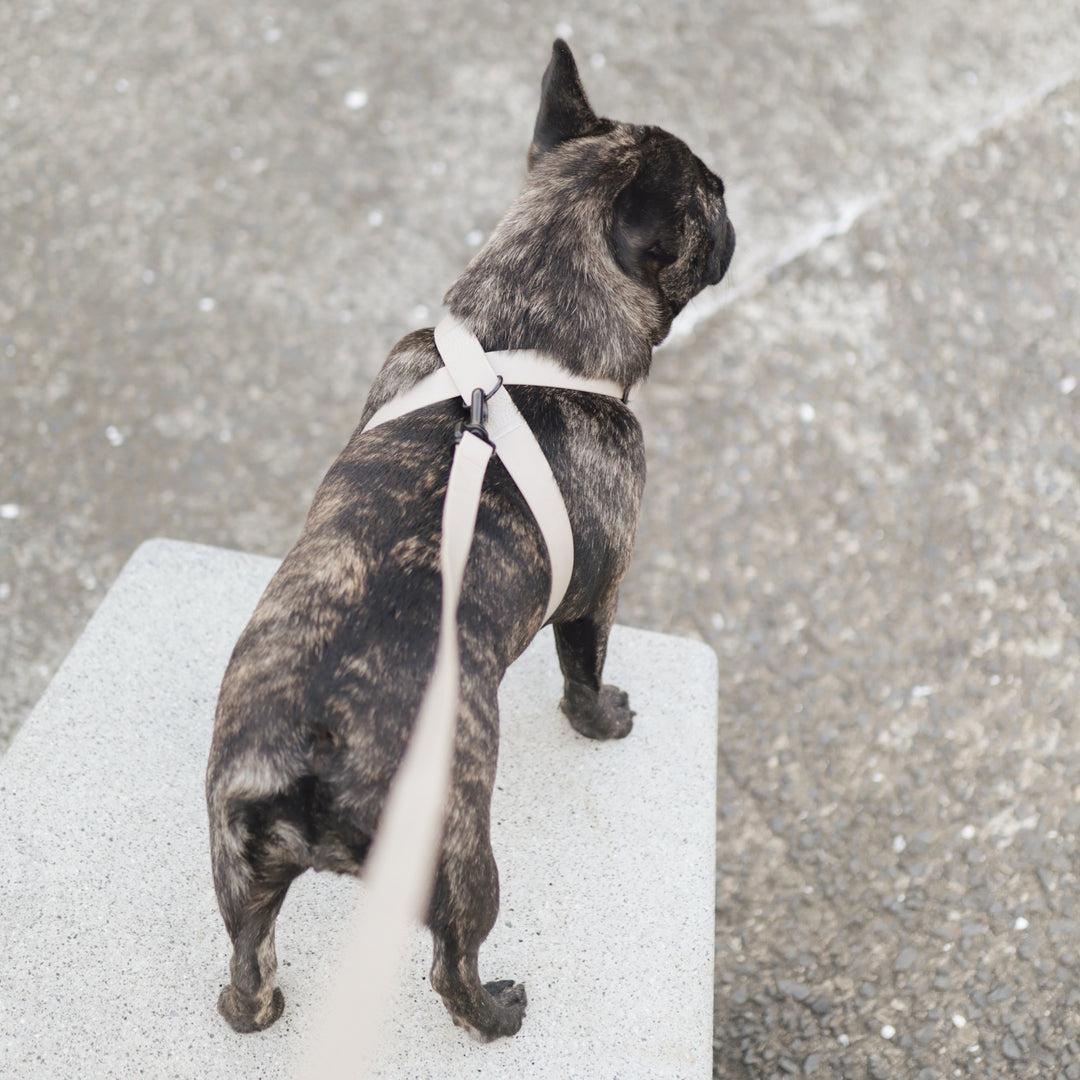
“Calling all pet parents!”
Three words pick the audience: pet parents. A code in the text gives them a reason to tap now.

Frøya Organics
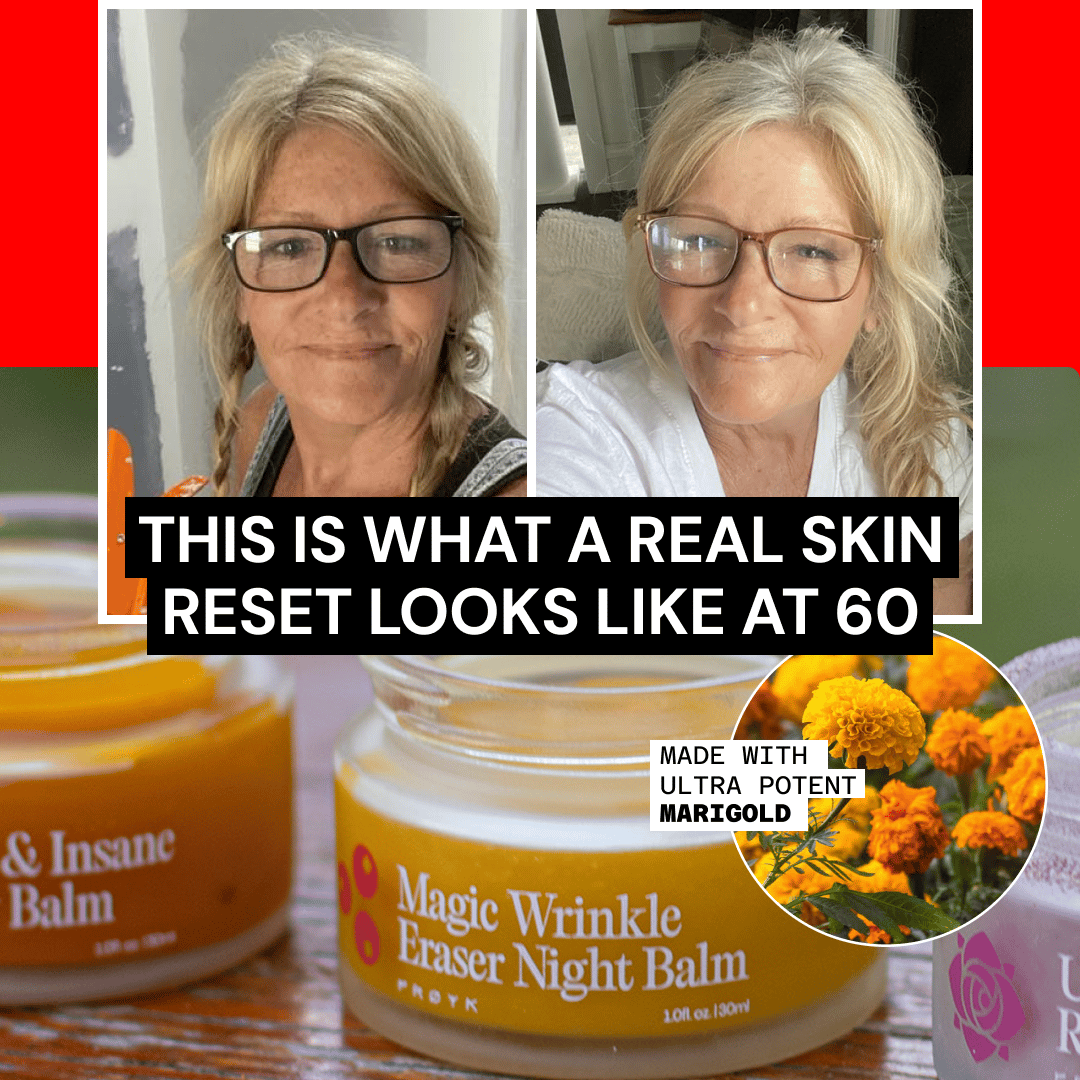
“If You Grew Up in the 80s, Your Skin Has Been Through a LOT—Fix It Fast!”
Names readers by the decade they grew up in. A real before-and-after face makes the claim easy to believe.

Jane Iredale
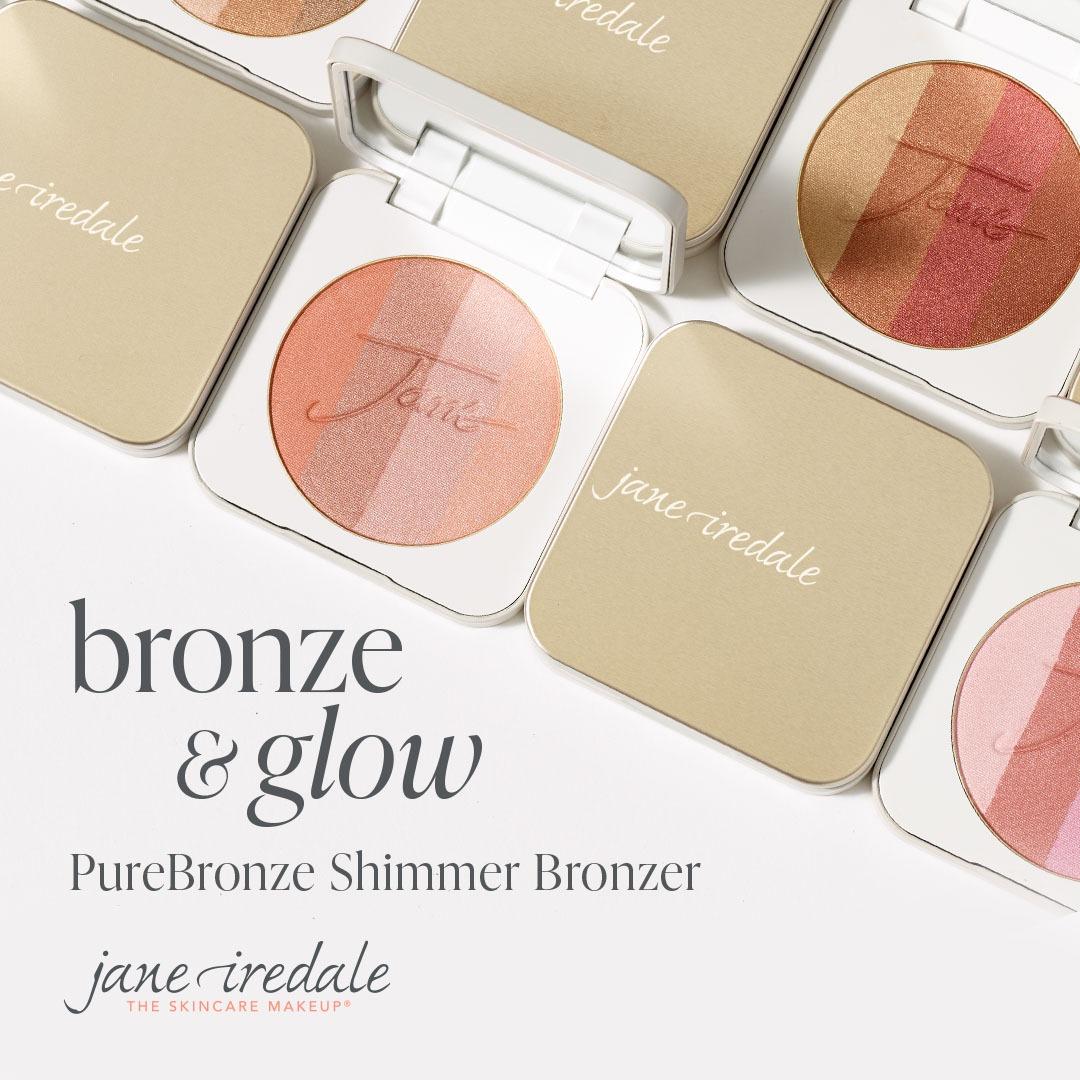
“Bronzer For The Glow Getters”
“Glow getters” names the buyer and the result in two words. The photo shows the bronzer up close.
Problem callout hooks
Names a frustration the reader already has. The product shows up as the fix to a problem the reader already feels.
Nora Seaweed Snacks
“Tired of healthy snacks that taste like cardboard?”
Names the usual complaint about healthy snacks. The headline adds $5 off to try the fix.

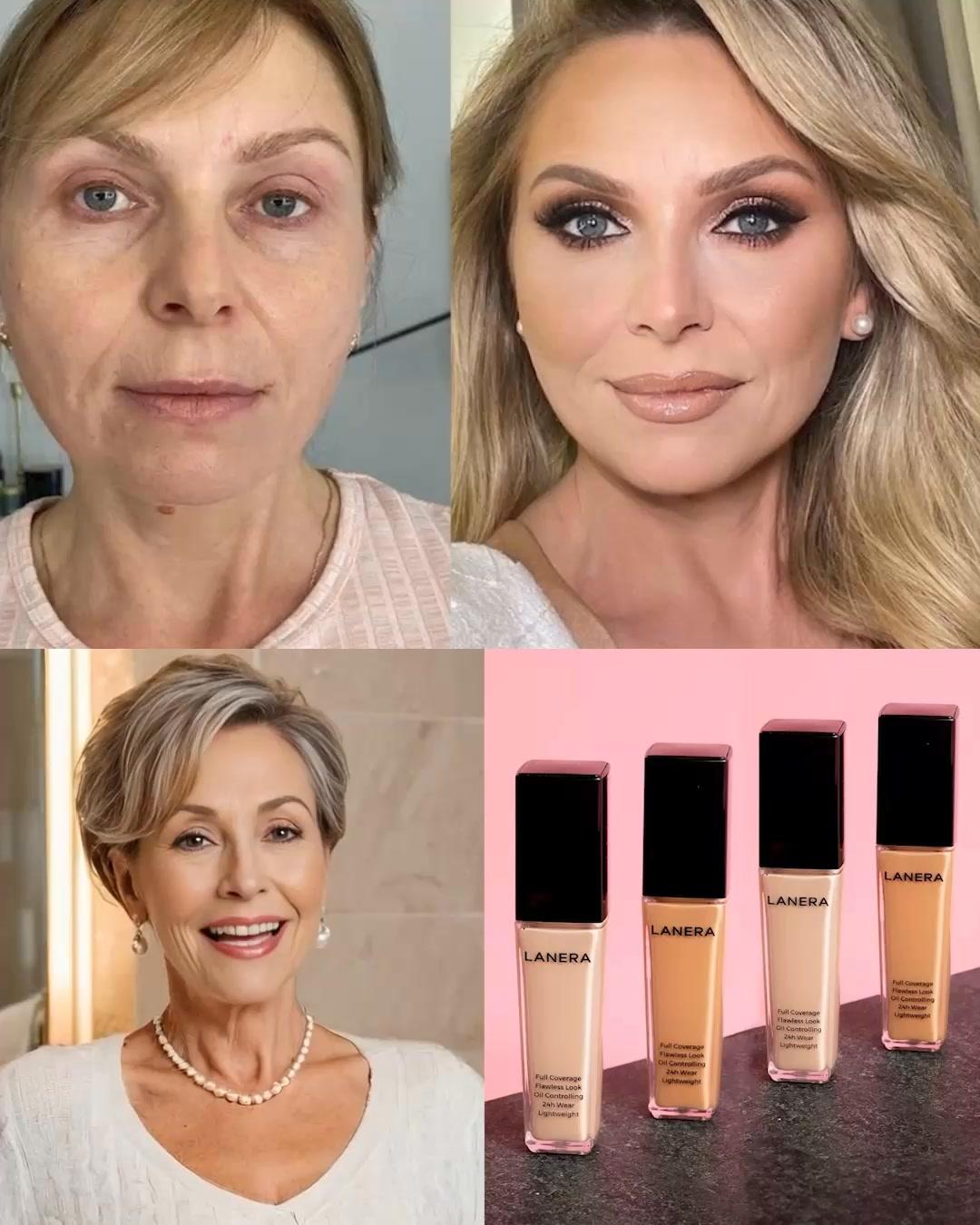
Lanera
“Stop wasting money on makeup that doesn't work”
Calls out money wasted on makeup that fails, then promises your money back. Lanera runs this one creative in 20 ads.

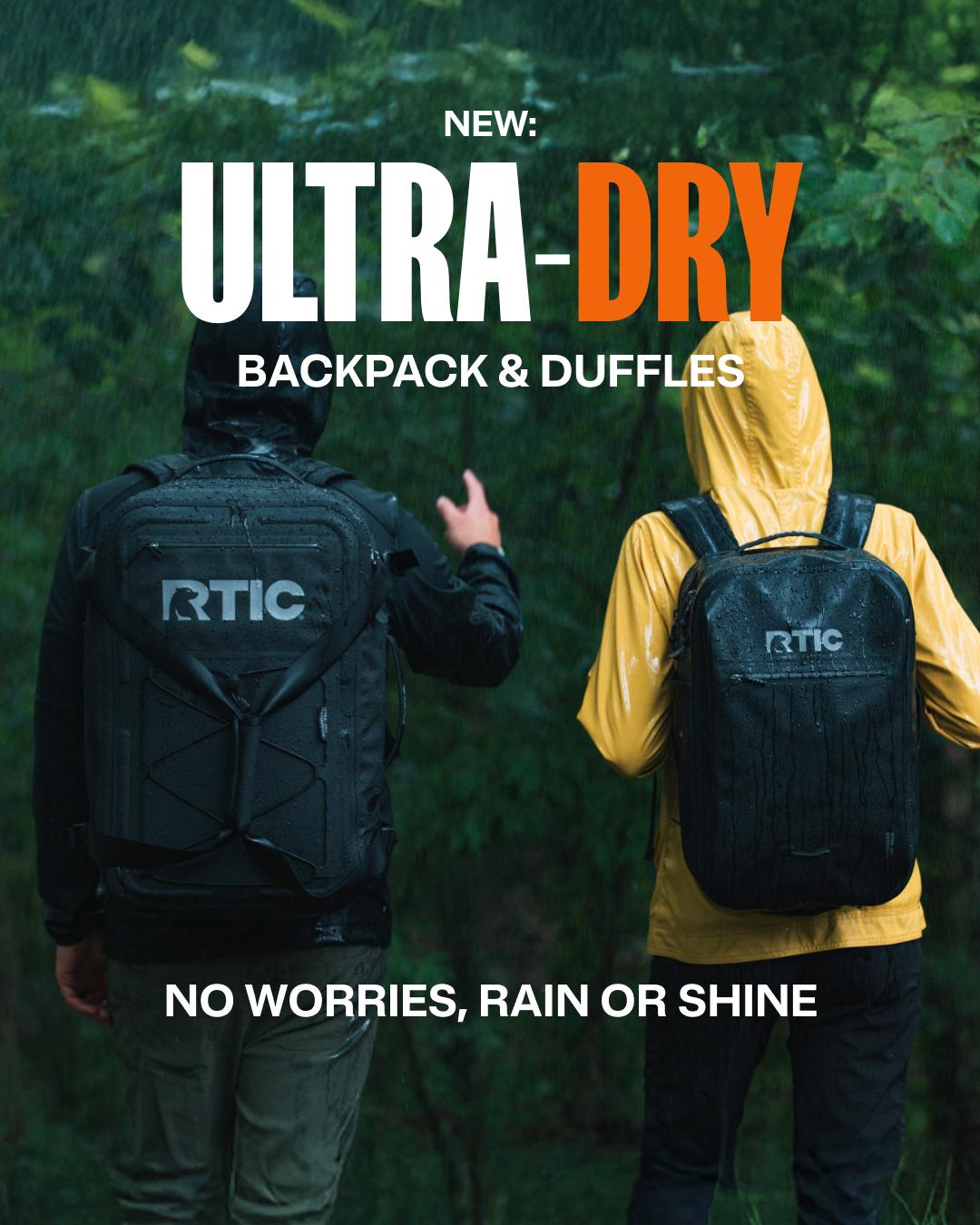
RTIC
“Don't let weather ruin your adventure.”
Names the worry, bad weather, and the photo shows the backpack out in the rain.
Bold claim hooks
One confident line about the product, with no setup. It works when the line is specific enough that no rival could say it.

Quiet Town
“Give your bathroom a colorful glow-up”
One confident line about the result, a glow-up. The video shows the colors in a real bathroom.

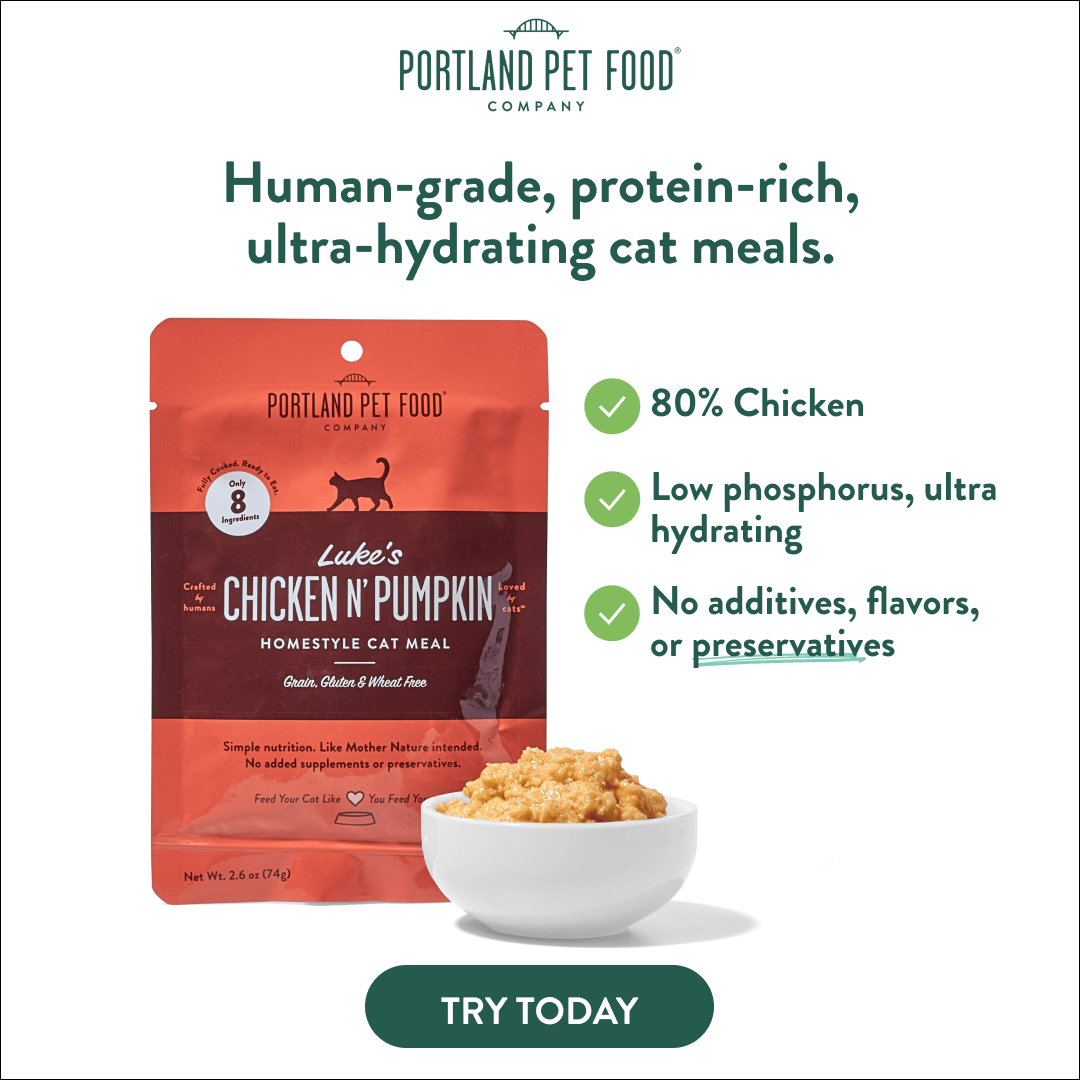
Portland Pet Food Company
“Your Solution to Picky Eaters”
Promises a fix every cat owner wants. The picture lists the proof: 80% chicken, no additives.

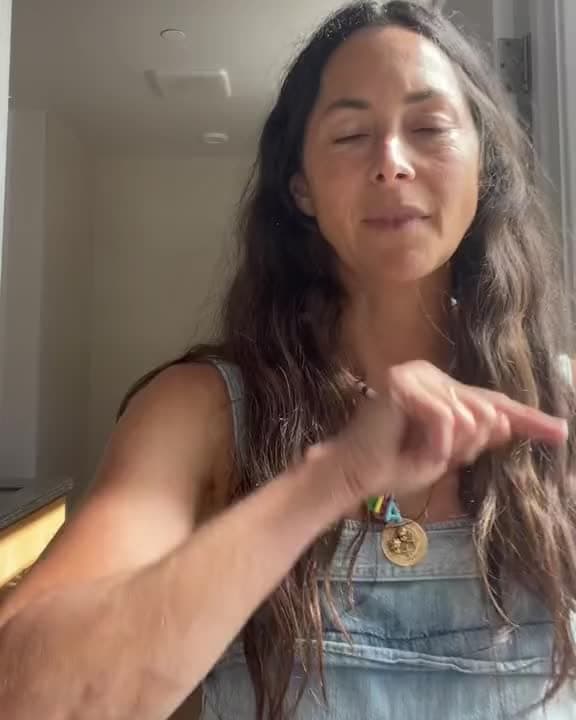
Outdoor Voices
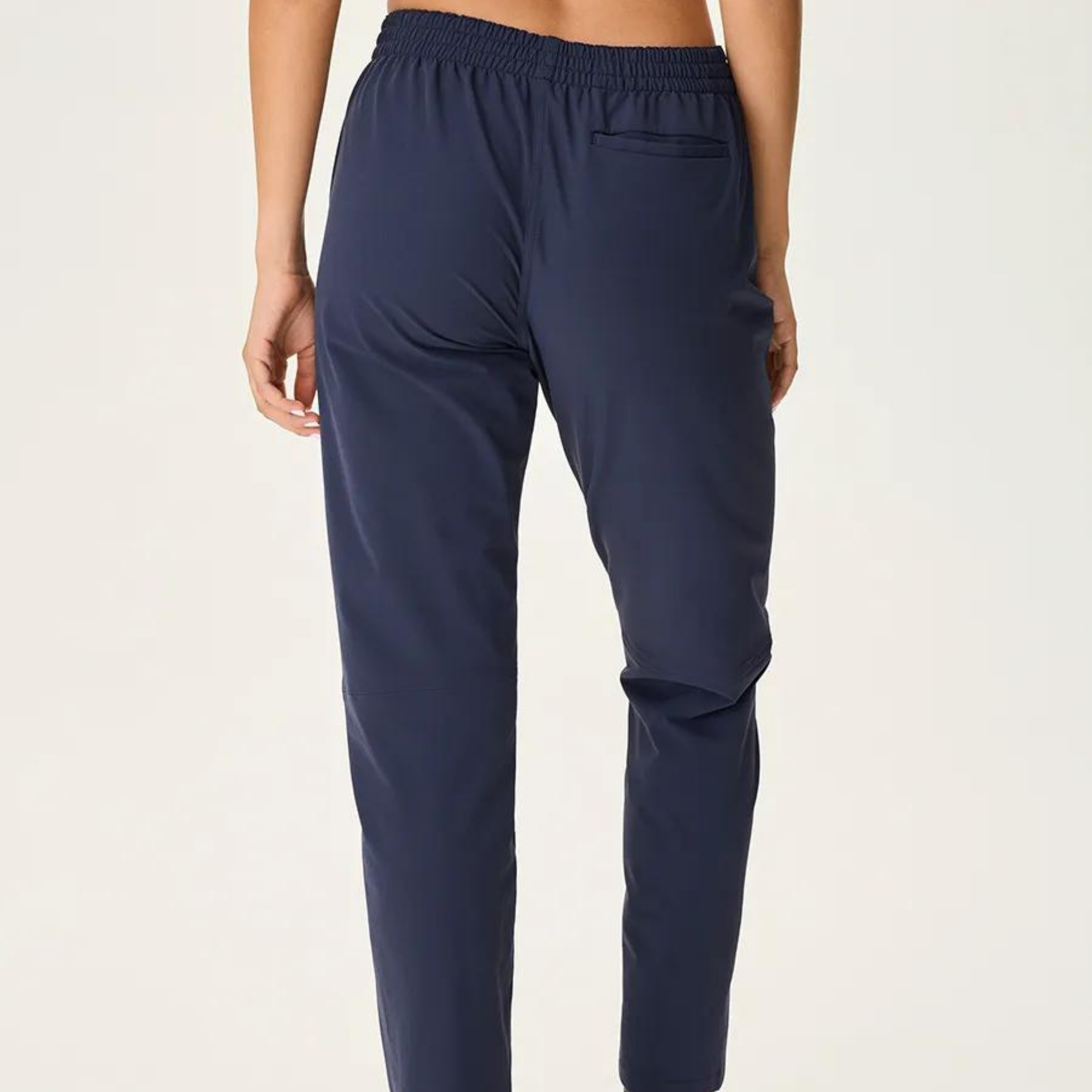
“Go anywhere, do anything”
Five words that put no limit on where you'd wear the pants. The plain photo lets the line do the work.
Number as proof hooks
Leads with a number: reviews, sell-outs, customers. A number says what the brand can't say about itself without sounding like a pitch.

Portland Leather Goods
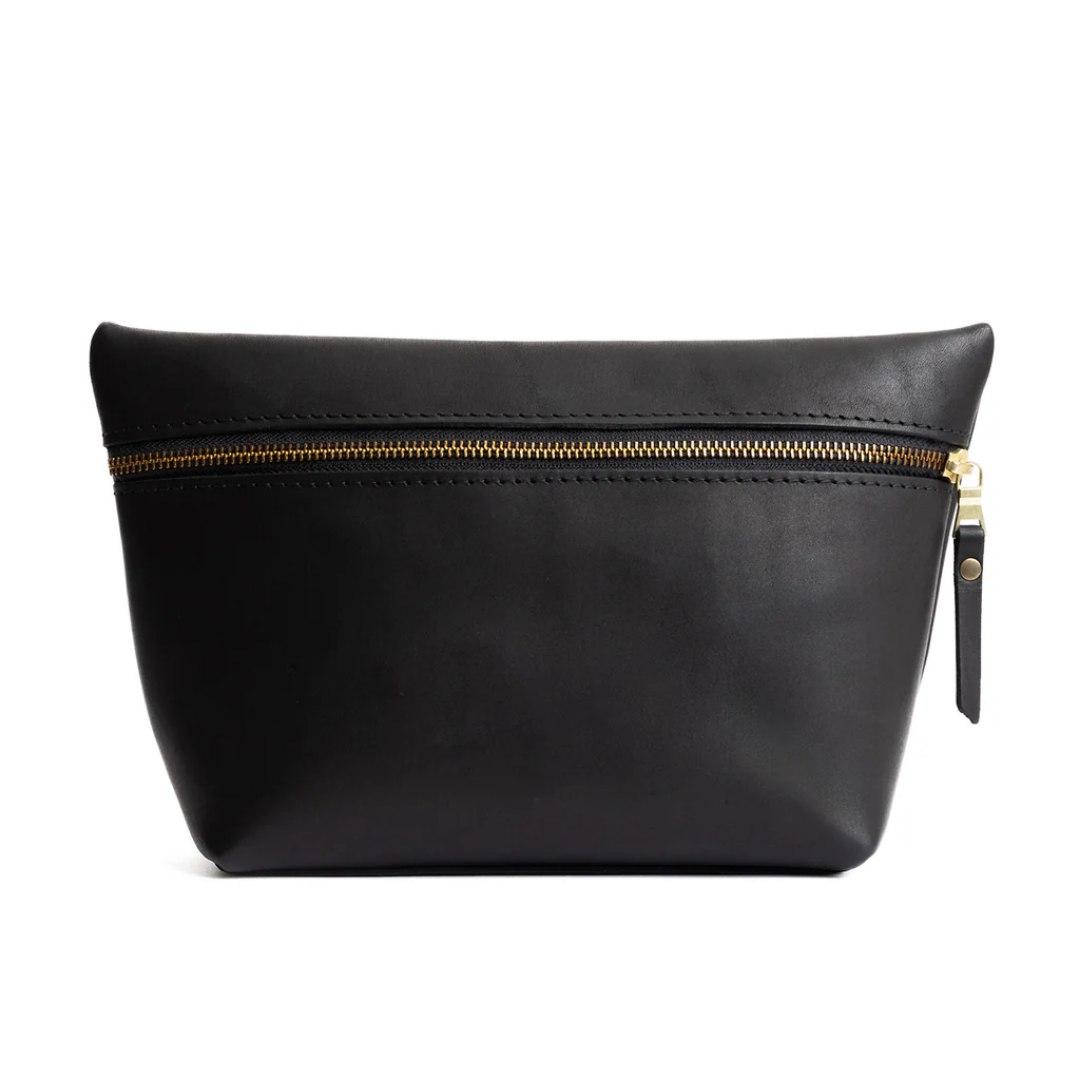
“Over 315,000+ Rave Reviews can't be wrong!”
Leads with its review count. A number that big sells the brand before the reader looks at the product.

Kinfield
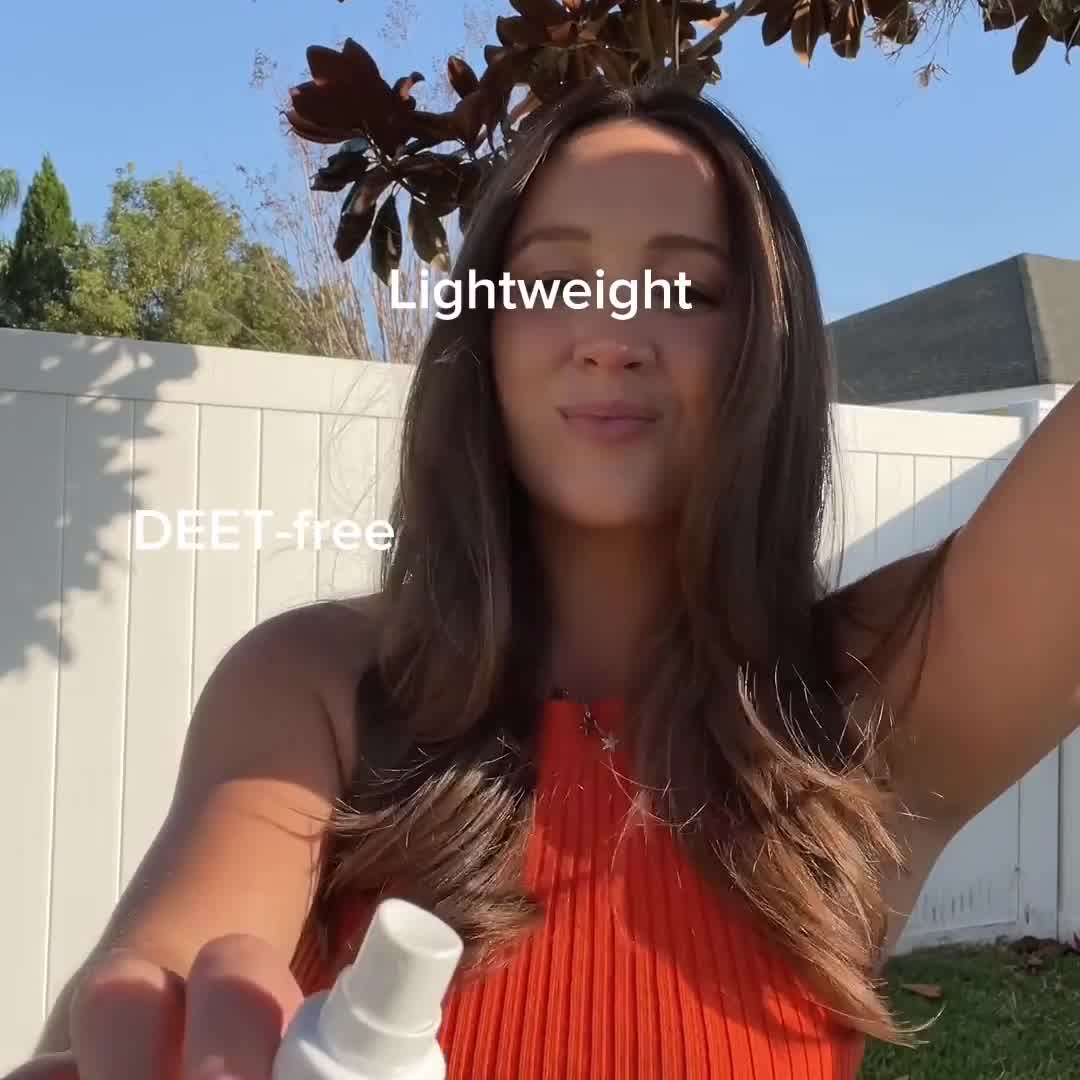
“SOLD OUT IN in 3 days last time!”
“Sold out in 3 days last time” is proof and a reason to hurry, in one line.

Stila
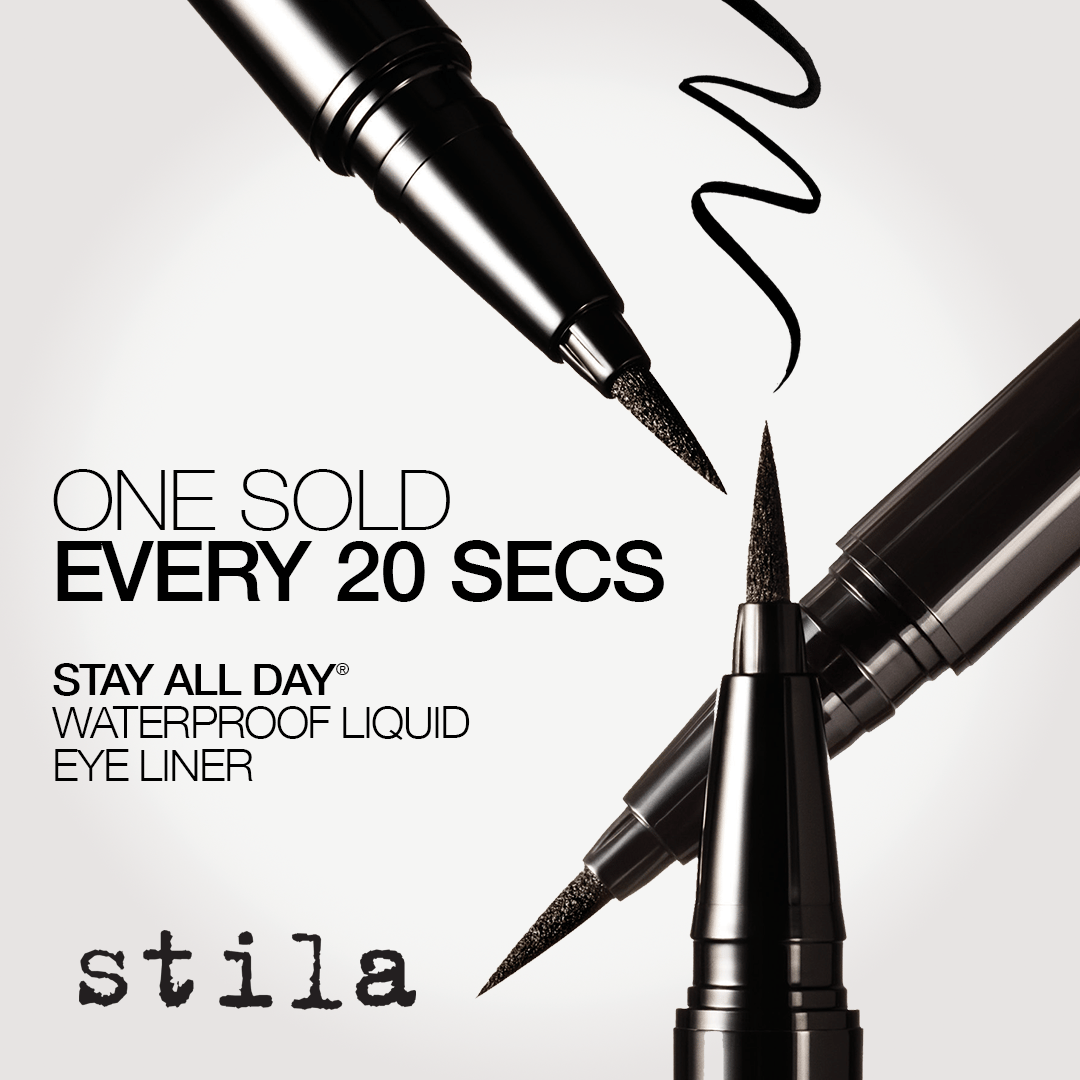
“ONE SOLD EVERY 20 SECS”
“One sold every 20 secs” sits on the picture itself, so it works even when the text is skipped.
Before and after hooks
Shows the change the product makes. Goodbye to the problem, hello to the result: the whole story fits in one line.

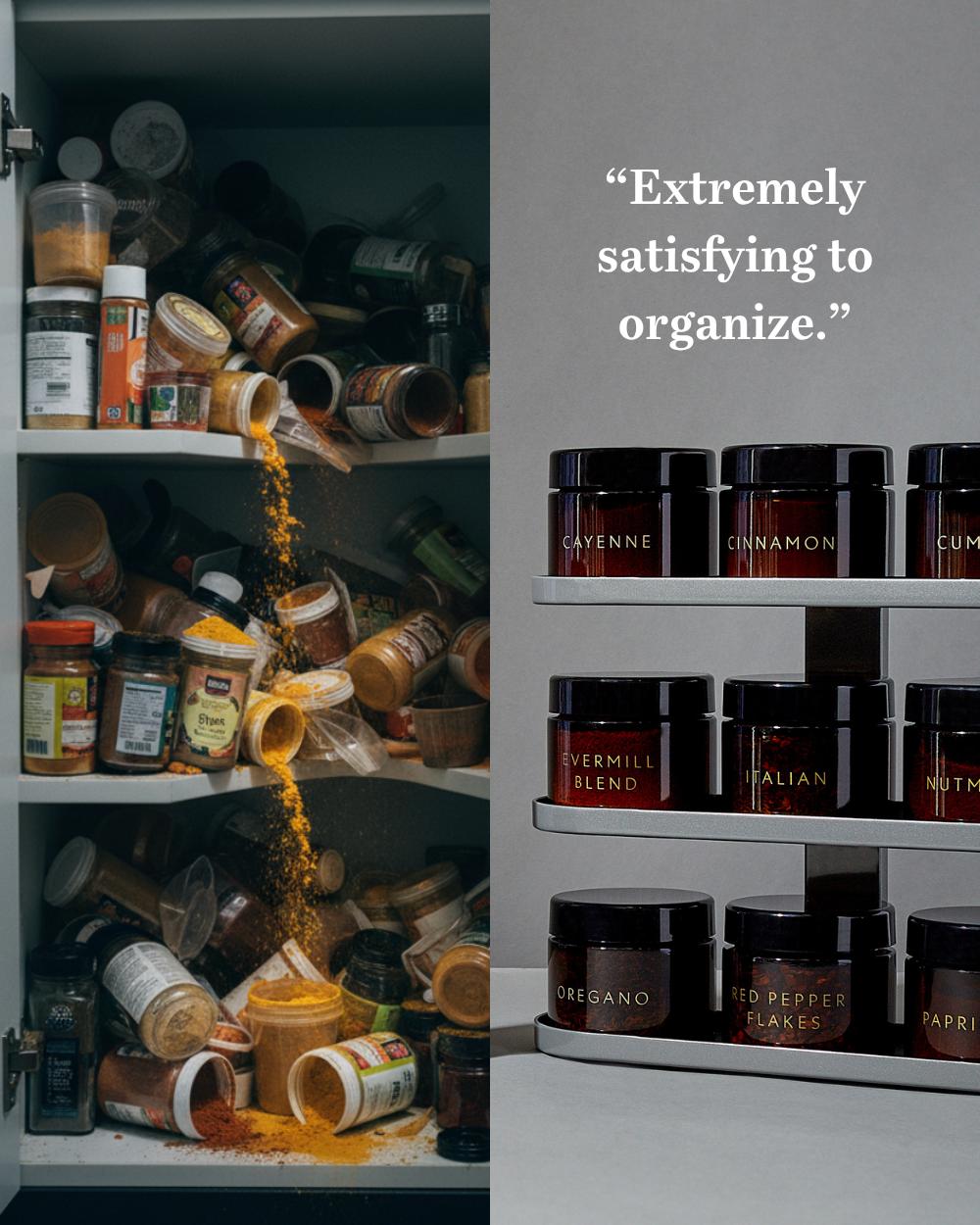
Evermill
“Goodbye messy spice drawer.”
Goodbye mess, hello order. The picture shows both: a cluttered shelf and neat matching jars.
Dr. Groot
“Get Thicker, Fuller Hair”
Photos after one week and after two weeks show the change the headline promises.

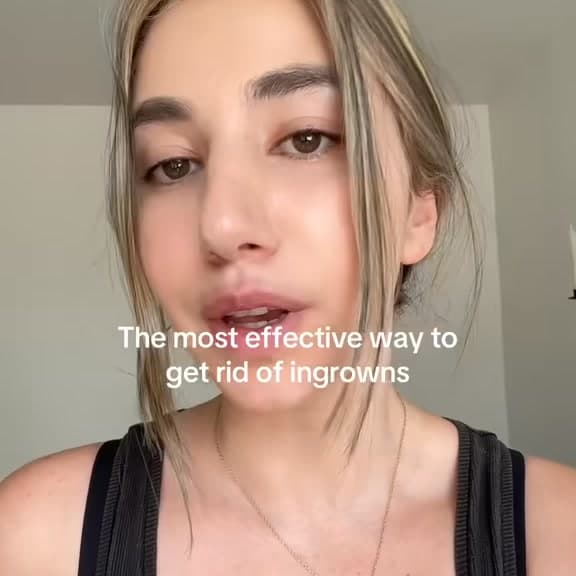
Fur
“Goodbye Ingrowns, Hello Smooth Skin”
The headline is the whole story: ingrowns before, smooth skin after. A real person explains it on camera.
Us vs. them hooks
Sets the product against what the reader buys now. If the usual choice falls short, switching is the obvious next step.

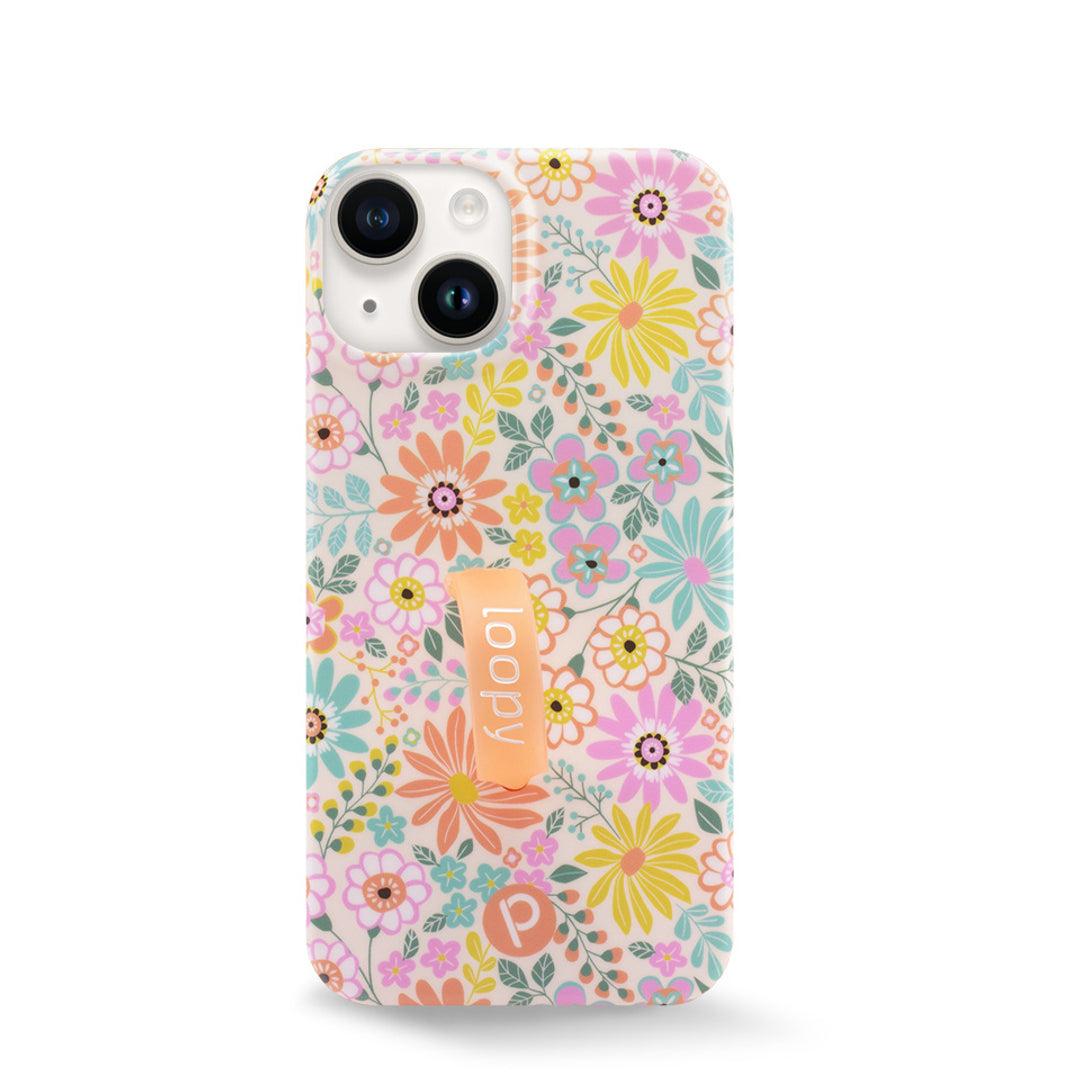
Loopy
“Everything else is just a case!”
Puts every other phone case in one bucket. The photo shows the loop on the back that sets Loopy apart.

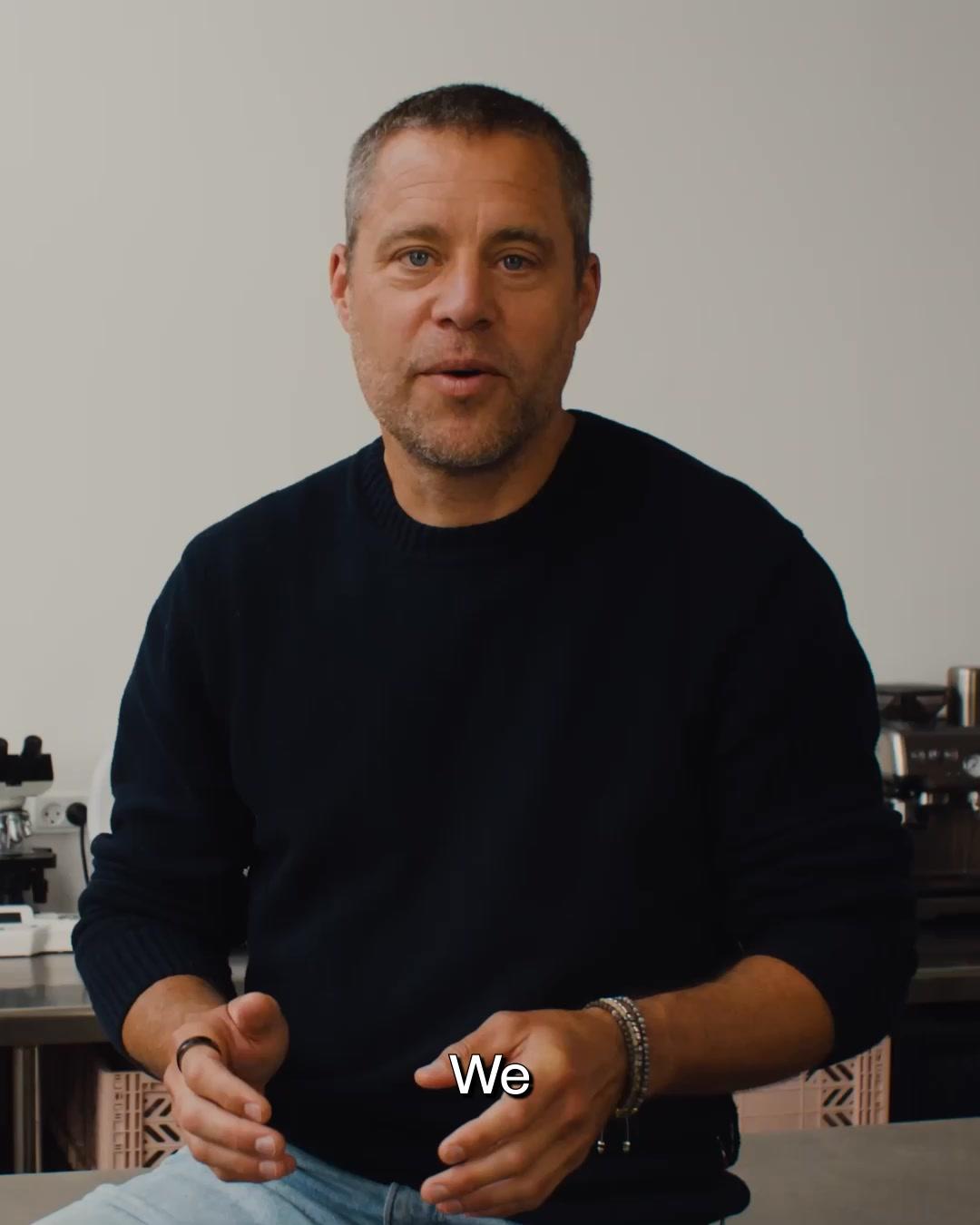
Koatji
“Not another dairy alternative. An upgrade.”
Says what it isn't before what it is. The founder makes the case himself, on camera.

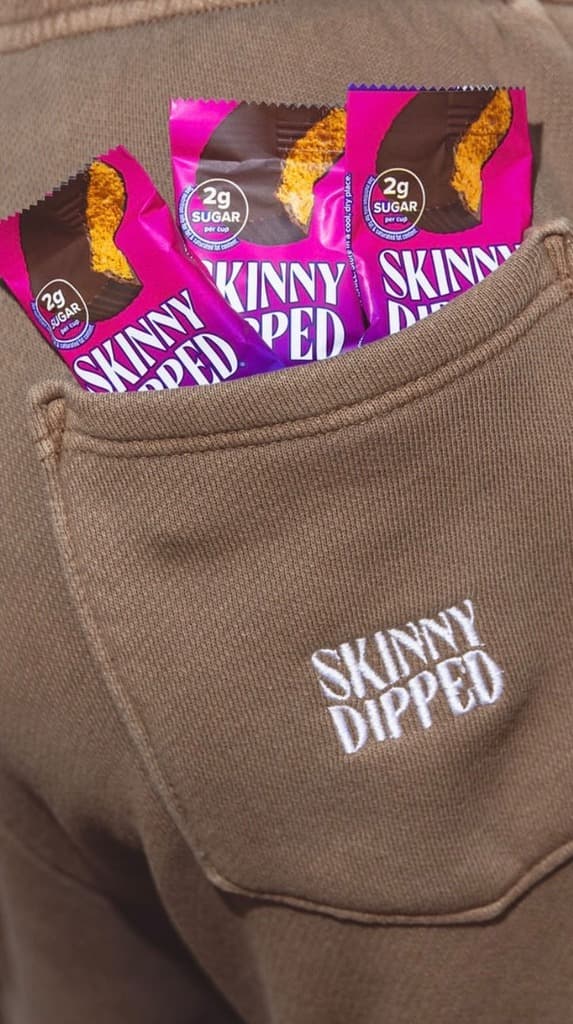
SkinnyDipped
“30% more Peanut Butter than the competition.”
One edge you can measure, 30% more peanut butter than rivals, then “That's all.”
Customer quote hooks
Opens with a customer's own words. A customer can say “the best I've ever had” and be believed.
BrüMate
“I love my BrüMate! I have tried other brands, but nothing compares.”
A buyer's words open the ad, so the claim comes from a customer, not the brand.

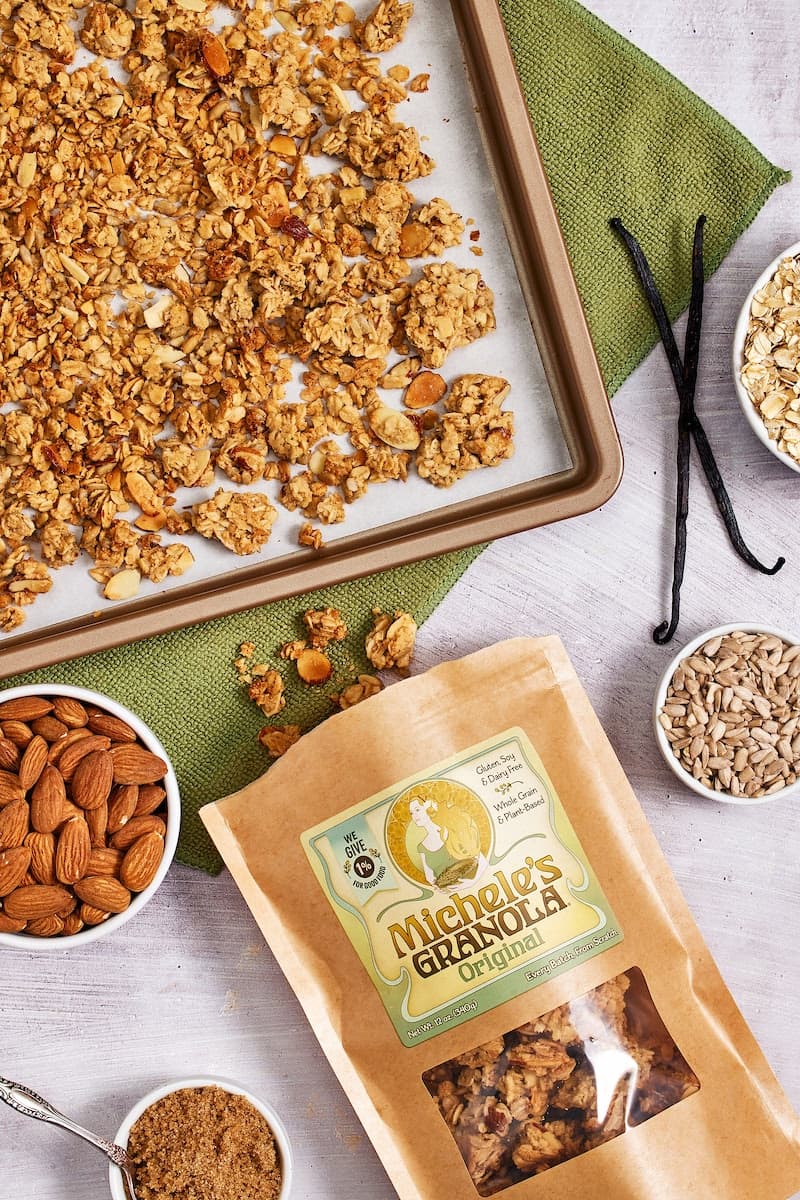
Michele's Granola
“Hands down the best granola I’ve ever put in my mouth.”
A five-star quote with a real first name. The photo shows the granola fresh off the tray.

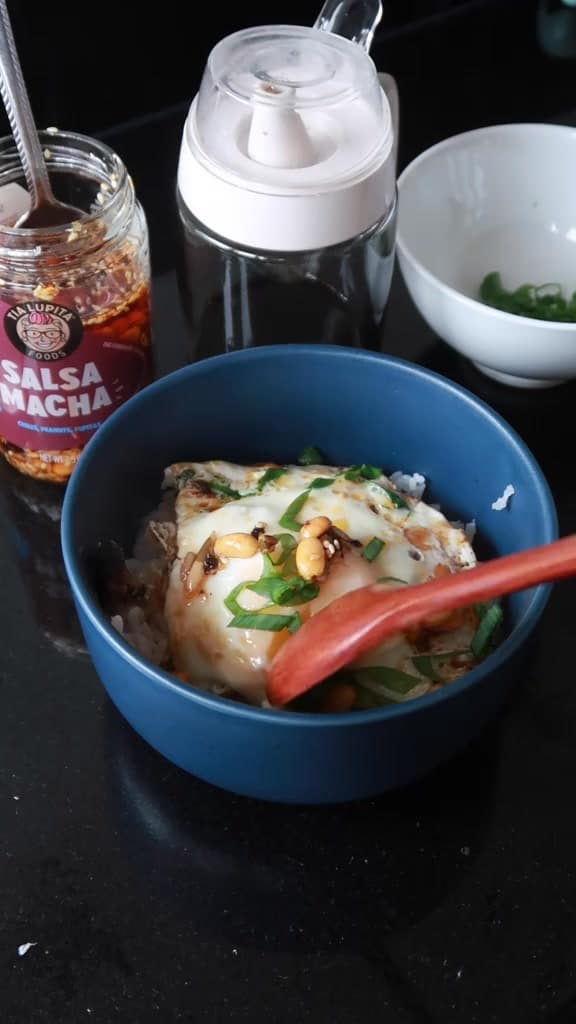
Tia Lupita
“I cannot believe I have never had this until now!”
The quote sounds like a surprised first-time buyer. The video shows the salsa on real food.
Curiosity hooks
Holds back the point so the reader keeps going. The ad gets read to the end, because the end is where the answer is.

Goshi
“the kind of clean you’ll think about later ✨”
Says the feeling without naming the product, so you look at the picture to find out what it is.

Saltair
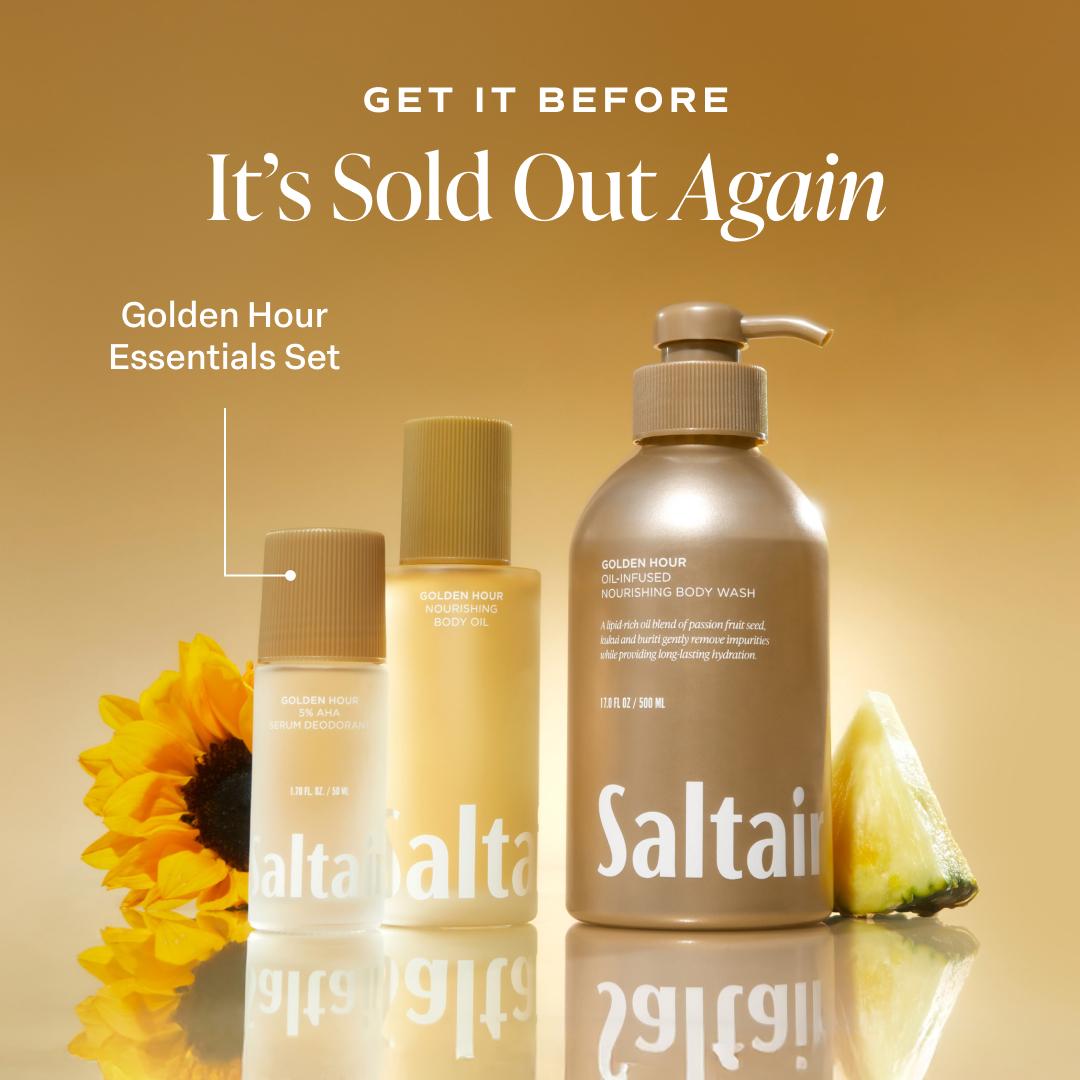
“Don't Wait Until It's Gone Again”
“Sold out again” makes you wonder what everyone is buying. The picture answers with the set.

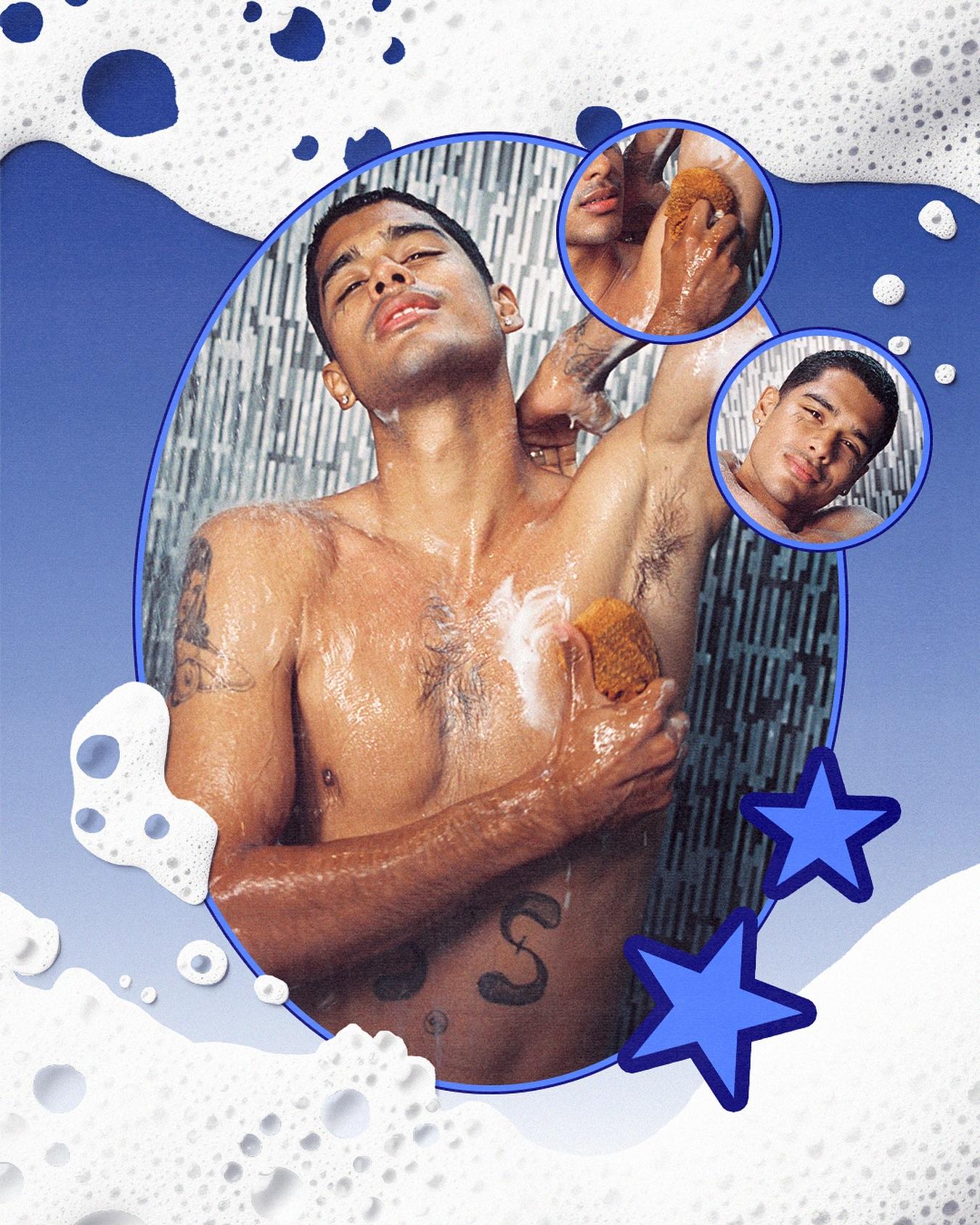
Mooncat
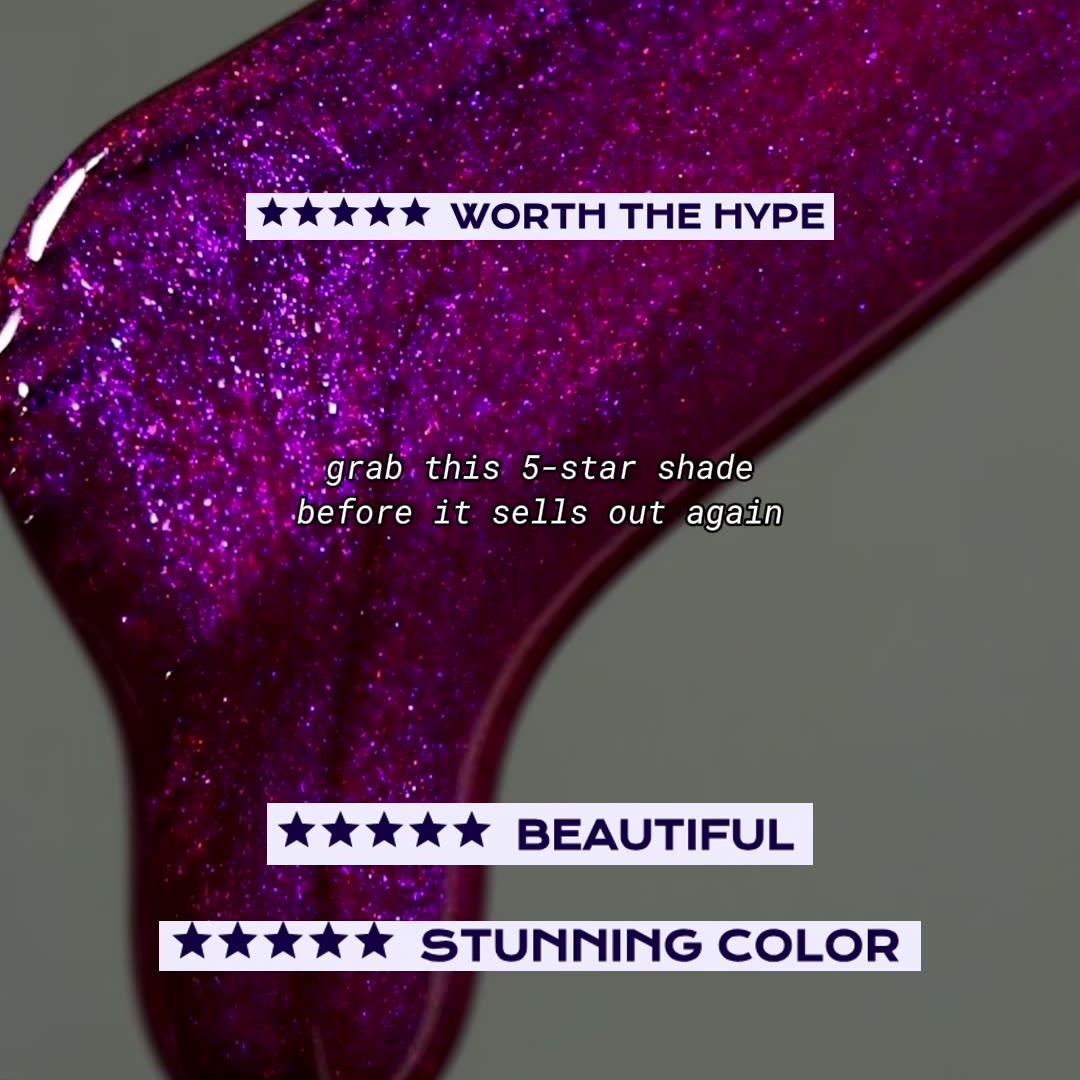
“see what the hype’s about.”
Asks you to see what the hype is about. The star ratings on the picture back the hype up.
Contrarian hooks
Says the usual way is wrong. If the usual way is wrong, the product is the obvious other choice.
Frøya Organics
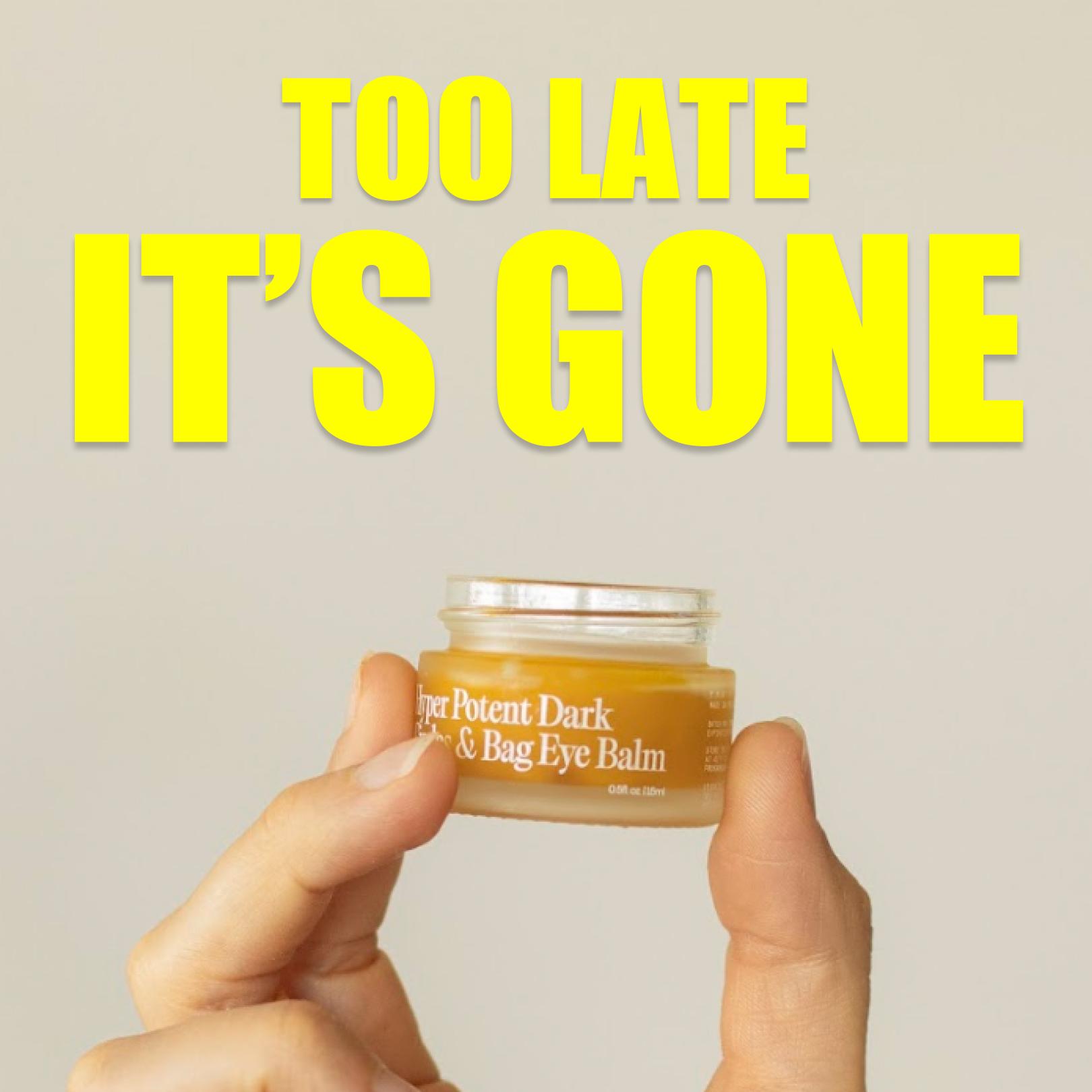
“You’re not aging badly—your skincare is just wrong.”
Blames the skincare, not the reader. “Too late, it's gone” on the picture adds a reason to hurry.

Summersalt
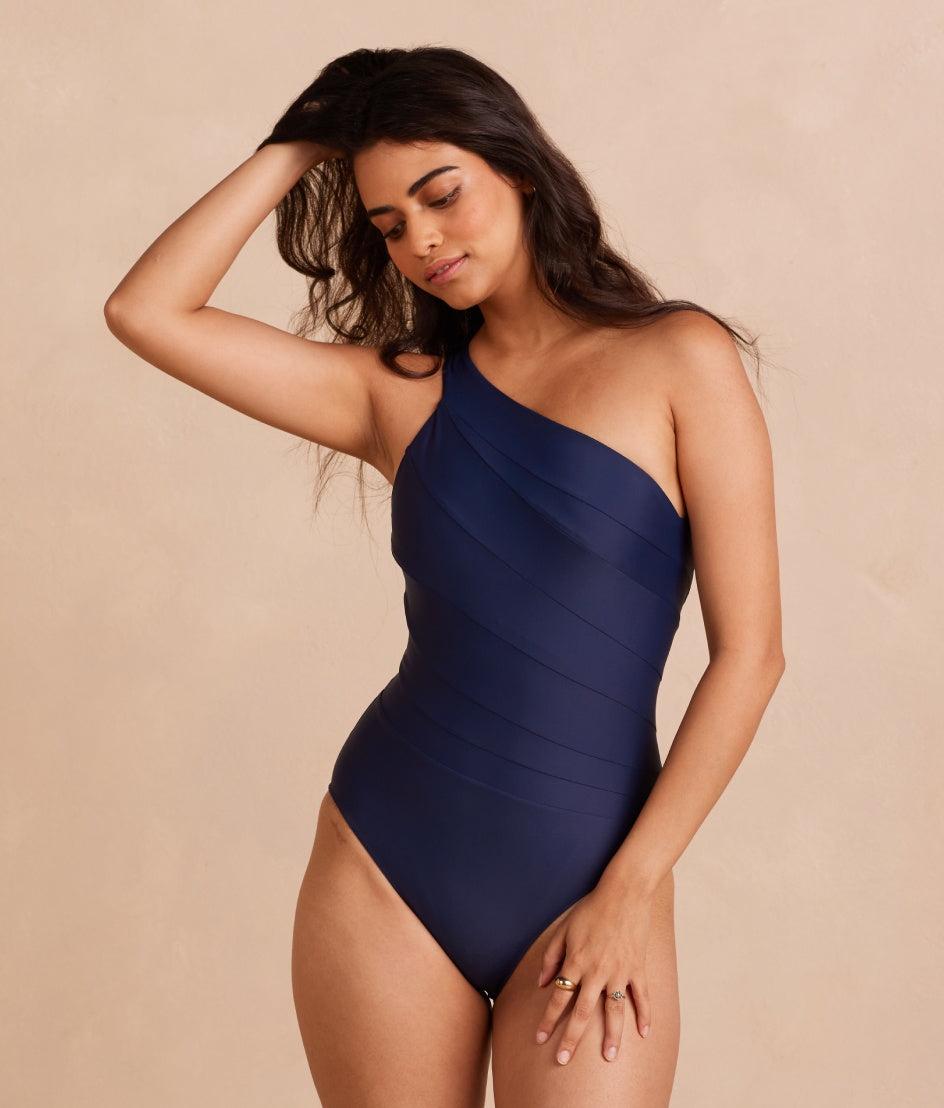
“End of summer? We don't know her.”
Pushes back on the end of summer with a joke, so a swimsuit sale in the fall makes sense.

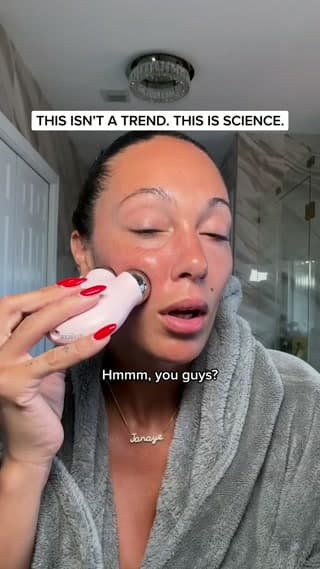
NuFace
“Nix the Quick Fix. Trust the Science.”
Rejects quick fixes and points to science. The video shows the device on a real face.
First-person story hooks
Reads like a post from a person, not a brand. It looks like the posts around it in the feed, so people read it like one.

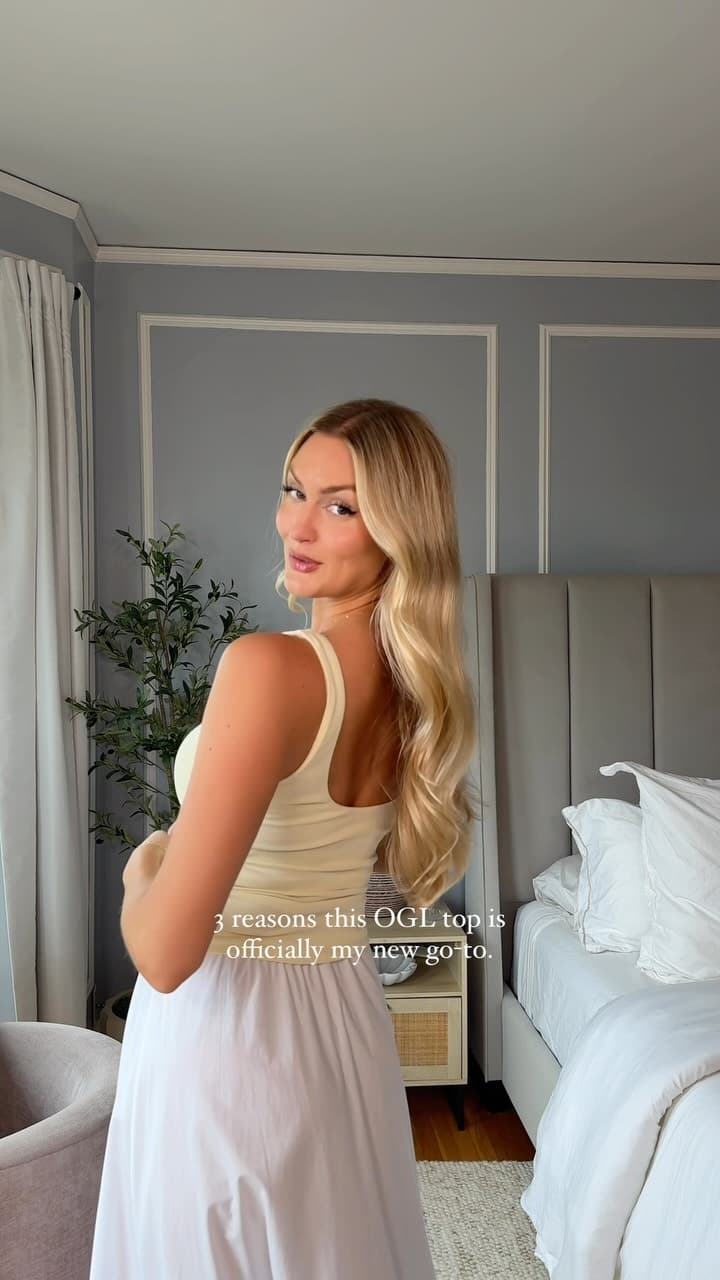
OGL
“found the perfect capsule wardrobe top (i own 3 versions of it lol)”
Reads like a friend's post: she owns three of the top. The lowercase text fits right into the feed.

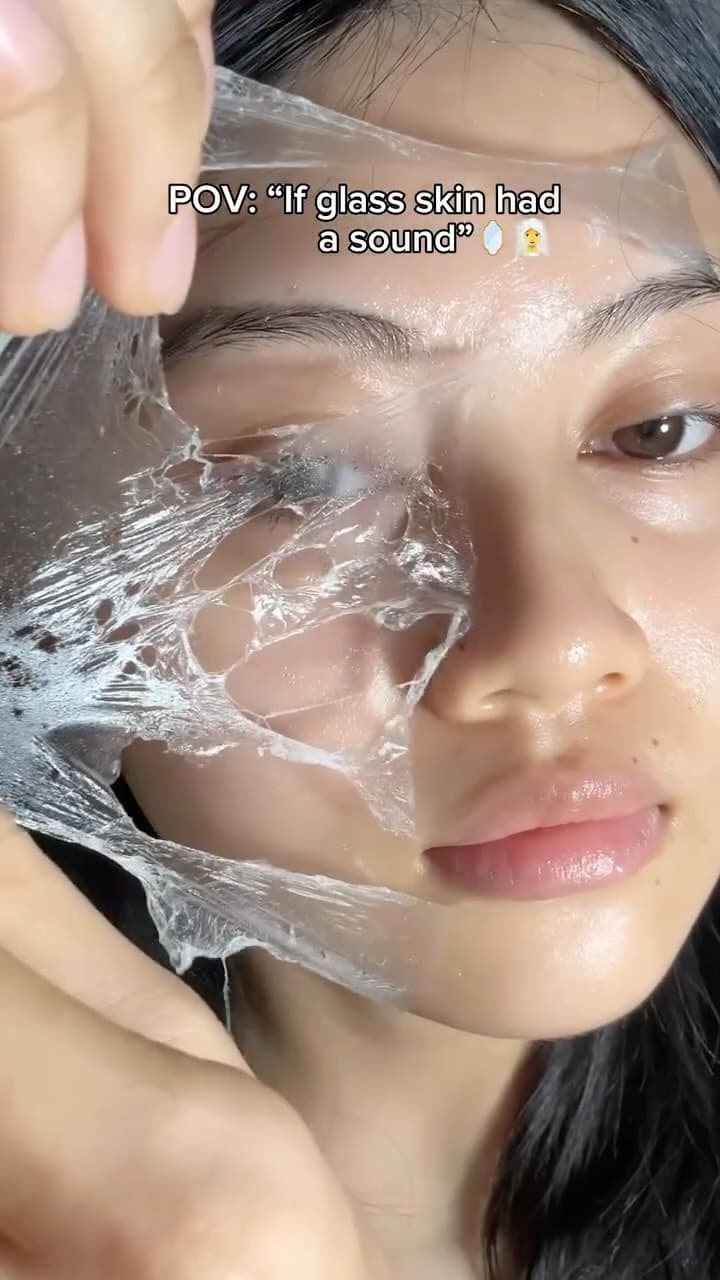
Medicube
“guess my skin is made of glass now..😮💨💥”
A short, playful line over a video of the mask peeling off. It feels like a creator, not an ad.
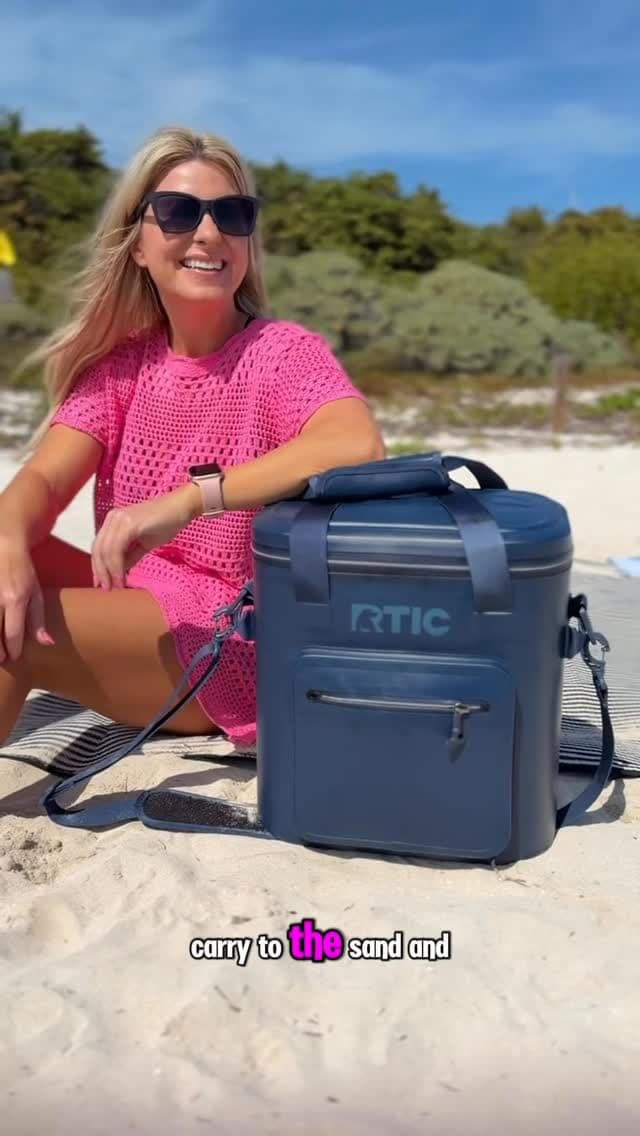
RTIC
“Packing for a family of six in the Florida Keys heat is no joke…”
A parent's real trip story. The cooler shows up as part of the family's beach day.
Offer first hooks
The deal is the first thing you read. It gets the tap fast. Pair it with a clear product so the click isn't only about price.

Bubbl'r
“Get a FREE 6-pack!”
The free 6-pack comes first, and the text says where to claim it.

Vetreska
“10% OFF Dog Gear”
The headline is the deal, 10% off, over a clean photo of a dog in the gear.

TruLabs
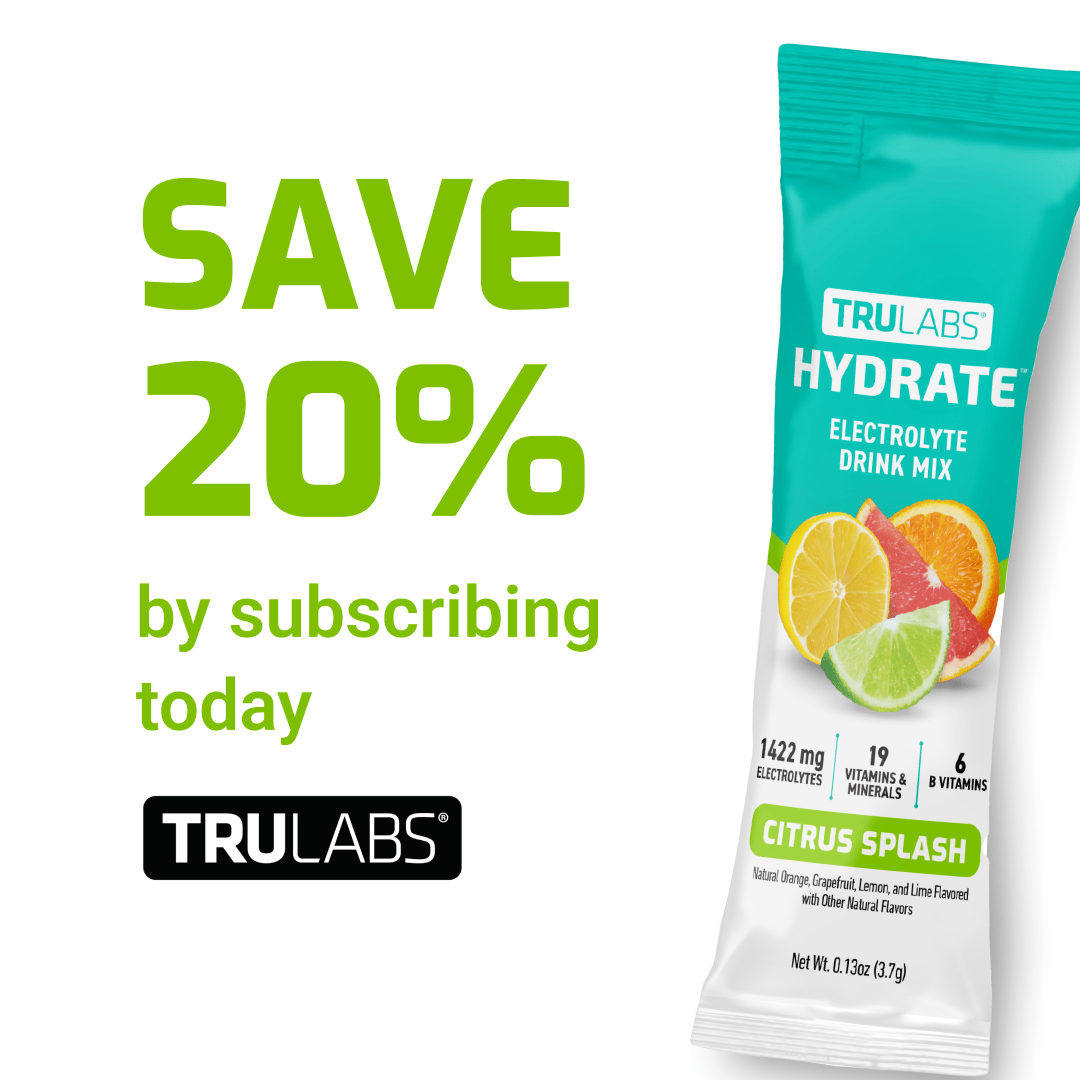
“20% Off Hydrate”
“Save 20%” is the biggest thing on the picture, tied to a subscription instead of a one-off sale.
Write your own hook in five steps
Start from what buyers already say, then let a quick test pick the line.
Step 1
Start from what buyers say
Read your reviews, support emails and comments for the reason people buy, in their words.
Step 2
Match it to a hook type
A complaint becomes a problem callout, praise becomes a customer quote, a rival becomes us vs. them.
Step 3
Keep it to one line
Most hooks on this page are under ten words. If it needs a second clause, cut one.
Step 4
Put it where it's read first
The first line of the text, the words on the picture, or the first words spoken in a video.
Step 5
Test three on one picture
Run three hooks on the same creative. Keep the one that gets the cheapest clicks and sales.
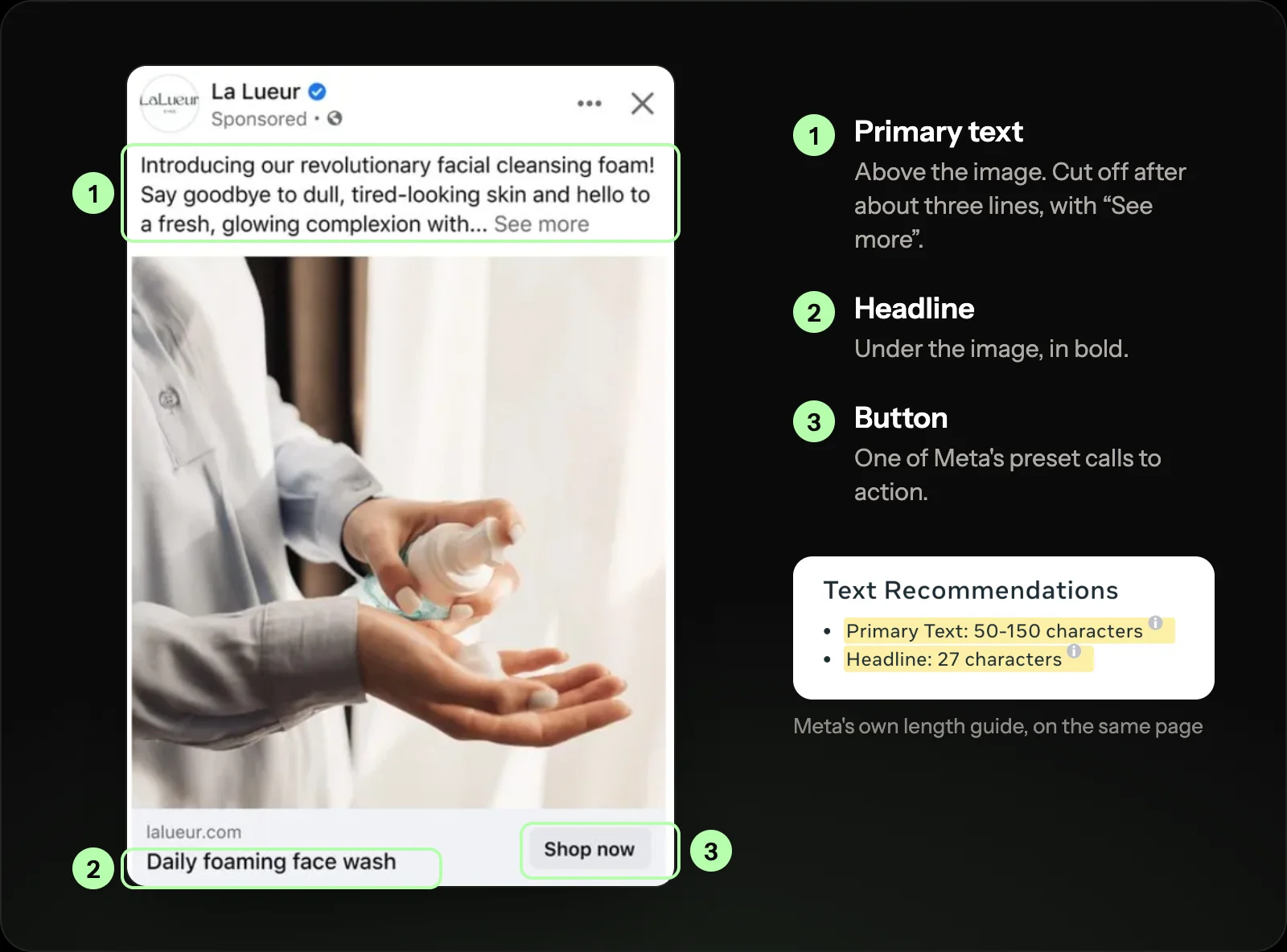
Meta's own sample ad. The hook goes in the first line of text, which shows before “See more”, or in the headline beside the button.
Find the hooks your competitors use
Replo searches live Meta ads across brands and names the hook, angle and buyer behind each one.




Replo reads four brands' live Meta ads and grades each one. Name your competitors and it reads theirs.
Ad research runs in Claude and ChatGPT through the Replo plugin today, and is in early access inside Replo.
Want the whole ad, not just the first line? See ads brands keep scaling, ad copy examples by category or Instagram Story ad examples.
Frequently asked questions
- What is a hook in an ad?
- The hook is the first thing a person reads or hears in an ad: the opening line of the text, the words on the picture, or the first words in a video. Its only job is to stop the scroll. “Tired of healthy snacks that taste like cardboard?” is a hook; the rest of the ad is the pitch.
- What are the types of ad hooks?
- The common ones are the question, audience callout, problem callout, bold claim, number as proof, before and after, us vs. them, customer quote, curiosity, contrarian line, first-person story and offer first. This page shows each one in three real ads.
- Which ad hooks work best?
- The one that fits what your buyers already say. Customer quotes and before-and-after hooks are easy to believe, problem callouts work when the pain is common, and offer-first hooks win quick clicks. Test two or three on the same picture and keep the winner.
- How long should an ad hook be?
- One line, usually under ten words. Meta shows only the first lines of an ad's text before “See more”, so the hook has to land there. In a video, say it in the first second, and put it on screen as text too.
- What's the difference between a hook and a headline?
- The headline is one field in a Facebook ad, the bold line beside the button. The hook is whatever is read first, which can be the headline, the first line of the text, the words on the picture or the opening of a video.
- How do I find my competitors' best hooks?
- Search their brand in Meta's Ad Library to see every live ad. Look for the hooks they repeat across many ads, since brands copy a creative into more ads when it sells. Replo's ad library searches every brand's live Meta ads at once and names each ad's hook.